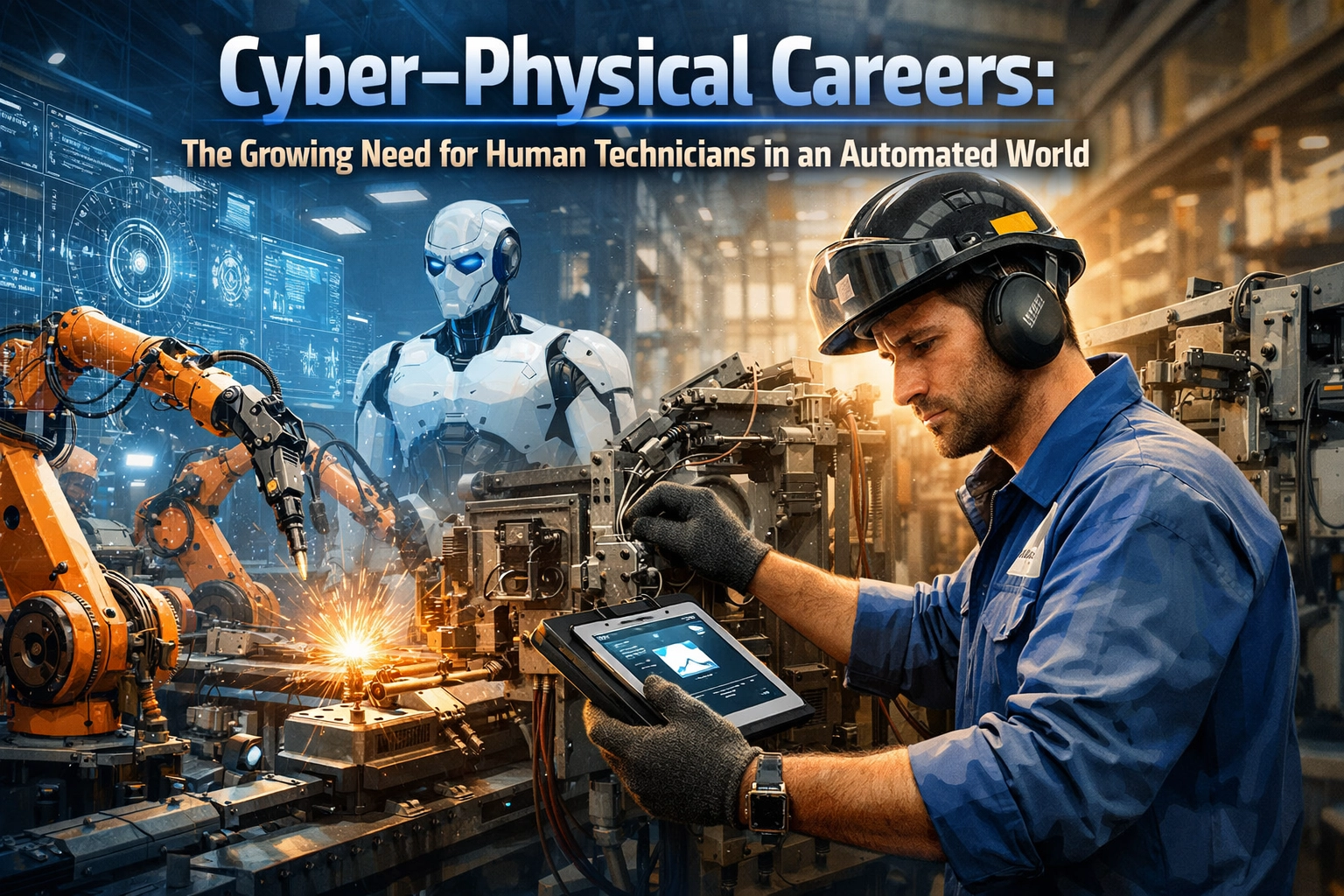
By 2026, the narrative of "robots taking all the jobs" has hit a reality check. While algorithms handle the data and robotic arms handle the repetition, a massive gap has opened in the middle: the Cyber-Physical System (CPS) technician. These are the professionals who bridge the gap between abstract code and physical hardware. As we move deeper into a world of smart factories, autonomous logistics, and decentralized energy grids, the "human in the loop" isn't just a safety feature: it’s the backbone of the global economy.
The Rise of the "Bridge" Professional
In the early 2020s, the focus was almost entirely on software. Everyone wanted to be a full-stack developer or a data scientist. But as we’ve integrated AI into physical infrastructure: think autonomous delivery drones, AI-managed vertical farms, and self-healing power grids: we’ve realized that software can’t turn a wrench or troubleshoot a fried sensor in a high-voltage environment.
Cyber-physical systems are integrations of computation, networking, and physical processes. When a generative AI model controlling a manufacturing plant's output encounters a mechanical vibration it doesn't recognize, it doesn't just "fix" it. It needs a human technician who understands the Python scripts running the logic and the heat tolerances of the titanium alloys in the machinery.
Why the Demand is Exploding in 2026
The surge in CPS roles is driven by three main factors:
- The High Cost of Downtime: In a fully automated fulfillment center, five minutes of downtime can cost upwards of $500,000 in lost throughput. Companies are no longer willing to wait for a remote software patch. They need on-site experts who can diagnose if the failure is a logic error or a hardware fatigue issue.
- Legacy System Integration: Most of the world’s infrastructure wasn't built for 2026. We are currently "bolting on" AI and IoT sensors to 30-year-old bridges, power plants, and water systems. This creates a messy, complex environment where "off-the-shelf" solutions don't exist.
- The Sovereignty Movement: As businesses move toward "sovereign clouds" and localized automation (to avoid massive data breaches or regional outages), they need local talent to manage these isolated "islands" of automation.
High-Earning Roles in the CPS Sector
The financial landscape for these roles has shifted dramatically. According to recent 2026 industry data, specialized CPS engineers are commanding salaries between $114,000 and $285,000, depending on their niche.
1. Industrial IoT (IIoT) Architect
These professionals design the nervous system of a facility. They decide which sensors to use, how they communicate (Edge vs. Cloud), and how to secure those data streams from physical and digital tampering.
- Key Tech: MQTT protocols, 6G private networks, and hardware security modules (HSMs).
2. Robotics Field Diagnostics Specialist
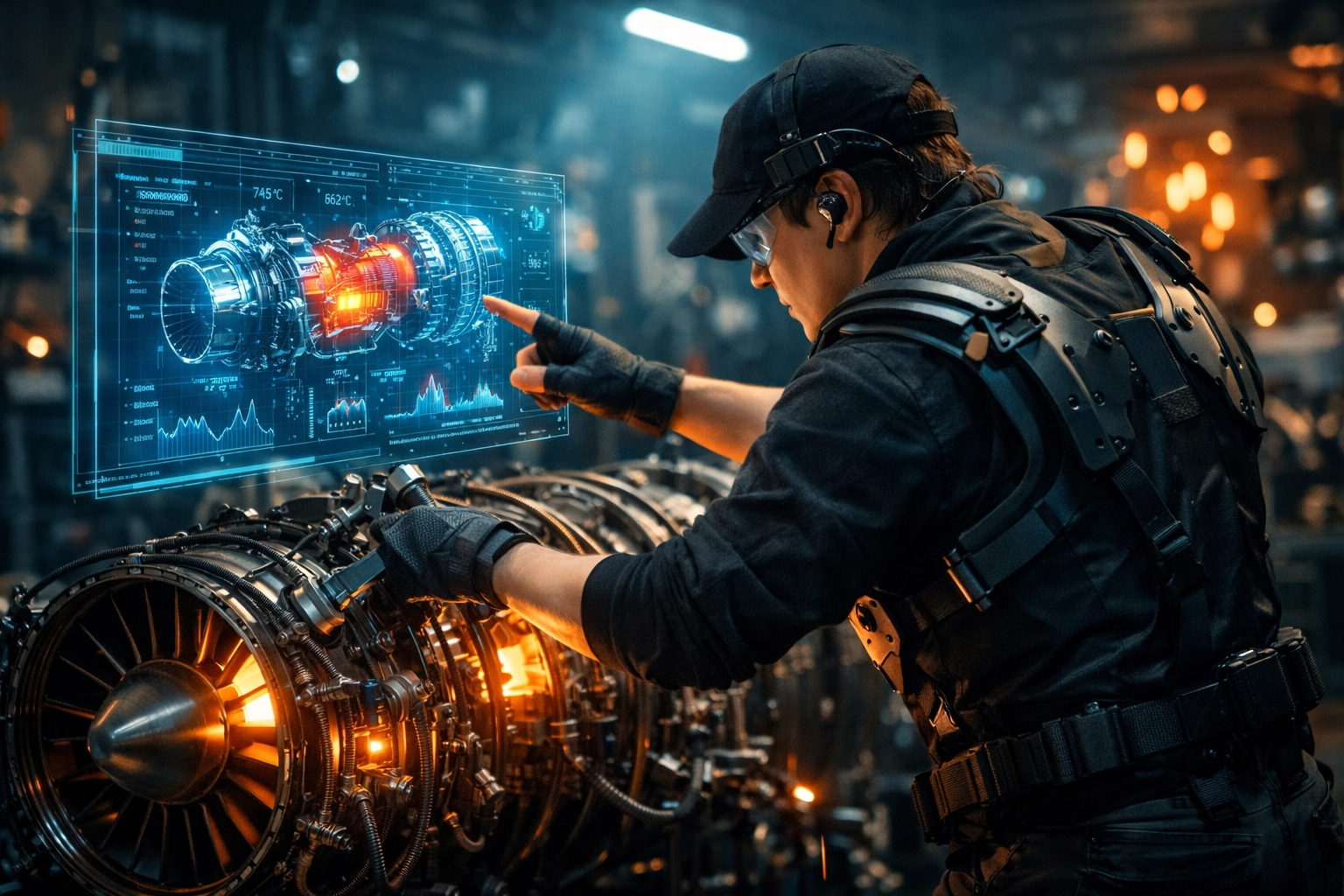
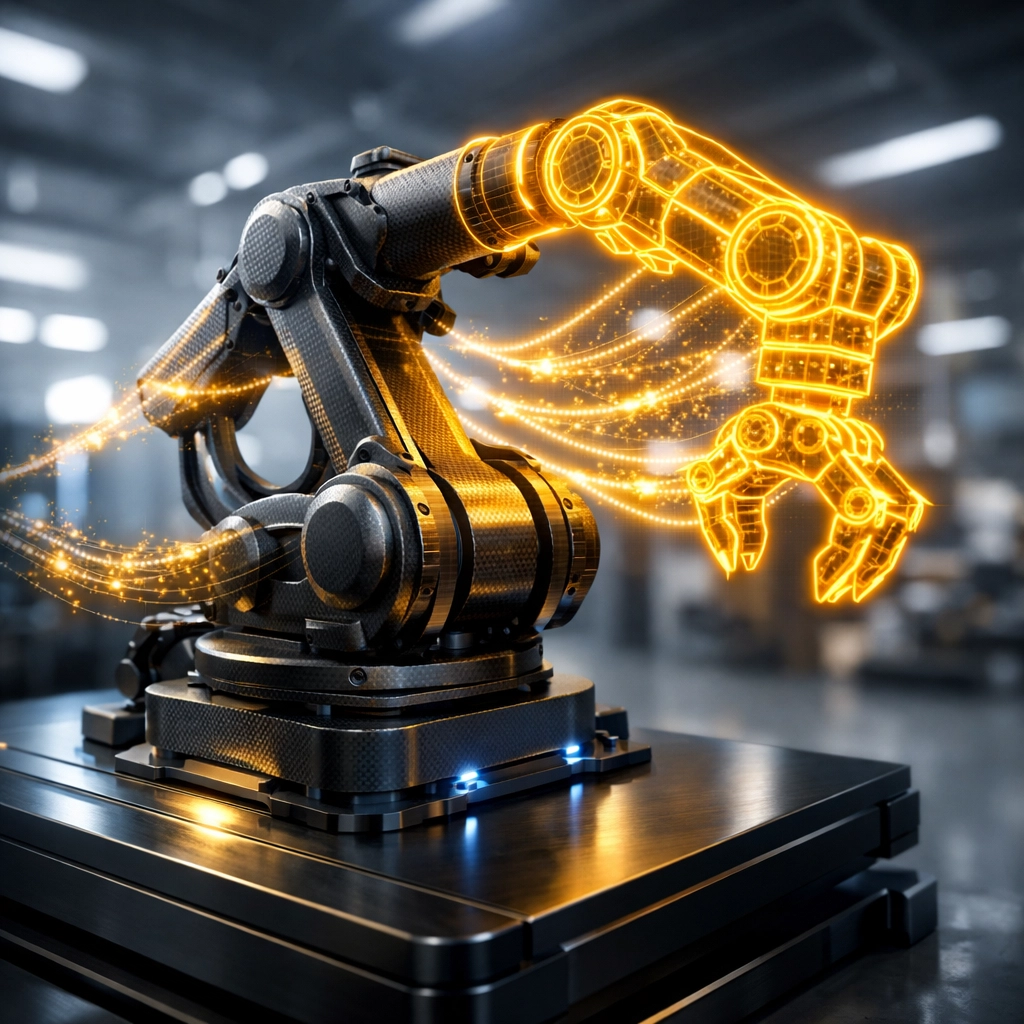
This isn't your traditional repairman. A diagnostics specialist uses digital twins: virtual replicas of physical machines: to predict when a robot will fail before it actually does. If the "twin" shows a discrepancy with the real-world machine, the specialist intervenes.
- Key Tech: Digital Twin software (NVIDIA Omniverse), ROS 2 (Robot Operating System), and predictive maintenance algorithms.
3. Autonomous Infrastructure Technician
This role focuses on the "smart city" aspect. When a fleet of autonomous shuttles or a smart traffic grid malfunctions, these technicians are the first responders. They combine civil engineering knowledge with real-time data analysis.
The 2026 Skill Stack: What You Need to Know
If you’re looking to transition into a cyber-physical career, the traditional siloed approach to education is dead. You cannot just be a "hardware guy" or a "software girl." The market demands a hybrid.
- Proficiency in Embedded Languages: C and C++ remain the kings of the physical world because they allow for low-level memory management. However, Python has become the standard for the AI layers that sit on top of the hardware.
- Machine Learning at the Edge: Understanding how to deploy "tinyML" (Machine Learning on microcontrollers) is a high-value skill. Being able to optimize a model to run on a sensor with limited battery life is a massive competitive advantage.
- Cybersecurity for Hardware: In 2026, "hacking" isn't just about stealing passwords; it’s about overriding the safety protocols of an industrial lathe or a medical robot. Knowledge of hardware-level encryption and secure boot processes is non-negotiable.
- Soft Skills as Hard Skills: Because these roles require explaining complex technical failures to non-technical stakeholders (CEOs, insurance adjusters, or city officials), communication is often the deciding factor in high-level hiring.
Data-Driven Insights: The ROI of CPS Certifications
While a Master’s degree in Electrical Engineering or Robotics is still highly valued, the market in 2026 is moving toward "skill-based hiring." Short-term, high-intensity certifications are often providing a faster return on investment.
Data shows that professionals with a Certified Cyber-Physical Systems Professional (CCPSP) designation see an average salary bump of 22% within the first year. Similarly, expertise in Digital Twin Synchronization is currently one of the most underserved niches in the job market, leading to aggressive "headhunting" by Fortune 500 companies.
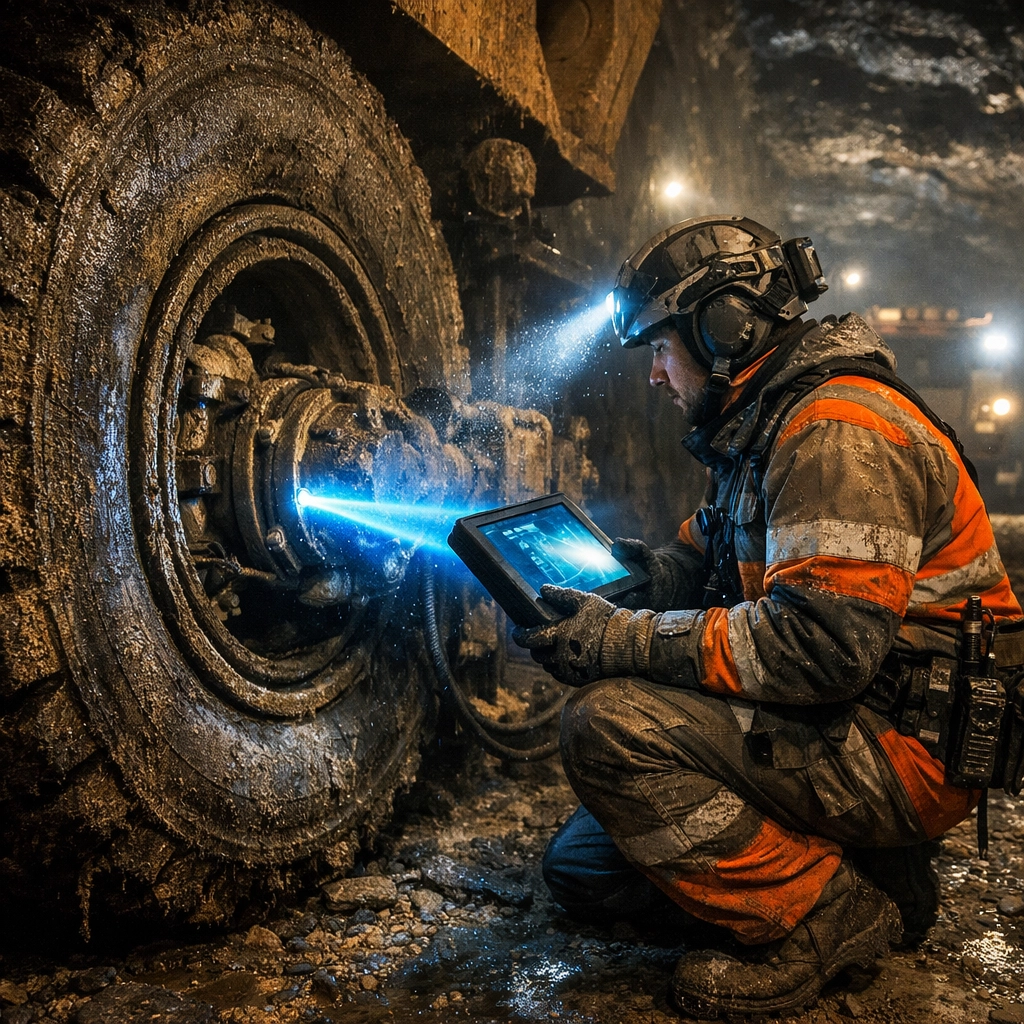
Real-World Example: The "Smart" Mine
Consider the modern mining operation in 2026. It’s almost entirely automated. Subterranean drills are operated by AI, and ore is transported by autonomous trucks. However, the environment is chaotic. Dust clogs sensors, heat degrades circuits, and seismic shifts break fiber optic cables.
A "traditional" IT worker can’t help here: they don't know how to navigate a mine or handle industrial-grade hardware. A "traditional" miner can't help either: they don't know how to debug the LIDAR system on a $5 million truck. The CPS Technician is the hero of this story. They are the ones who can recalibrate a laser sensor in a dark tunnel while simultaneously rewriting a snippet of code to bypass a faulty network node.
The "Human Advantage" in an Automated World
The reason AI hasn't replaced these technicians is simple: unstructured environments.
AI is brilliant in a controlled environment like a data center. But the physical world is messy, unpredictable, and governed by the laws of physics that don't always play nice with software logic. Human intuition: the ability to look at a machine, hear a specific "click," and realize that a bearing is about to fail despite what the sensors say: remains our greatest asset.
In 2026, we are seeing a shift in how we view "manual labor." It has become "technical labor." The grease under the fingernails is now accompanied by a tablet running real-time telemetry.
Future-Proofing Your Career
If you want to stay relevant in the next decade, look to where the digital meets the physical. Don't just learn to code; learn what that code does to a motor, a valve, or a sensor. The most secure jobs of the future won't be found behind a desk in a virtual metaverse, but on the factory floor, in the power plant, and on the streets of our smart cities.
The automation revolution isn't a replacement of humans; it’s a massive upgrade of the human role. We are moving from being the "muscle" to being the "brain and the nervous system" of the global machine.
About the Author: Malibongwe Gcwabaza
Malibongwe Gcwabaza is the CEO of blog and youtube and a leading voice in the "Human-Centric Automation" movement. With over 15 years of experience in industrial tech and digital transformation, Malibongwe focuses on how emerging technologies can be leveraged to create more meaningful, high-value careers rather than just replacing workers. When he isn't analyzing 2026 market trends, he’s an advocate for micro-learning and decentralized education platforms.
About the Author