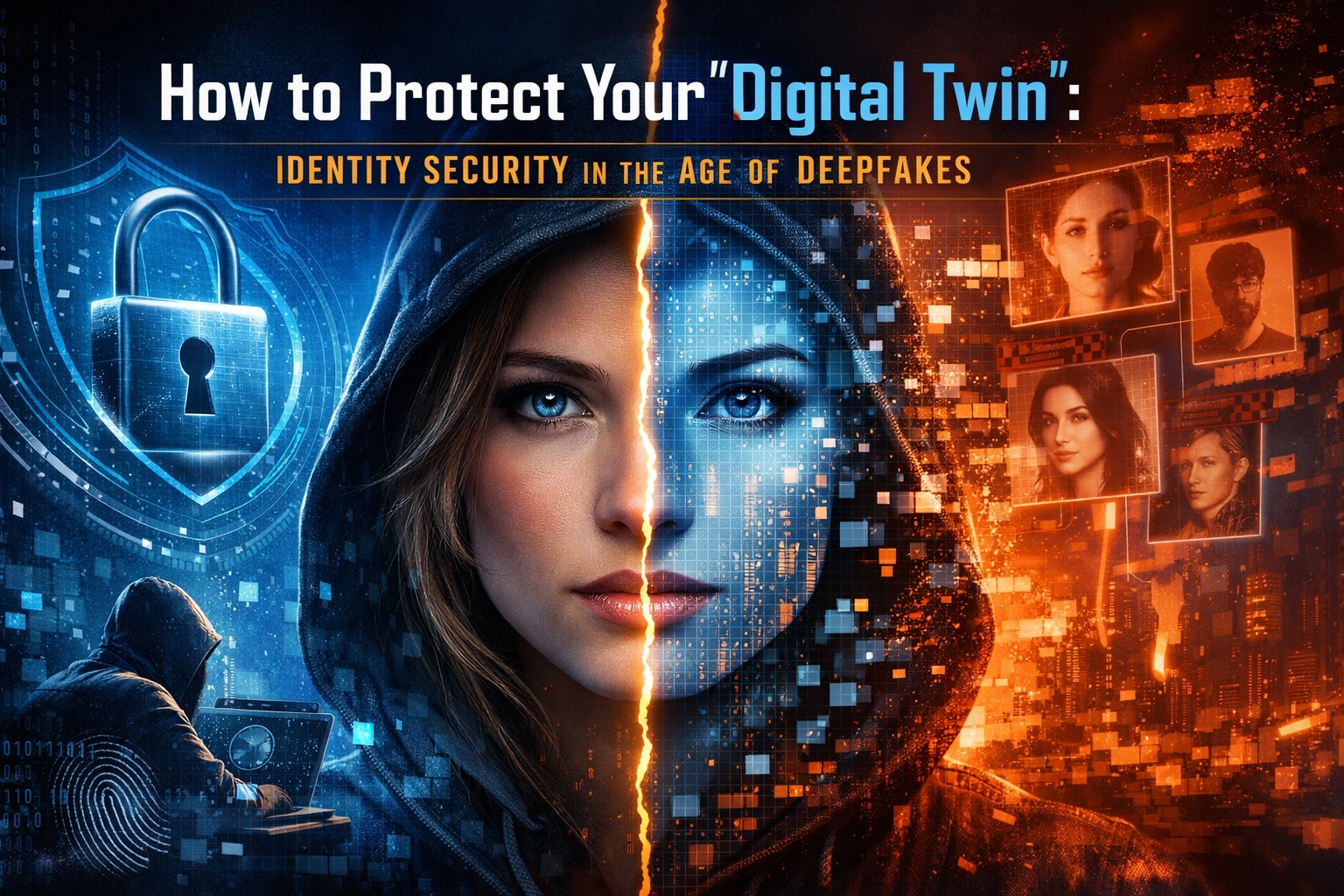
By 2026, the concept of a "Digital Twin" has moved from industrial manufacturing into our personal lives. It is no longer just a virtual model of a jet engine or a smart city; your digital twin is a high-fidelity collection of your biometric data, voice patterns, writing style, and social behaviors. In the wrong hands, this data allows for the creation of "synthetic identities" so convincing they can bypass traditional security protocols, fool your family members, and even commit high-level corporate fraud.
As we navigate this landscape, the line between "you" and "the synthetic version of you" is blurring. Protecting your identity in 2026 requires a shift from static security (passwords and SMS codes) to dynamic, bio-sovereign protection.
The Anatomy of a Personal Digital Twin
To protect your digital twin, you first have to understand what it's made of. In 2026, hackers aren't just looking for your credit card number; they are scraping "behavioral exhaust." This includes:
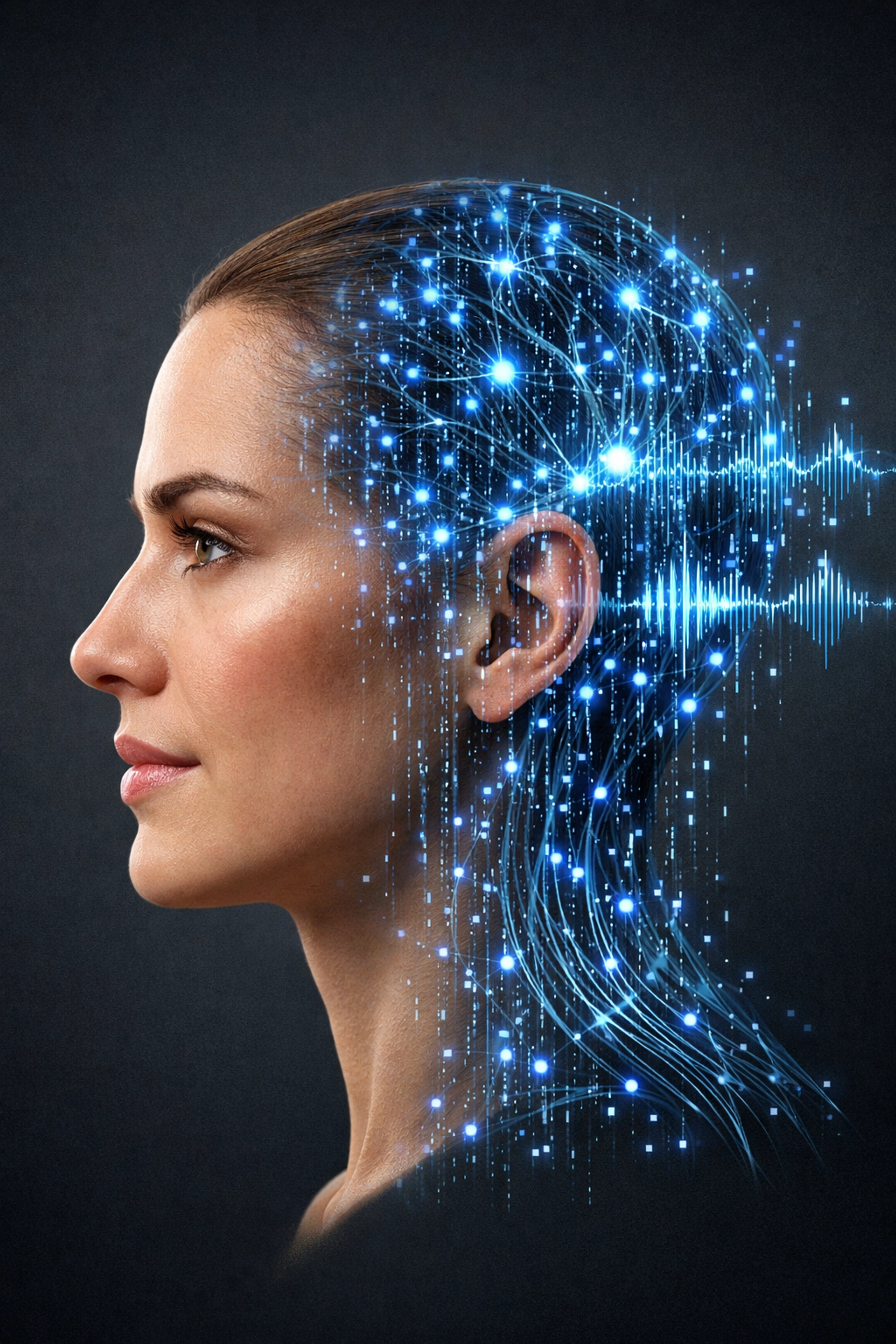
- Voice Prints: Every time you send a voice note or speak during a recorded Zoom call, you provide training data for Generative Adversarial Networks (GANs).
- Facial Geometry: High-resolution social media photos provide the depth maps needed for real-time video "face-swapping."
- Linguistic DNA: The way you structure sentences, your specific slang, and even your typos create a unique "textual fingerprint" that AI can mimic to send convincing phishing emails.
- Biometric Templates: Fingerprint and iris data, often stored (sometimes insecurely) by third-party apps and government databases.
When these elements are combined, an attacker creates a "Shadow Twin": a synthetic version of you that can interact with the world in real-time.
The Rise of "Deepfake-as-a-Service" (DaaS)
We’ve moved past the era where creating a deepfake required a high-end GPU and a PhD in computer science. In 2026, "Deepfake-as-a-Service" platforms on the dark web allow low-skill attackers to generate real-time video and audio clones for as little as $50.
These services are primarily targeting:
- Executive Impersonation: Known as "CEO Fraud 2.0," where a deepfaked voice of a CEO calls a junior accountant to authorize an emergency wire transfer.
- Account Takeover (ATO): Using synthetic video to bypass "Know Your Customer" (KYC) checks at digital banks.
- Social Engineering: Scammers calling elderly parents using a cloned voice of their child claiming to be in an emergency.
According to 2025 cybersecurity reports, identity fraud involving synthetic media rose by over 400% in a single year. The financial stakes are massive, making "Identity Security" one of the highest-value sectors in the tech economy.
Technical Shields: How to Secure Your Persona
Protecting your digital twin isn't about hiding from the internet; it's about implementing "Zero Trust" for your own identity. Here are the technical frameworks being deployed in 2026 to combat synthetic fraud.
1. Multi-Modal Liveness Detection
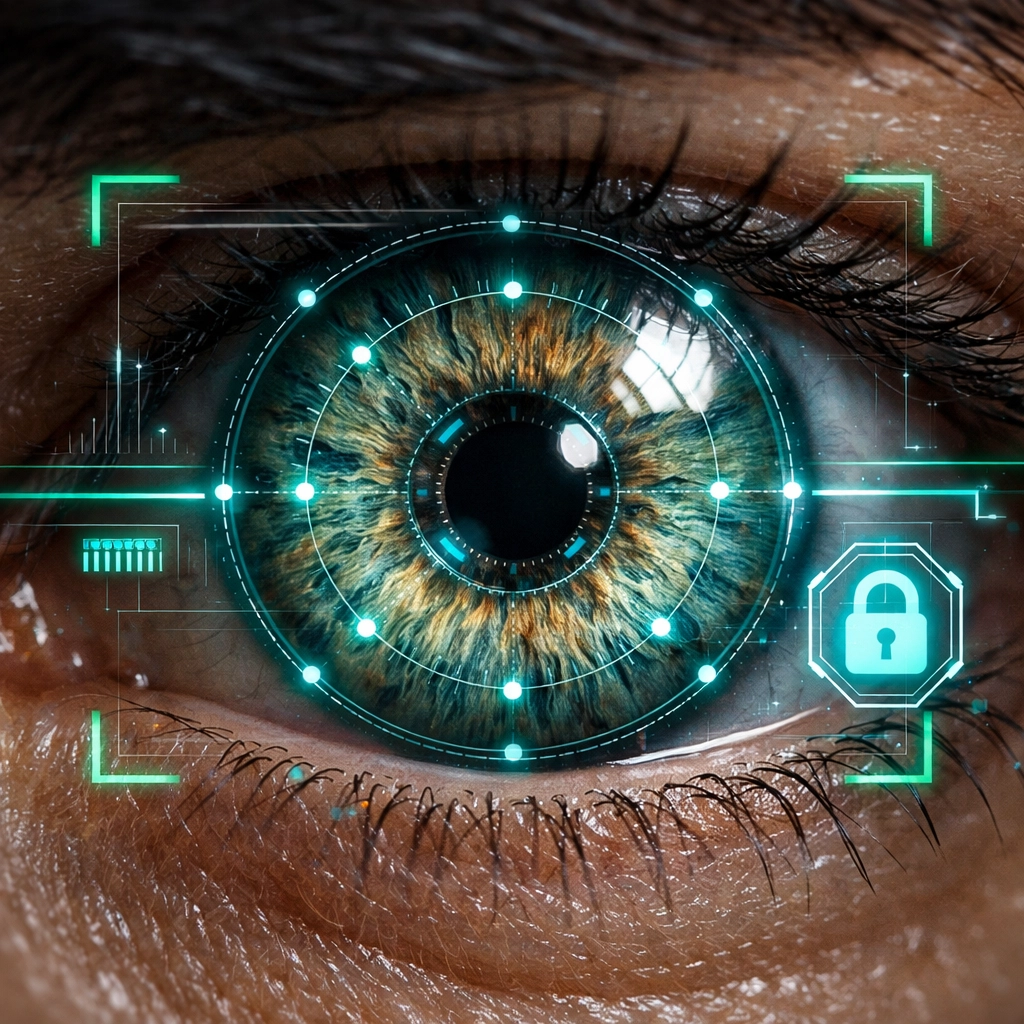
Standard facial recognition is easily fooled by a high-resolution screen or a sophisticated mask. 2026 security standards utilize "Liveness Detection." This requires the user to perform random, non-repeatable actions (like following a moving dot with their eyes or saying a specific, randomly generated phrase) while the software analyzes micro-expressions, blood flow patterns in the skin, and pupillary responses that AI-generated video cannot yet perfectly replicate.
2. Voice Watermarking and "Honey-Tokens"
For public figures and high-level professionals, voice protection is critical. Emerging tech allows you to embed an inaudible "digital watermark" into your public audio. If a deepfake tries to sample that audio, the watermark breaks the AI’s synthesis process or leaves a traceable digital signature that proves the audio is a clone.
Another strategy is using "Honey-Tokens": specific, unique phrases or "safe words" shared only with trusted family and colleagues to verify identity during sensitive transactions.
3. Decentralized Identity (DID) and Blockchain
The most significant shift in 2026 is toward Self-Sovereign Identity (SSI). Instead of Google or Facebook "owning" your login, your biometric and identity data are stored in a decentralized ledger.
When you need to prove who you are, you use a Zero-Knowledge Proof (ZKP). This allows you to prove you are "You" without actually transmitting the raw biometric data (like your face scan or fingerprint) to the requesting server. This prevents the "leaky database" problem that feeds the deepfake economy.
The Corporate Shift: Digital Twins in IAM
From an organizational perspective, protecting "Digital Twins" has become a core part of Identity and Access Management (IAM). As research suggests, companies are now using digital twins of their own networks to simulate attacks.
By creating a virtual replica of the company’s identity ecosystem, security teams can run "Monte Carlo" simulations: essentially "war gaming" what happens if a specific executive's digital identity is compromised. This allows for Adaptive Access Control. For example, if a "User" logs in from a recognized device but their typing speed, mouse movements, and voice cadence (behavioral biometrics) don't match their historical digital twin, the system automatically triggers a hardware-key authentication requirement.
Personal Lifestyle Security: A 2026 Checklist
If you want to protect your digital reputation and financial assets, you need a "Personal Firewall" strategy. Here is how to audit your digital footprint today:
- Audit Your Biometric Permissions: Go into your smartphone settings and see which apps have access to your camera and microphone. In 2026, a "flashlight app" asking for microphone access is a red flag for data scraping.
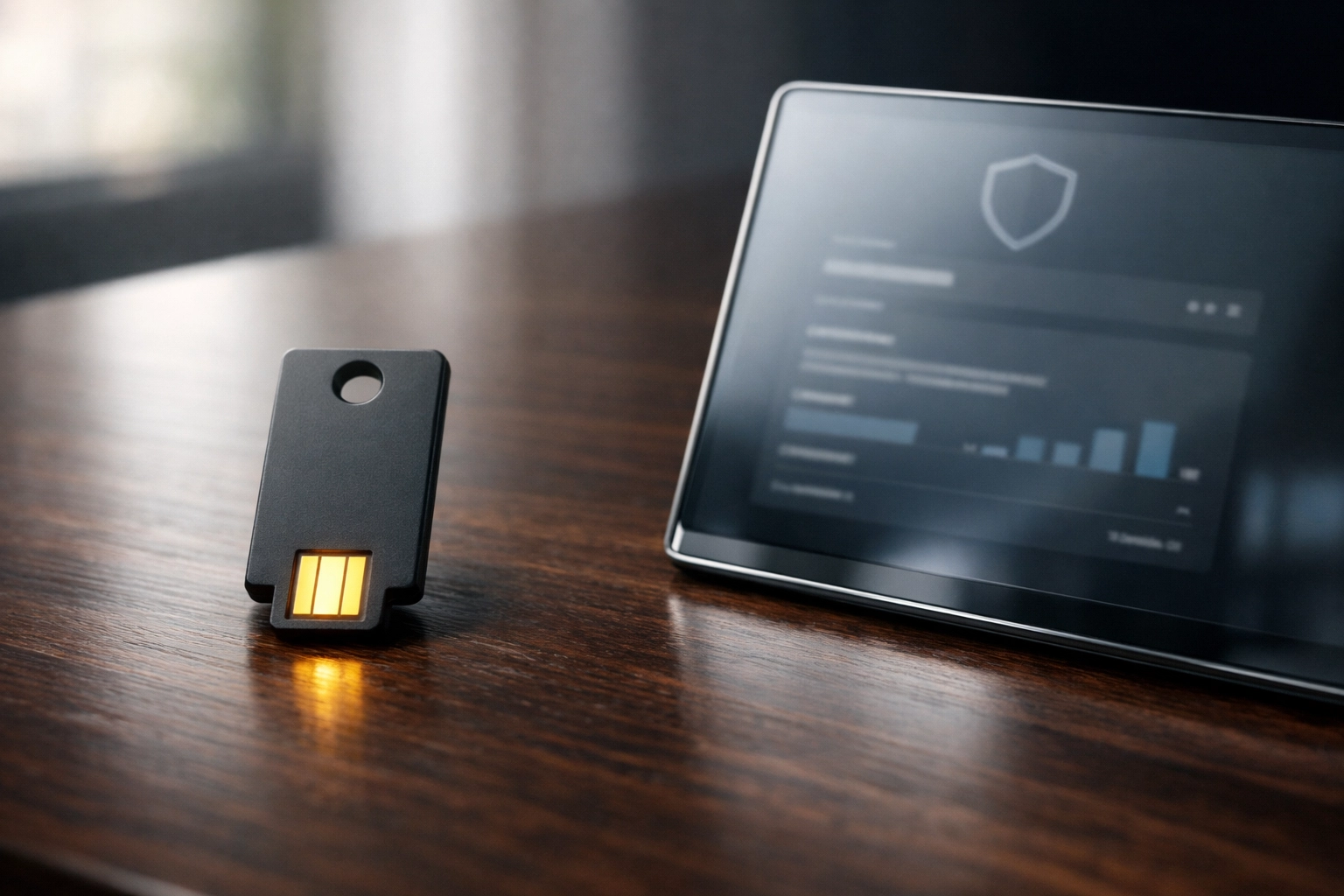
- Use Hardware Security Keys: Move away from SMS-based 2FA. Use physical keys like Yubikeys. Deepfakes can't intercept a physical USB device.
- Normalize "Analog Verification": For significant financial moves, insist on an out-of-band verification. If your "boss" Slacks you to buy gift cards or move money, call them on a pre-verified, encrypted line and ask a question only they would know.
- Deepfake Insurance: We are seeing the rise of "Identity Synthesis Insurance." These policies cover the legal costs of "reclaiming" your identity if a deepfake is used to commit a crime in your name.
The Ethical Dilemma: Who Owns Your Face?
As we move further into 2026, the legal system is struggling to keep up with "Bio-Sovereignty." If an AI company trains its model on your public YouTube videos, do you deserve a royalty? If a synthetic version of you is used in a movie without your consent, is that identity theft or "fair use" of public data?
The protection of your digital twin is ultimately a fight for the ownership of your "self." In an age where pixels and decibels can be perfectly mimicked, our "uniqueness" is our most valuable asset.
Conclusion: Staying One Step Ahead
The "Age of Deepfakes" isn't a dystopian future: it's the current reality of the 2026 job market and digital economy. Protecting your digital twin requires a combination of high-tech tools (like decentralized identity) and old-school skepticism.
The goal isn't to become a ghost, but to become an "authenticated" presence. By securing your biometric data and adopting a zero-trust mindset toward digital interactions, you can ensure that your digital twin remains a tool for your success, rather than a weapon for your enemies.
About the Author: Malibongwe Gcwabaza
CEO of blog and youtube
Malibongwe Gcwabaza is a forward-thinking leader in the digital content and cybersecurity space. With over a decade of experience navigating the intersection of emerging technology and media, Malibongwe focuses on empowering professionals to thrive in the "AI-First" economy. Under his leadership, blog and youtube has become a leading resource for high-quality, technical insights into the trends shaping 2026 and beyond. He is a firm believer in "Bio-Sovereignty" and advocates for decentralized solutions to identity security. When he isn't deconstructing the latest AI workflows, he’s exploring the future of "Portfolio Careers" and the fractional workforce.
About the Author