For over a decade, marketing "gurus" have been predicting the death of SEO. Every time Google rolls out a core update or a new technology emerges, the eulogies start pouring in. But as we sit here in 2026, the conversation has shifted from "Is SEO dead?" to "What exactly is SEO anymore?"
If you’re looking for the short answer: Yes, SEO matters more than ever. But if you’re trying to use 2022 tactics in a 2026 world, you’re essentially shouting into a void. The landscape hasn’t just shifted; it has been entirely rebuilt around AI-driven discovery, entity-based trust, and a massive move away from the traditional "ten blue links."
The truth is that organic traffic volume is down across the board. However, the value of the traffic that remains has skyrocketed. Here is the deep dive into why the game has changed and how you can actually win it.
The AI Reality: The Rise of the Zero-Click Search
In 2026, the biggest hurdle for any content creator is the "Zero-Click" reality. AI search agents: whether it's Google’s evolved SGE (Search Generative Experience), OpenAI’s SearchGPT, or specialized LLM-based engines: now provide direct answers to about 70% of informational queries.
If someone searches "How to calculate ROI for a blog," they don't need to click your website anymore. The AI reads your content, summarizes it, and presents the answer right there on the search results page.

This has led to a significant decline in raw traffic. But here is the nuance most people miss: The traffic you lost was "low-intent" traffic. These were people looking for a quick fact, not a solution or a product. While your analytics might show fewer visitors, the visitors you do get are much further along in their decision-making process. They’ve already seen the AI summary and decided they need the depth, the expert nuance, and the human perspective that only your full article provides.
From Keywords to "Entity Clarity"
Ten years ago, SEO was about keywords. Five years ago, it was about topics. In 2026, it is about Entities.
An entity is a well-defined thing or concept: a person, a brand, a specific product, or a unique methodology. Search engines no longer just look for words on a page; they try to understand the relationship between entities.
If your brand is "blog and youtube," the AI isn't just looking for those keywords. It’s looking to see if you are a recognized entity in the "Digital Marketing" and "Content Strategy" space.
Why Entity Clarity Beats Keyword Strategy:
- Trust over Matching: AI agents recommend brands they "know" and trust. If your entity profile is messy (e.g., your LinkedIn says one thing, your About page says another, and your schema data is missing), the AI will ignore you.
- Disambiguation: You want the search engine to know exactly who you are so it doesn't confuse you with a competitor or a different industry.
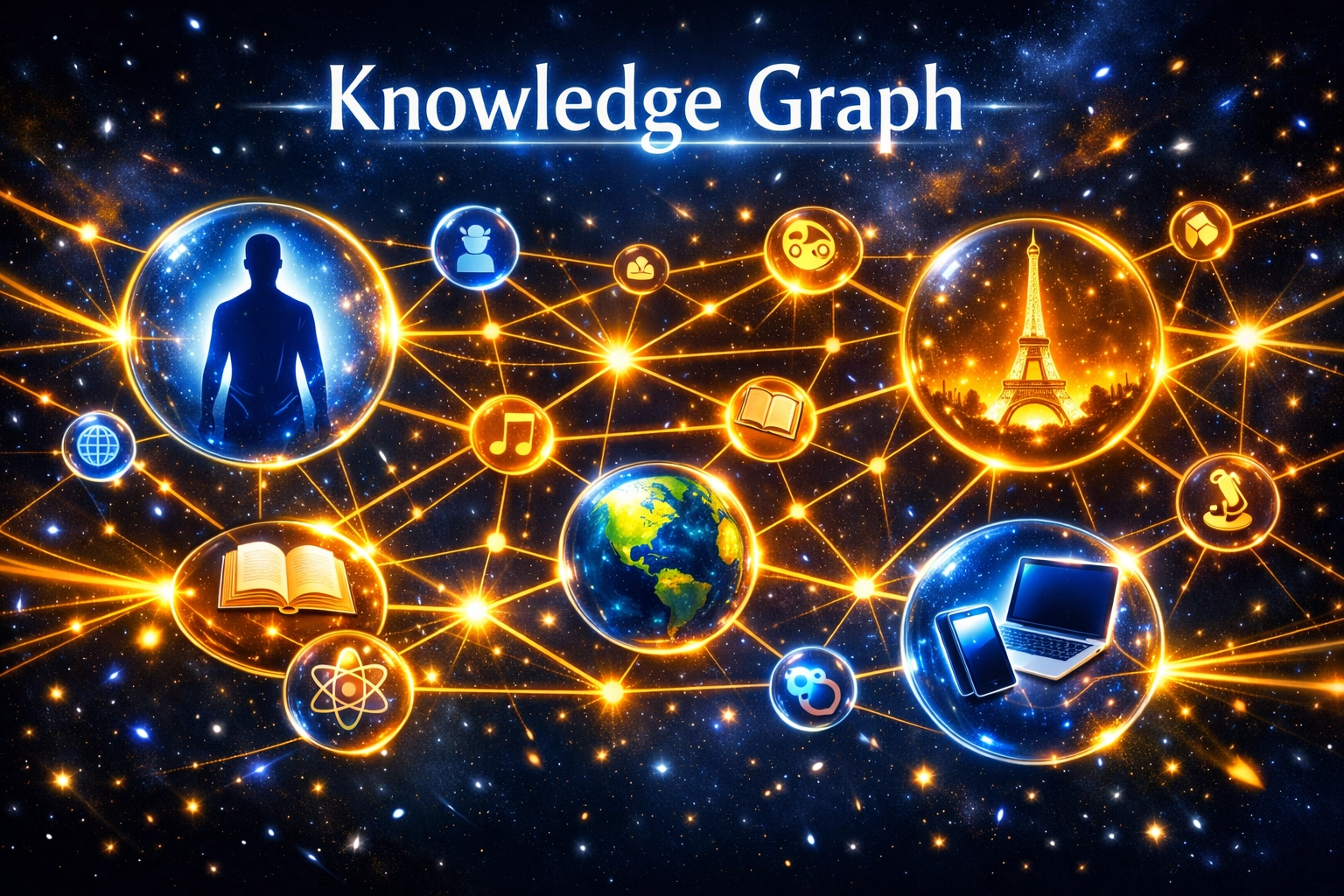
- The "Knowledge Graph": Getting your brand into the global knowledge graph is the only way to ensure you show up in "AI-recommended" lists.
Search Everywhere Optimization (S.E.O. 2.0)
In 2026, "Search" doesn't just happen on Google. Consumers are searching on YouTube, TikTok, Reddit, and directly within AI assistants. This is what we call "Search Everywhere Optimization."
AI models are trained on massive datasets. If you want an AI to recommend your business, your brand needs to be mentioned and discussed in the places where these models "learn." This means:
- Reddit & Forums: AI models place a massive weight on human discussions. If your brand is being praised on Reddit, you gain an enormous boost in AI-generated search results.
- Video Content: YouTube is the second largest search engine and a primary source for AI training. High-quality video content is no longer a "nice to have": it’s a core SEO pillar.
- Social Proof: TikTok and Instagram are the primary search engines for Gen Z and Gen Alpha. If you aren't discoverable there, you don't exist for a third of the market.
The Metrics That Actually Matter Now
Stop looking at "Total Clicks" as your primary KPI. It’s a vanity metric that will break your heart in 2026. Instead, focus on these three pillars of the new SEO:
1. Intent Density
How much value are you providing per paragraph? In the past, "thin content" was about word count. Today, thin content is anything that an AI can summarize in two sentences. To rank, your content must have "Intent Density": unique data, personal experience, or technical depth that an AI cannot replicate or simplify without losing the core value.
2. Branded Search Volume
The most valuable keyword you can rank for is your own name. When people search for "blog and youtube SEO tips" instead of just "SEO tips," they are showing brand preference. AI engines track this. High branded search volume tells the algorithm that you are an authority, which in turn helps your non-branded content rank higher.
3. Conversion-to-Click Ratio
Since you are getting fewer clicks, each click must work harder. If 100 people visit your site and 10 of them sign up for your newsletter, you are doing better than a site that gets 1,000 visitors and only 5 signups.

Technical SEO: The "Entry Fee"
While the "content" side of SEO has changed, the "technical" side has become even more binary: you either pass, or you’re invisible. Technical SEO is the entry fee for the 2026 market.
| Feature | Why it Matters in 2026 |
|---|---|
| Core Web Vitals | If your site isn't instant on mobile, AI assistants won't even try to crawl it. |
| Advanced Schema | You need to "hand-feed" the AI. Use JSON-LD to tell it exactly who wrote the post and what the "mainEntity" is. |
| Mobile-First Design | Over 85% of organic search now happens on mobile devices or via voice/AI wearables. |
| API Accessibility | Making your site easily readable by "headless" browsers and AI agents is now a standard requirement. |

E-E-A-T: The Human Moat
AI can write a "good" article. It can summarize facts. But it cannot (yet) have an experience. This is where the Experience in E-E-A-T (Experience, Expertise, Authoritativeness, Trustworthiness) comes in. It is your "Human Moat."
To thrive in 2026, your content must include:
- Case Studies: Real-world examples with proprietary data.
- Original Opinions: Don't just say what everyone else is saying. Take a stand.
- Technical Deep Dives: Go deeper than the surface level. Explain the "why" and the "how-to" in a way that requires actual expertise.
- Author Transparency: People (and algorithms) want to know exactly who is behind the content. A generic "Admin" bio is an SEO death sentence.

The Bottom Line for 2026
SEO isn't dead; it’s just grown up. We are moving away from the era of "tricking the algorithm" and into the era of "becoming the authority."
If you focus on building a strong brand entity, creating high-density content that provides unique value, and ensuring your technical foundations are rock solid, you will find that 2026 is actually the best year yet for organic growth. The "fakers" who relied on thin, AI-generated fluff are being filtered out, leaving more room for genuine experts to shine.
Don't chase the clicks. Chase the trust. The clicks will follow.
About the Author
Malibongwe Gcwabaza is the CEO of blog and youtube. With over a decade of experience in the digital landscape, Malibongwe focuses on bridging the gap between technical innovation and simple, effective communication. He leads a team dedicated to helping businesses navigate the complexities of modern search, AI, and content strategy with a focus on sustainable, long-term growth. When he isn't dissecting the latest search algorithms, he’s exploring new ways to simplify tech for the next generation of creators.
About the Author