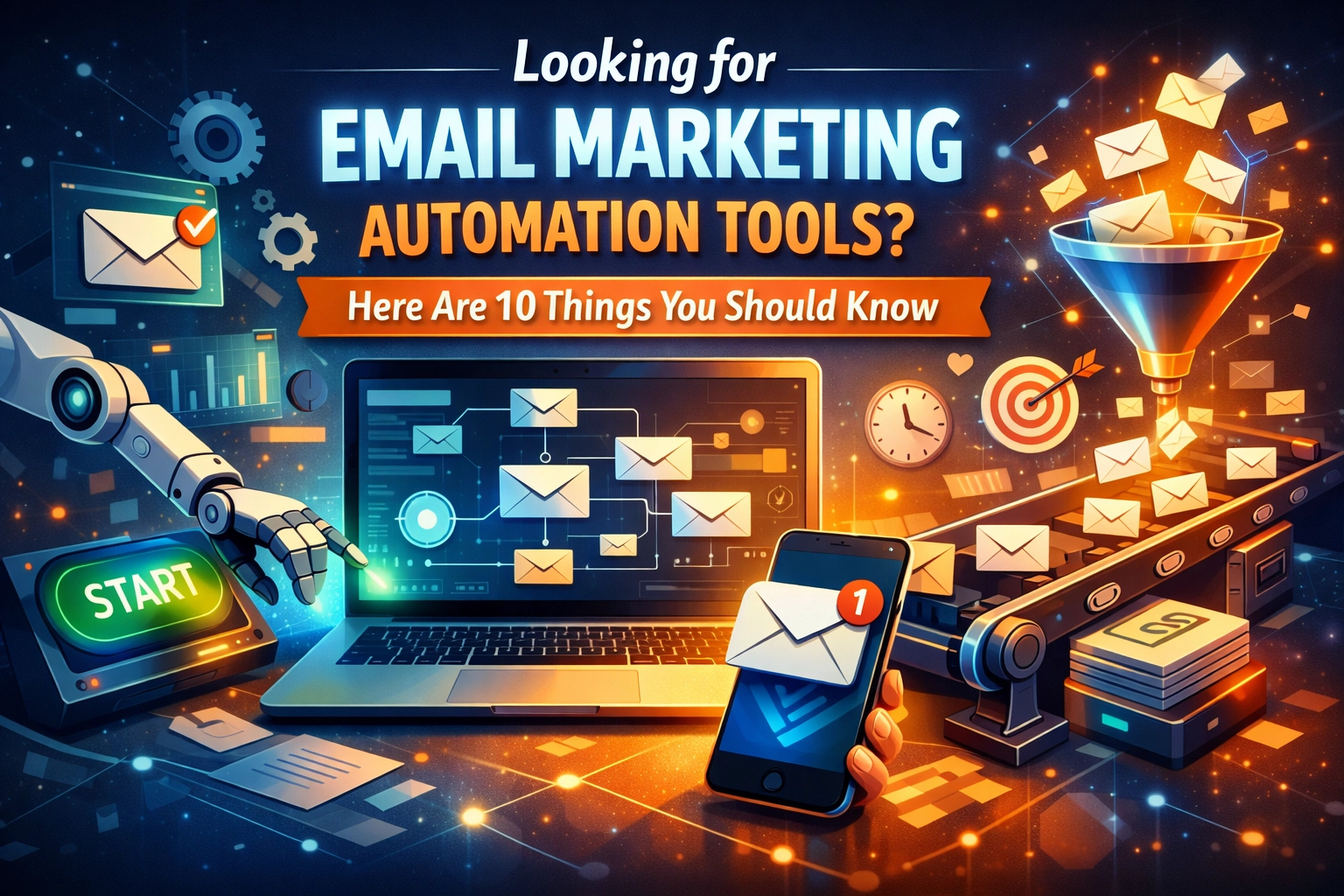
Choosing an email marketing automation tool used to be a simple decision: you either used Mailchimp for ease of use or Constant Contact because your boss already had an account. In 2026, the landscape has shifted into a complex ecosystem of specialized platforms, AI-driven triggers, and integrated CRMs. The "best" tool doesn't exist in a vacuum; there is only the best tool for your specific business model, technical skill level, and growth stage.
If you are currently hunting for a platform to handle your newsletters, drip campaigns, and behavioral triggers, you’ve likely realized that every landing page looks identical. They all promise "seamless automation" and "stunning templates." To help you cut through the marketing noise, here are the 10 critical things you need to know before you sign a contract or migrate your list.
1. The Market is Split Between Generalists and Specialists
The first thing you’ll notice is that platforms have picked sides. Broadly speaking, tools now fall into three buckets:
- Ecommerce Specialists: Platforms like Klaviyo and Omnisend are built specifically for Shopify, WooCommerce, and BigCommerce users. They excel at "Abandoned Cart" sequences, "Back in Stock" alerts, and product recommendation engines.
- B2B and SaaS Powerhouses: Tools like ActiveCampaign and Hubspot focus on lead scoring and the "sales pipeline." They treat an email address as a lead, not just a subscriber.
- Content and Creator Tools: ConvertKit (now Kit) and Beehiiv are designed for writers and creators. They prioritize deliverability for long-form text and built-in referral programs rather than complex product data.
Before you look at features, identify which bucket your business fits into. Using a creator-centric tool for a 5,000-SKU ecommerce store will leave you frustrated and lacking data.
2. Automation is No Longer Just "Scheduled Emails"
Basic automation: sending a welcome email when someone joins your list: is now the bare minimum. True automation in 2026 is behavioral.
Advanced tools allow you to trigger emails based on specific actions your users take (or don’t take) on your website. For example:
- A user visits your "Pricing" page three times in 48 hours but doesn't buy.
- A customer hasn't opened an email in 90 days (re-engagement).
- A user clicks a link about "SEO" but ignores the link about "PPC" (tagging and interest profiling).
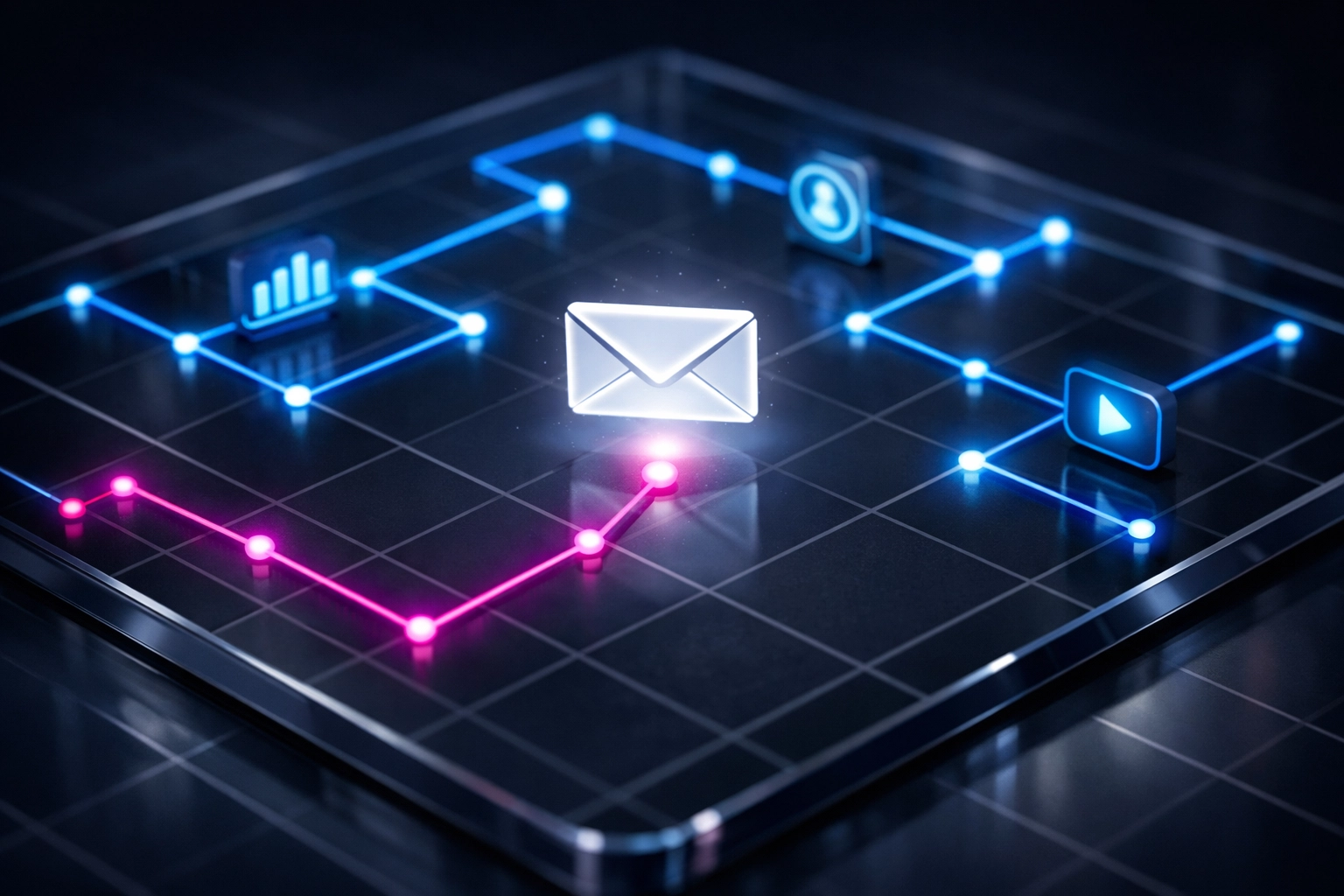
When evaluating a tool, look for a "visual workflow builder." If the platform doesn't allow you to map out "If/Then" logic visually, you’ll find it incredibly difficult to scale complex campaigns.
3. The "Free Plan" Trap
Most email tools offer a free tier, but the definition of "free" has tightened significantly over the last few years. Historically, you could have 2,000 subscribers and send 10,000 emails a month for nothing. Today, many free plans (like Mailchimp’s) limit you to 500 subscribers and restrict core features like multi-step automations or custom branding.
When choosing a tool, don't look at the free tier. Look at what the cost will be when you reach 5,000 or 10,000 subscribers. Some tools, like MailerLite or Brevo, remain affordable as you scale, while others see a massive price jump once you cross the "pro" threshold.
4. Built-in CRM Functionality is the New Standard
The line between an email tool and a Customer Relationship Management (CRM) platform has blurred. High-end tools like GetResponse and ActiveCampaign now include CRM features that allow you to track individual customer journeys, set up deal stages, and assign tasks to sales reps.
If your business relies on high-ticket sales or long consultation cycles, having your email data and sales data in the same place is a game-changer. It allows for Lead Scoring, where a subscriber gains points for opening emails or clicking links. Once they hit a certain score, your sales team gets a notification that the lead is "hot."
5. Integration is Your Most Important Feature
Your email tool should not be an island. It needs to talk to your website, your payment processor, your webinar platform, and your customer support software.
Before committing, check the integration marketplace. A tool that integrates natively with Zapier or Make.com is essential, but native integrations (where the two apps talk directly) are always faster and more reliable. For example, if you use WordPress, you want a tool that has a robust plugin to track site behavior without you having to write a single line of Javascript.
6. Deliverability is a Technical Metric, Not a Guess
You can write the best email in the world, but it’s worthless if it lands in the "Promotions" tab or, worse, the Spam folder. Deliverability depends on the reputation of the platform’s IP addresses and your own technical setup.
When researching tools, look for those that offer:
- Dedicated IP addresses: (Usually for high-volume senders).
- Easy SPF, DKIM, and DMARC setup: These are technical authentication protocols that tell Gmail and Outlook that you are who you say you are.
- Robust Compliance Teams: Platforms that are "too easy" to join often attract spammers, which ruins the reputation of the entire platform's IP range.

7. Pricing Scales Differently Across Platforms
Email marketing pricing generally follows two models:
- Subscriber-Based: You pay based on how many people are on your list. (Common in Mailchimp, ConvertKit).
- Volume-Based: You pay based on how many emails you actually send. (Common in Brevo, Amazon SES).
If you have a massive list but only send one newsletter a month, a volume-based model will save you thousands of dollars. If you have a small list but send daily automated sequences, a subscriber-based model is usually more predictable.
| Platform | Best For | Starting Price (Approx) |
|---|---|---|
| MailerLite | Simplicity/Small Biz | $0 – $10/mo |
| Klaviyo | Ecommerce | $20/mo |
| ActiveCampaign | Complex Automation | $49/mo |
| Brevo | Transactional/Volume | $25/mo |
8. Template Flexibility vs. Ease of Use
There is a trade-off between "glossy" and "functional." Some tools give you 500+ pre-designed templates that look like professional magazines. Others give you a "bare bones" builder that encourages plain-text emails.
Recent data suggests that for B2B and coaching, plain-text (or "simple-text") emails actually have higher click-through rates because they feel more personal. However, for ecommerce, you need high-quality image blocks and dynamic product grids. Ensure the builder feels intuitive to you; if you hate the interface, you won’t use the tool.
9. Data Privacy and GDPR Compliance
In 2026, data privacy is non-negotiable. Your email tool must be GDPR compliant if you have any subscribers in Europe, and CCPA compliant for California. This means the tool must offer:
- One-click "Unsubscribe" links that actually work.
- Double opt-in capabilities.
- Data processing agreements (DPAs).
- The ability to completely delete a user's data upon request.
Don't skip the "Legal" or "Privacy" tab on the platform's website. A data breach or a privacy lawsuit is far more expensive than any monthly subscription fee.
10. The Importance of Support and Documentation
Eventually, an automation will break. A tag won't fire, or an integration will disconnect. When that happens, you need help immediately.
Check if the platform offers:
- Live Chat Support: Email-only support can take 24-48 hours.
- Knowledge Base: Are there clear video tutorials and articles?
- Community: Is there a Facebook group or a forum where users share tips?
Tools like MailerLite are known for excellent support even on lower tiers, whereas some larger enterprise tools might leave you waiting if you aren't on their most expensive plan.

Final Thoughts
Choosing an email marketing automation tool is a foundational decision for your business. It is the only channel you truly "own": unlike social media, no algorithm can take away your email list.
Start by defining your goals. Are you trying to sell products on autopilot, or are you trying to build a deep relationship with a small group of high-value clients? Once you know your goal, use the list above to filter your options. Don't be afraid to sign up for three or four free trials and send a test campaign from each. The "feel" of the software matters just as much as the feature list.
About the Author: Malibongwe Gcwabaza
Malibongwe Gcwabaza is the CEO of blog and youtube, a digital growth agency and content hub dedicated to simplifying the complexities of online marketing. With over a decade of experience in digital strategy and automation, Malibongwe focuses on helping businesses build sustainable, high-performing systems that turn attention into revenue. When he’s not auditing SEO frameworks or testing the latest AI workflows, he’s passionate about sharing actionable insights that help entrepreneurs scale without the burnout.
About the Author