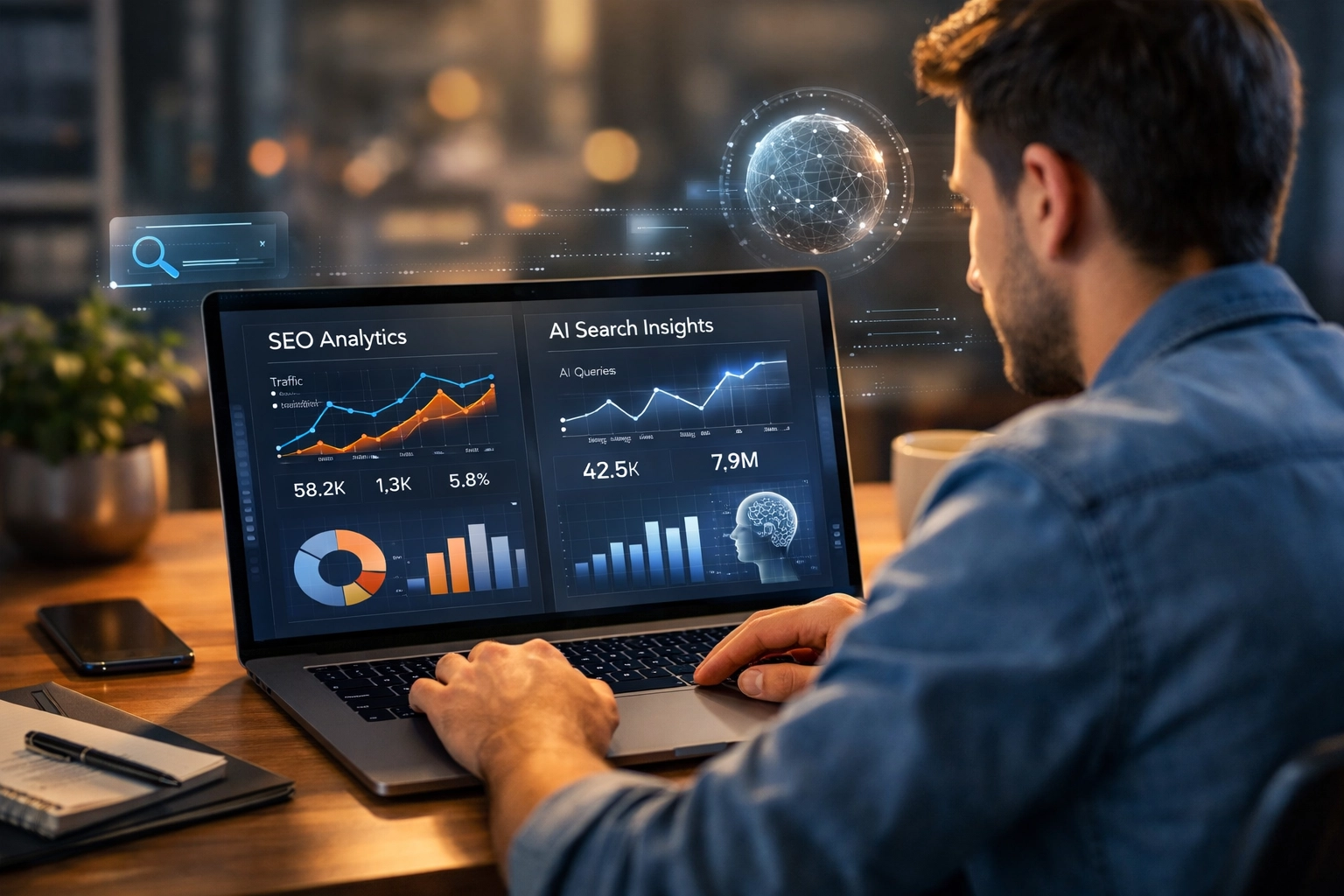
Every year since about 2010, some "guru" on the internet declares that SEO is dead. In 2026, with AI-generated answers dominating the top of every search results page and chatbots acting as our digital concierges, that cry is louder than ever. You might be looking at Google’s Search Generative Experience (SGE) or Perplexity and wondering, "Why am I even bothering to optimize a website when the AI just summarizes my content and keeps the user on its own platform?"
Here is the cold, hard truth: SEO isn't dead, but the version of SEO you learned three years ago is currently in a hospice bed.
In 2026, search has shifted from a game of "matching keywords" to a game of "proving utility." If you are a small business owner or a content creator, the stakes are higher, but the rewards for those who adapt are massive. Organic search still drives over 53% of all web traffic. The people who tell you SEO is over are usually the ones who failed to evolve past 2022 tactics.
The Rise of the "Answer Engine"
We no longer live in an era of "10 blue links." When you search for "how to fix a leaky sink" in 2026, Google doesn't just give you a list of plumbing blogs; it gives you a multi-modal AI summary, a video snippet of the exact turn of the wrench required, and a local map of plumbers who are available right now.
This is what we call "Zero-Click Search." It sounds terrifying for traffic, doesn't it? If the AI gives the answer, why would anyone click your link?
The answer lies in Information Gain. AI models are trained on existing data. They are great at summarizing "common knowledge." However, they struggle with proprietary data, fresh perspectives, and deep expertise. In 2026, SEO is about providing the "source of truth" that the AI needs to cite. If you aren't the source, you're invisible.

Keywords are Dead, Long Live Intent
Back in the day, you’d pick a keyword like "best coffee beans" and sprinkle it across your page like salt on a steak. In 2026, Google’s neural networks (based on the latest iterations of Gemini and beyond) don't care about the specific word as much as the User Intent.
Search engines now understand the "why" behind the query. Are they looking to buy? Are they looking to learn? Are they just bored?
The 2026 Intent Categories
| Intent Type | What the User Wants | SEO Strategy |
|---|---|---|
| Informational | A quick answer or a deep dive. | High "Information Gain" and unique data. |
| Navigational | To find a specific brand or tool. | Brand authority and clear site structure. |
| Commercial | To compare options before buying. | Expert reviews and transparent comparisons. |
| Transactional | To pull out the credit card. | Flawless UX and lightning-fast speed. |
If your content targets "best coffee beans" but doesn't explain the roast profiles, the altitude of the farm, or the specific brewing method for those beans, the AI will ignore you. It wants depth, not just repetition.
The Technical Baseline: No Room for Sluggishness
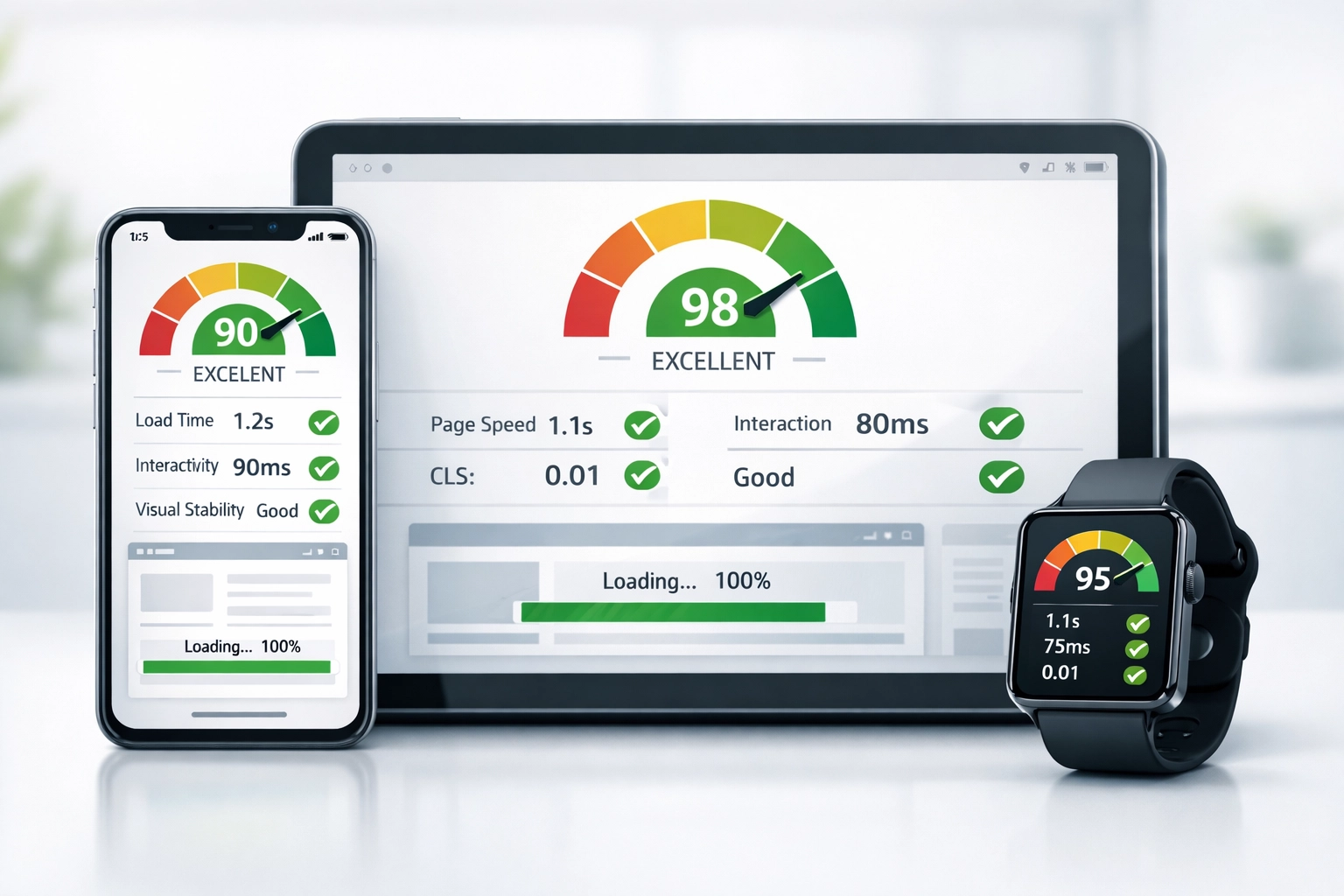
Technical SEO used to be a "nice to have" for small businesses. In 2026, it is the entry fee. Core Web Vitals have evolved. It’s no longer just about how fast your page loads; it’s about how "stable" the experience is across devices, including AR glasses and foldable screens.
If your site takes more than 1.5 seconds to become interactive, you are effectively invisible to search engines. AI crawlers are expensive to run. If your site is a mess of broken code and heavy images, Google will simply stop wasting its "crawl budget" on you.
Why Site Performance Impacts Your Bottom Line
Recent data shows that websites optimized for the 2026 Core Web Vitals see a 10-30% increase in conversion rates. This isn't just about pleasing an algorithm; it's about pleasing humans who have the attention span of a goldfish on espresso.
E-E-A-T: Your Shield Against the AI Tsunami
Google’s "Helpful Content" guidelines have doubled down on E-E-A-T: Experience, Expertise, Authoritativeness, and Trustworthiness.
AI can hallucinate. It can give bad advice. It can’t, however, go to a restaurant and taste the pasta. It can’t feel the suspension on a new mountain bike. It can’t share the "war stories" of running a small business for 20 years.
To rank in 2026, your content must lean into the Experience part of the acronym.
- Use "I" and "We": Share personal anecdotes.
- Include Original Photos: Stock photos are a signal of "generic" content.
- Author Transparency: Every post needs a real human bio with links to social proof.
SEO for Small Businesses: The Local Advantage
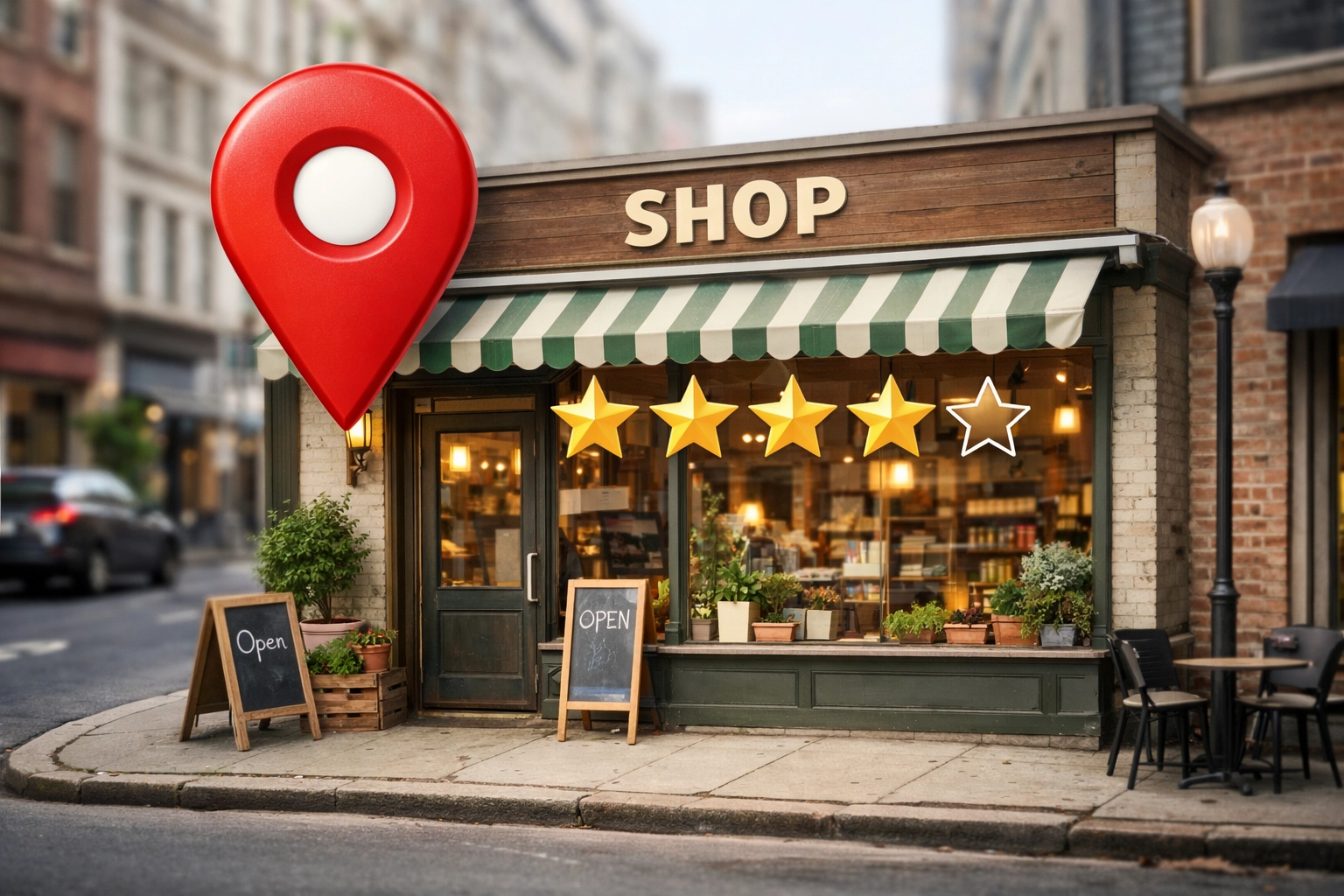
If you run a local business, SEO is your greatest customer acquisition tool. In 2026, Local Services Ads (LSAs) and the "Map Pack" are deeply integrated with voice search.
When someone says, "Hey Google, find a mechanic near me who works on electric trucks," the AI isn't just looking for keywords. It’s checking your Google Business Profile, your latest reviews, your response time to messages, and whether your website mentions specific EV certifications.
Small businesses that treat their Google Business Profile as a social media feed, posting updates, photos, and responding to every review, are crushing their competitors who only focus on old-school backlinks.
The Cost of Ignorance vs. The Value of Organic
Some founders argue that SEO takes too long and they’d rather just buy ads. While PPC (Pay-Per-Click) is a great short-term lever, the math in 2026 is brutal. Ad costs on platforms like Meta and Google have skyrocketed as competition for "above the fold" space intensifies.
Companies that prioritize SEO see 30-50% lower customer acquisition costs (CAC) compared to those relying solely on paid media. Why? Because organic search builds trust. A user who finds you through an informative guide is far more likely to convert than a user who was interrupted by a "Sponsored" tag while scrolling.
How to Win at SEO in 2026 (The Checklist)
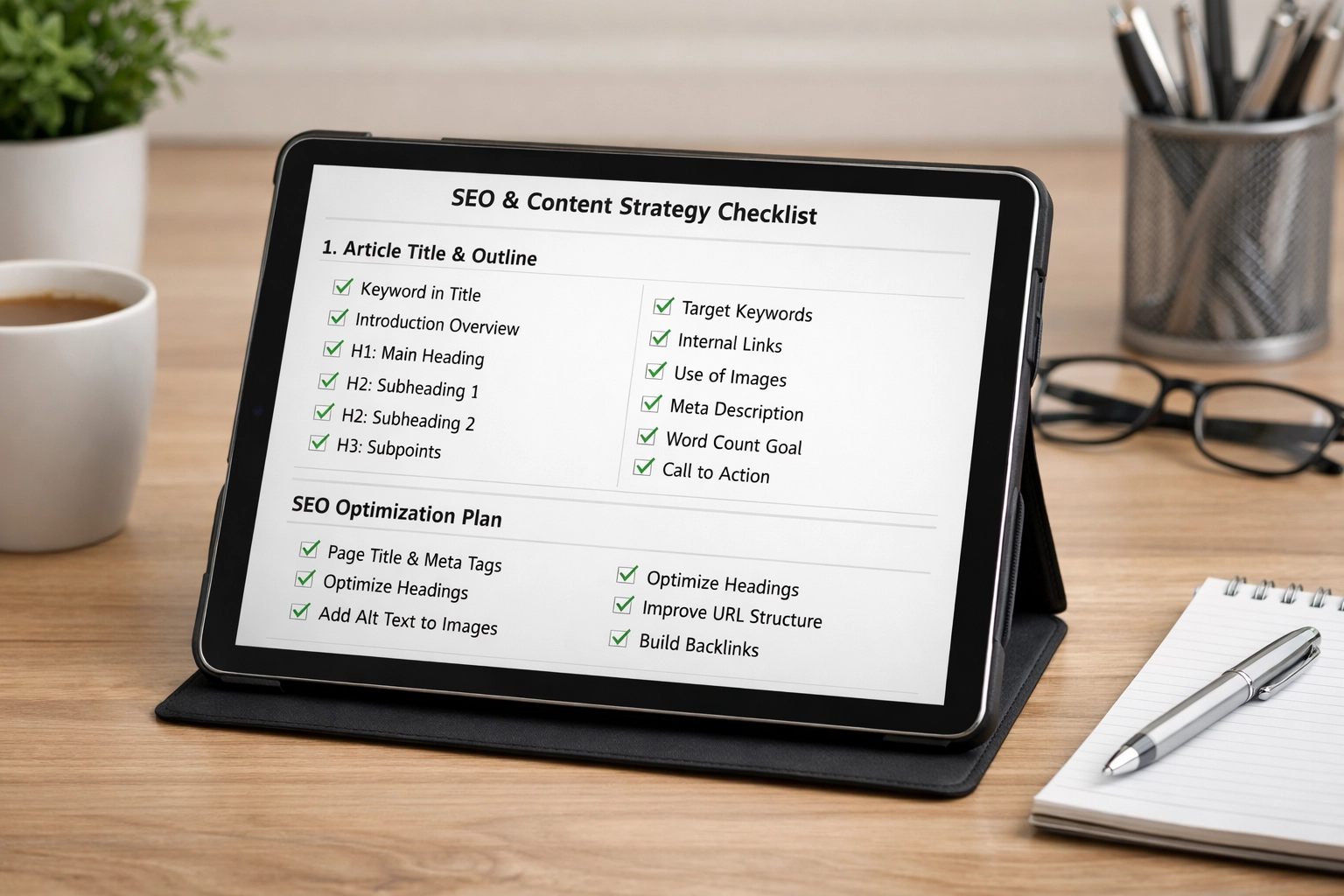
If you want to stay relevant, here is your playbook:
- Prioritize "Information Gain": Ask yourself, "Does this article say something that hasn't been said 1,000 times before?" If the answer is no, don't publish it.
- Optimize for AI Overviews: Use clear headings (H2s and H3s) and bullet points. AI crawlers love structured data. If you make it easy for the AI to summarize you, it is more likely to cite you as the source.
- Video Integration: In 2026, the "search page" is a mix of text and video. Every major blog post should have a companion video (YouTube or short-form) embedded within it.
- Semantic Internal Linking: Stop linking just for the sake of it. Link related topics in a way that shows the search engine you are an "authority" on a broad subject, not just a single page.
- Human-Centric UX: Ensure your "Call to Action" is clear, but don't bury the answer under 500 words of filler. Give the user what they want immediately, then expand on the "why."
Final Thoughts: The Human Element
At the end of the day, SEO in 2026 is just Digital PR. It’s about building a reputation so strong that both humans and algorithms can’t help but recommend you. AI hasn't killed SEO; it has simply raised the floor. You can no longer rank with "okay" content. You have to be the best, the most helpful, or the most unique.
The businesses that embrace this shift: focusing on user intent, technical excellence, and genuine expertise: will find that 2026 is actually the most profitable year for organic search yet.
About the Author
Malibongwe Gcwabaza
CEO of blog and youtube
Malibongwe is a strategic leader dedicated to helping businesses navigate the intersection of content and technology. With a focus on simple, effective digital growth, he spends his time deconstructing complex marketing trends to give small businesses a competitive edge in the AI era. When he’s not obsessing over search algorithms, he’s exploring the latest in video production and digital storytelling.
About the Author