![[HERO] The 2026 Guide to YouTube SEO: How to Rank Your Videos in a Saturated Market](https://cdn.marblism.com/TLDxxSfaXXh.webp)
By early 2026, the YouTube landscape has shifted. It’s no longer enough to “optimise for keywords” and hope for the best. With over 500 hours of content uploaded every minute and AI-generated videos flooding every niche, the algorithm has evolved. It’s smarter, more focused on semantic meaning, and hyper-sensitive to viewer satisfaction.
If you want to rank today, you have to stop thinking like a traditional “uploader” and start thinking like a data-driven media house. Here is exactly how to dominate YouTube search and discovery in 2026.
1. The Shift to Topical Authority (The Hub-and-Spoke Model)
In the past, you could rank a one-off video about “How to bake a cake” even if your entire channel was about car repairs. In 2026, those days are gone. YouTube’s algorithm now prioritizes Topical Authority. It wants to know if you are an expert in your specific niche before it gives you a seat at the top of the search results.
Instead of chasing random high-volume keywords, you need to build a Topic Cluster. This means creating a “Hub” video (a comprehensive guide) and surrounding it with “Spoke” videos (specific, detailed sub-topics).
2020 SEO vs. 2026 SEO: What’s Changed?
By building these clusters, you signal to the algorithm that your channel is the “go-to” resource for that subject. When a viewer watches one video in your cluster, the algorithm is significantly more likely to suggest your next “spoke” video, increasing your overall session watch time.
2. AI Transcriptions and the “Multimodal” Algorithm
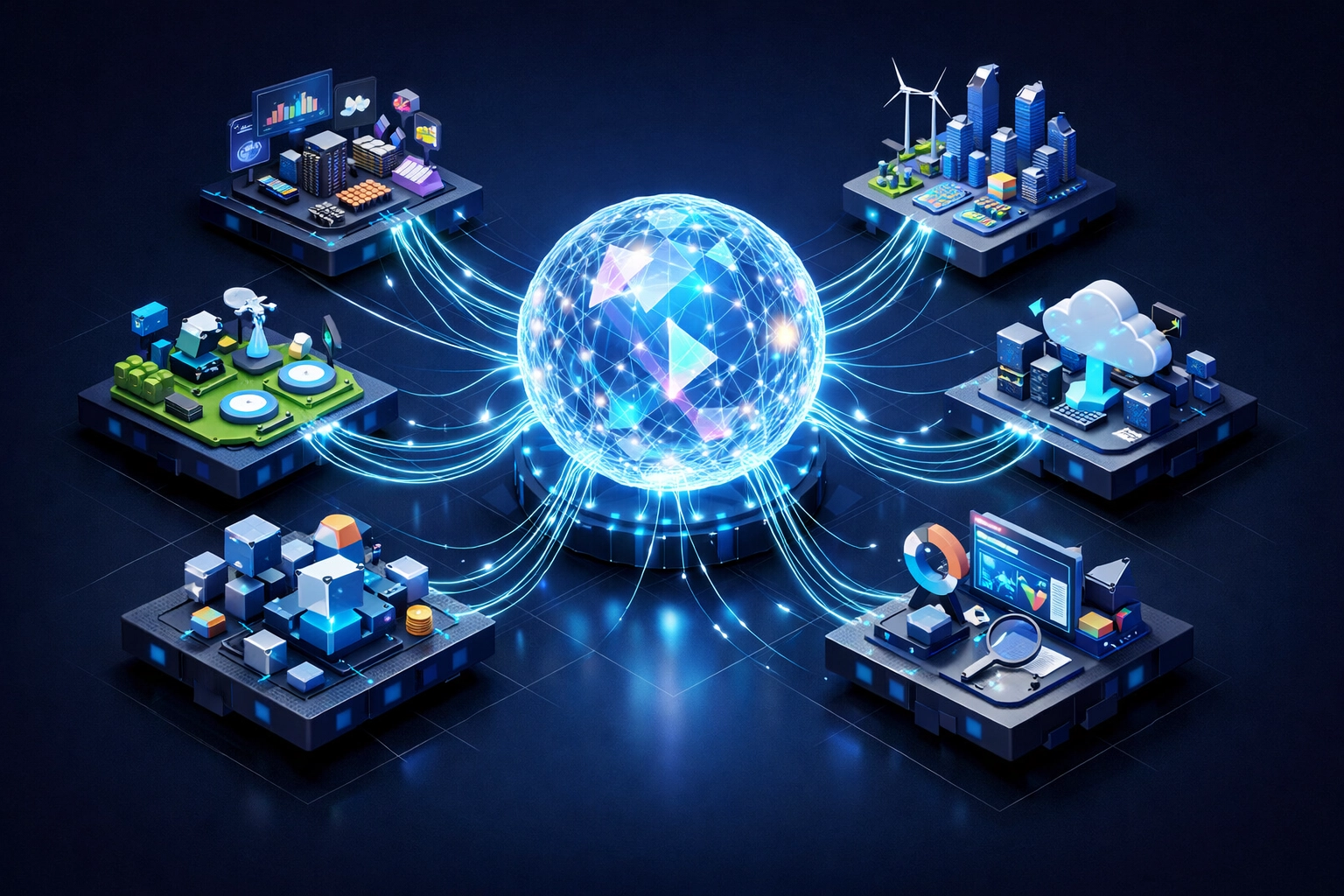
One of the biggest shifts in 2026 is how YouTube processes video content. YouTube’s internal Large Language Models (LLMs) now transcribe and “watch” every second of your video the moment it’s uploaded.
This means the algorithm understands your content better than your description does. If you say “Python programming” twenty times but your video is actually about “Javascript,” the AI will know.
Optimizing for the AI “Ear”
To win in this environment, your script needs to be as SEO-friendly as your metadata.
- Front-load your verbal keywords: Mention your primary topic within the first 30 seconds.
- Clear enunciation: Low-quality audio leads to poor AI transcription, which leads to poor indexing.
- Semantic density: Use related terms naturally. If you’re talking about “SEO,” mention “backlinks,” “search intent,” and “algorithms” to provide context to the AI.
YouTube now uses these transcriptions to automatically generate “Key Moments” and chapters. If your video is structured logically, YouTube will index these individual chapters in Google Search, giving you multiple “entries” into the search results from a single video.
3. Beyond Watch Time: The “Satisfaction Score”
We used to obsess over “Total Watch Time.” While that still matters, the 2026 algorithm prioritizes Satisfaction Signals. YouTube wants to keep users on the platform, but they also want those users to feel like their query was actually answered.
If a user watches 10 minutes of your 12-minute video but then immediately goes back to the search bar and types the exact same query, the algorithm flags your video as “unsatisfying.” You failed to solve their problem.
Strategies for High Retention and Satisfaction:
- The “No-Fluff” Hook: Eliminate the 30-second animated intro. Start with the “Value Proposition” immediately. Tell them exactly what they will learn.
- Pattern Interrupts: Use B-roll, text overlays, and camera angle shifts every 15–30 seconds. In a saturated market, the human brain needs constant stimulation to stay focused.
- The “Next Step” Call to Action: Don’t just tell them to “like and subscribe.” Tell them which of your other videos they should watch next to complete their learning journey. This boosts session duration, which is a massive ranking signal.

4. Metadata in the Age of Semantic Search
Even though the AI “watches” your video, your manual metadata (Title, Description, Tags) still acts as the “map” for the algorithm.
The Perfect 2026 Title Formula
Your title should be a mix of Search Intent and Psychological Trigger.
- Bad: YouTube SEO Tips 2026
- Good: Why Your Videos Aren’t Ranking: The 2026 YouTube SEO Guide
The Description: The 150-Character Rule
The first two sentences of your description are the most important. This is what shows up in search snippets.
- Sentence 1: Use your primary keyword and explain the benefit.
- Sentence 2: Use a secondary keyword or a “curiosity gap.”
- The Rest: Include a detailed summary (200+ words), timestamps, and links to your “Topic Cluster” videos.
Tags: Are they dead?
Not quite. While less powerful than they were five years ago, tags still help with “suggested video” placement. Use 5–10 highly specific tags rather than 50 generic ones.
5. CTR Psychology: Standing Out in the AI Crowd
In 2026, many creators are using AI to generate thumbnails. This has led to a “sameness” in the feed: everything looks like a high-gloss, neon-lit movie poster. To rank, your Click-Through Rate (CTR) needs to be higher than the competition.
Thumbnails that Convert in 2026:
- High Contrast, Low Clutter: If a user can’t understand your thumbnail in 0.5 seconds, they will scroll past.
- The “Face” Factor: Real human emotion still outperforms AI avatars. A face showing genuine surprise, frustration, or triumph increases CTR by roughly 30%.
- The 3-Word Rule: Never put more than three words of text on a thumbnail. Let the image tell the story; let the title provide the context.

6. The Multi-Format Funnel: Shorts, Long-form, and Community
You cannot rank in 2026 if you only post one type of content. YouTube has fully integrated Shorts into the discovery algorithm.
Think of your content as a funnel:
- Shorts (Top of Funnel): Use these for massive reach and “discovery.” They shouldn’t be your deepest content, but they should act as an “ad” for your long-form videos.
- Long-form (Middle of Funnel): This is where you build authority, rank for search queries, and generate revenue.
- Community Posts (Bottom of Funnel): Use these to keep your current subscribers engaged. High engagement on Community posts tells the algorithm your audience is “active,” which gives your next video upload a “boost” in the first 24 hours.
7. Off-Platform Signals and Video Schema
YouTube is owned by Google, and the integration has never been tighter. If you want your video to rank #1 on YouTube, you often need to rank it on Google first.
VideoObject Schema is a piece of code you should add to any blog post where you embed your video. It tells Google’s crawlers exactly what the video is about, its duration, and its thumbnail location.
Furthermore, “External Views” (views coming from your website, Reddit, or email newsletters) are weighted heavily in 2026. They signal to YouTube that your content is valuable enough to bring “outside” traffic onto their platform. YouTube rewards this behavior by pushing your video to a wider internal audience.
Conclusion: The “Expertise” Edge
Ranking on YouTube in 2026 isn’t about “gaming the system.” The system is now too smart to be gamed. Instead, it’s about alignment.
Align your script with what the AI wants to hear. Align your “Topic Clusters” with what the algorithm wants to see. Most importantly, align your content with what the viewer actually needs. If you provide genuine value, keep people on the platform, and prove you are an authority in your space, the rankings will follow.
The market may be saturated, but it is never saturated with truly excellent content.
About the Author: Malibongwe Gcwabaza
Malibongwe Gcwabaza is the CEO of blog and youtube, a premier digital strategy firm specializing in content growth and algorithmic trends. With over a decade of experience in the digital media space, Malibongwe focuses on bridging the gap between technical SEO and creative storytelling. When he’s not deconstructing the latest algorithm updates, he’s mentoring the next generation of creators on how to build sustainable, search-first brands.
About the Author