![[HERO] Learn Data Science for Free in 2026: The Best Python Resources for Beginners](https://cdn.marblism.com/pRrlq0FHe4s.webp)
The landscape of data science has shifted dramatically by 2026. We’ve moved past the initial hype of generative AI and settled into a reality where data literacy isn’t just a “nice-to-have” skill: it’s the baseline for survival in almost any technical or analytical role. If you are looking to break into this field without spending a fortune on a bootcamp or a master’s degree, you’ve picked the perfect time. The democratization of education has peaked, and some of the world’s best instructors are offering their knowledge for free.
But here is the catch: because there is so much free content out there, it’s easy to get stuck in “tutorial hell”: that place where you watch videos all day but can’t actually write a line of code from scratch. This guide isn’t just a list of links; it’s a strategic roadmap to help you navigate the best free resources to learn data science for beginners in 2026 using Python.
Why Python is Still the Heavyweight Champion in 2026
You might hear whispers about Mojo or Julia, or perhaps you’ve heard that “AI will write all the code anyway.” Don’t let the noise distract you. Python remains the undisputed king of data science for three simple reasons:
- The Ecosystem: Libraries like Pandas, NumPy, and Scikit-Learn have decades of development behind them. They are optimized, documented, and integrated into every major cloud platform.
- AI Integration: Even in 2026, the primary frameworks for building and fine-tuning AI (like PyTorch and TensorFlow) are Python-centric.
- Readability: Python’s syntax is the closest thing we have to English in the programming world, making it the ideal entry point for beginners.
If you want to be a data scientist, you learn Python first. Period.

The Foundational Step: Harvard CS50’s Introduction to Programming with Python
Before you start trying to build complex neural networks, you need to understand the logic of programming. Many beginners fail because they try to learn data science concepts and coding syntax at the same time.
Harvard University’s CS50P (available through edX) is the gold standard for this. While the original CS50 is a general computer science course, the Python-specific version is tailored for those who want to master the language itself.
- What you’ll learn: Variables, functions, conditionals, loops, exceptions, and libraries.
- Why it’s great for 2026: It teaches you how to think like a programmer. In an era where AI can generate code snippets, your value lies in your ability to debug and architect the logic, which is exactly what this course emphasizes.
- Cost: Free to audit (you only pay if you want a verified certificate).
The Deep Dive: Simplilearn’s Python for Data Science Full Course
If you prefer a more comprehensive, “all-in-one” video format, Simplilearn has released a massive 70+ hour instructor-led course that is essentially a bootcamp in a box: for free. This is one of the most exhaustive resources available on YouTube and their own platform.
This course doesn’t just stop at “how to print ‘Hello World’.” It dives deep into the data science workflow that businesses actually use in 2026.
- Core Modules:
- Python fundamentals and data structures.
- Data manipulation with NumPy and Pandas.
- Visualization using Matplotlib and Seaborn.
- Data cleaning (the part of the job that actually takes 80% of your time).
- Real-World Projects: They include projects based on business analytics and forecasting, which are vital for your portfolio.
Mastering the Industry Standards: Microsoft Learn and Google
By 2026, the big tech giants have refined their free learning paths to be incredibly modular and industry-aligned.
Microsoft Learn: Python for Data Analysis
Microsoft offers a structured path that is heavily focused on using Python in a professional environment. Their modules are “bite-sized,” which is perfect for “chunks microlearning”: a method proven to increase retention by focusing on one specific concept at a time.
- Highlight: You get to use their interactive browser-based coding environments, so you don’t even have to worry about setting up your local environment (like VS Code or Jupyter) on day one.
Google Data Analytics (Audit Version)
While the professional certificate on Coursera usually costs money, you can audit the materials for free. In 2026, Google has updated these courses to include significant Python components, replacing some of the older spreadsheet-heavy focuses with automated data cleaning scripts.
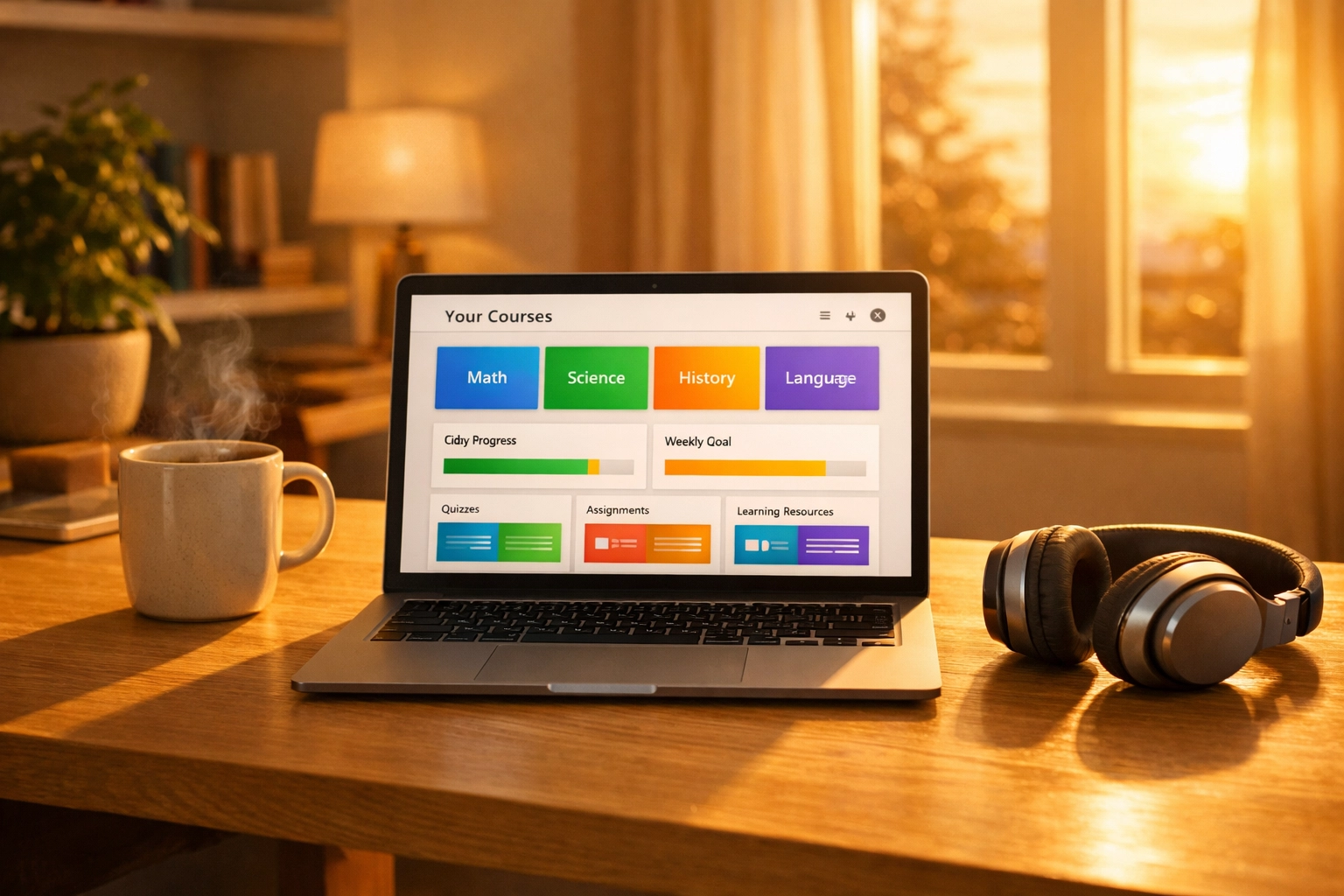
Project-Based Learning: FreeCodeCamp’s Data Analysis with Python
Theoretical knowledge is useless in data science if you can’t apply it to a messy dataset. FreeCodeCamp remains one of the most respected names in free education because they force you to build things.
Their Data Analysis with Python certification covers:
- Data Analysis with Python: Learning the libraries.
- Medical Data Visualizer: Visualizing real health data.
- Page View Time Series Forecasting: Predicting future trends based on historical data.
This is project-based learning at its finest. By the time you finish, you won’t just have a certificate; you’ll have a GitHub repository full of code that proves you can do the work.
The 2026 Data Science Learning Roadmap (Table)
To help you organize your time, here is a suggested 4-month path using only these free resources.
Essential Libraries You Must Master
As a beginner in 2026, you shouldn’t try to learn every library out there. Focus on the “Core Four”:
- NumPy: For numerical computing. It’s the foundation that almost everything else is built on.
- Pandas: The most important library for data scientists. If you can’t use Pandas, you can’t do the job. It handles your data tables (DataFrames).
- Matplotlib / Seaborn: For data visualization. Data science is 50% analysis and 50% storytelling. If you can’t show your findings in a clear graph, the analysis doesn’t matter.
- Scikit-Learn: Your entry point into Machine Learning. It’s beginner-friendly and incredibly well-documented.
How to Avoid “The Gap”: Kaggle and Real Datasets
A common mistake is only working with “clean” datasets provided by courses (like the famous Iris or Titanic datasets). In the real world of 2026, data is messy, incomplete, and often formatted incorrectly.
Kaggle is your best friend here. Beyond their famous competitions, their “Learn” section offers free micro-courses that are incredibly high-quality. Once you have the basics down from Harvard or Simplilearn, head to Kaggle to:
- Learn how to handle missing values.
- Learn feature engineering (creating new data points from existing ones).
- Interact with the community to see how pros approach the same problems you’re solving.
A Note on AdSense and Content Creation for Learners
If you’re documenting your journey: which I highly recommend: you might be thinking about starting a blog to share your progress. This is a great way to reinforce your learning (the “Feynman Technique”).
For those looking to monetize their learning blog in 2026, remember that AdSense approval has become stricter. Google now prioritizes “Helpful Content” and E-E-A-T (Experience, Expertise, Authoritativeness, and Trustworthiness). Don’t just post code snippets. Write about the problems you faced while learning and how you solved them. This unique perspective is what gets you approved for AdSense and builds an actual audience. Aim for at least 20-30 high-quality, long-form posts before applying for monetization.
Final Thoughts for the 2026 Beginner
Learning data science for free is 100% possible, but it requires discipline. In 2026, the barrier to entry isn’t access to information; it’s the ability to focus and filter out the noise. Start with Python basics, move into data manipulation, and never stop building projects.
The tools are free. The documentation is better than ever. The only thing missing is your consistent effort. So, pick a course from this list and write your first line of Python today.
About the Author