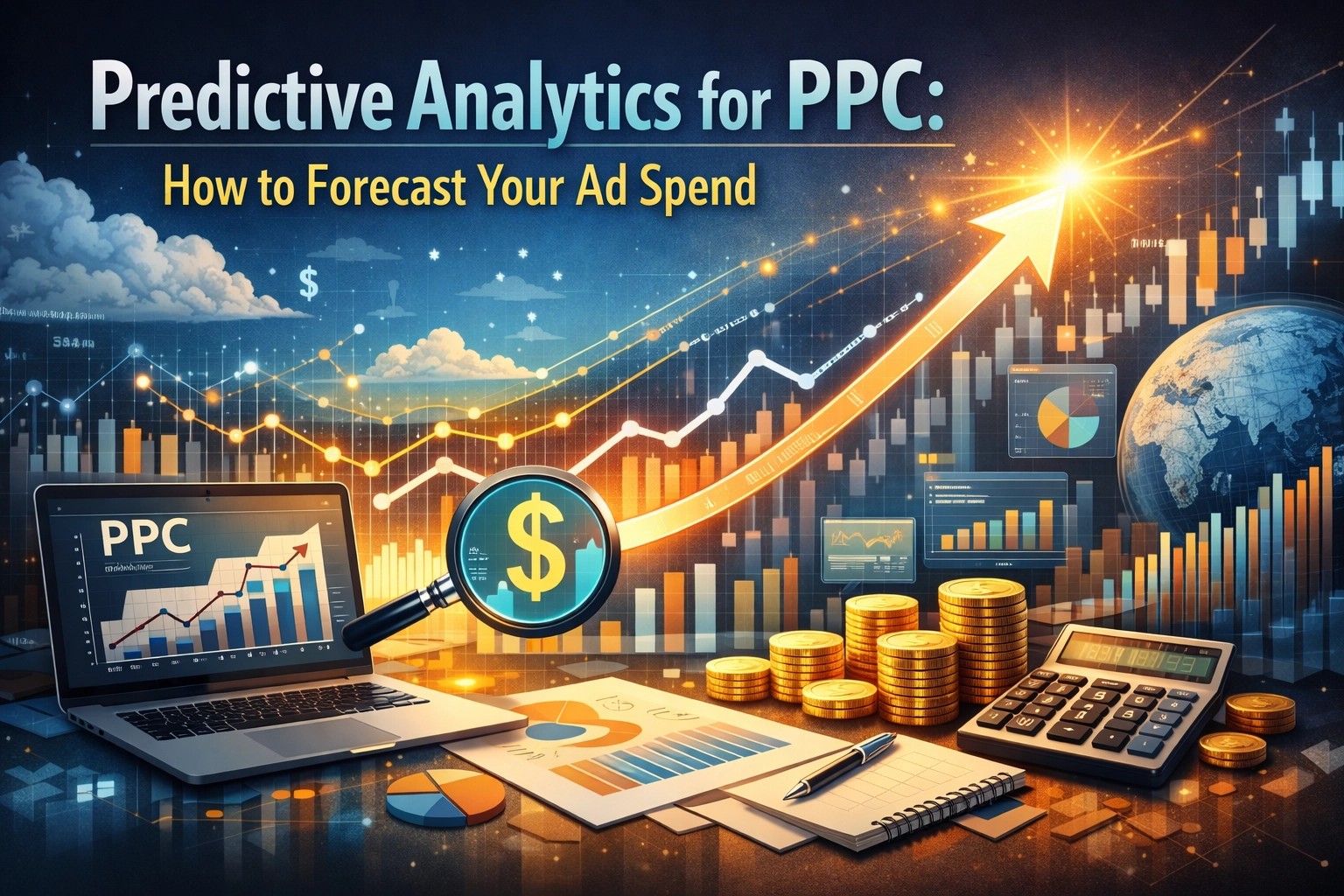
If you’re still managing your PPC budget using last year’s spreadsheets and a "gut feeling," you’re essentially donating your margins to Google and Meta. By 2026, the digital advertising landscape has shifted from reactive adjustments to proactive modeling. We aren't just looking at what happened yesterday anymore; we are using predictive analytics to dictate what will happen next month.
Predictive analytics in PPC isn't some futuristic jargon: it’s the standard for 2026. It involves using historical data, machine learning (ML), and statistical modeling to forecast future performance metrics like clicks, conversions, and total cost. This allows you to optimize your spend before a single cent leaves your account.
Why Predictive Analytics is Non-Negotiable in 2026
The PPC world has fundamentally changed. Privacy regulations have throttled traditional tracking, and the "cookieless" reality means data gaps are the norm. Predictive modeling fills these gaps. Instead of relying on 1:1 attribution: which is nearly impossible today: marketers use predictive systems to estimate the impact of their spend across fragmented journeys.
In 2026, PPC best practices center on "Anticipatory Marketing." If you can forecast that a specific keyword segment will spike in cost-per-acquisition (CPA) two weeks from now due to seasonal shifts or competitor behavior, you can reallocate that budget today. It’s the difference between being a pilot and being a passenger.
The Mechanics: How Predictive Models Forecast Spend
At its core, predictive analytics for PPC works by identifying patterns in massive datasets that are invisible to the human eye.
1. Data Aggregation (The Foundation)
To forecast accurately, your model needs more than just your Google Ads export. In 2026, we integrate:
- First-Party CRM Data: This is your most valuable asset. What happens after the click?
- Market Signals: Inflation rates, industry-specific trends, and even weather patterns (for local service businesses).
- Competitor Activity: AI-driven tools now scrape auction insights to predict when a competitor is likely to ramp up their spend.
- Historical Performance: Seasonal trends over a 3-year rolling window.
2. Machine Learning Algorithms
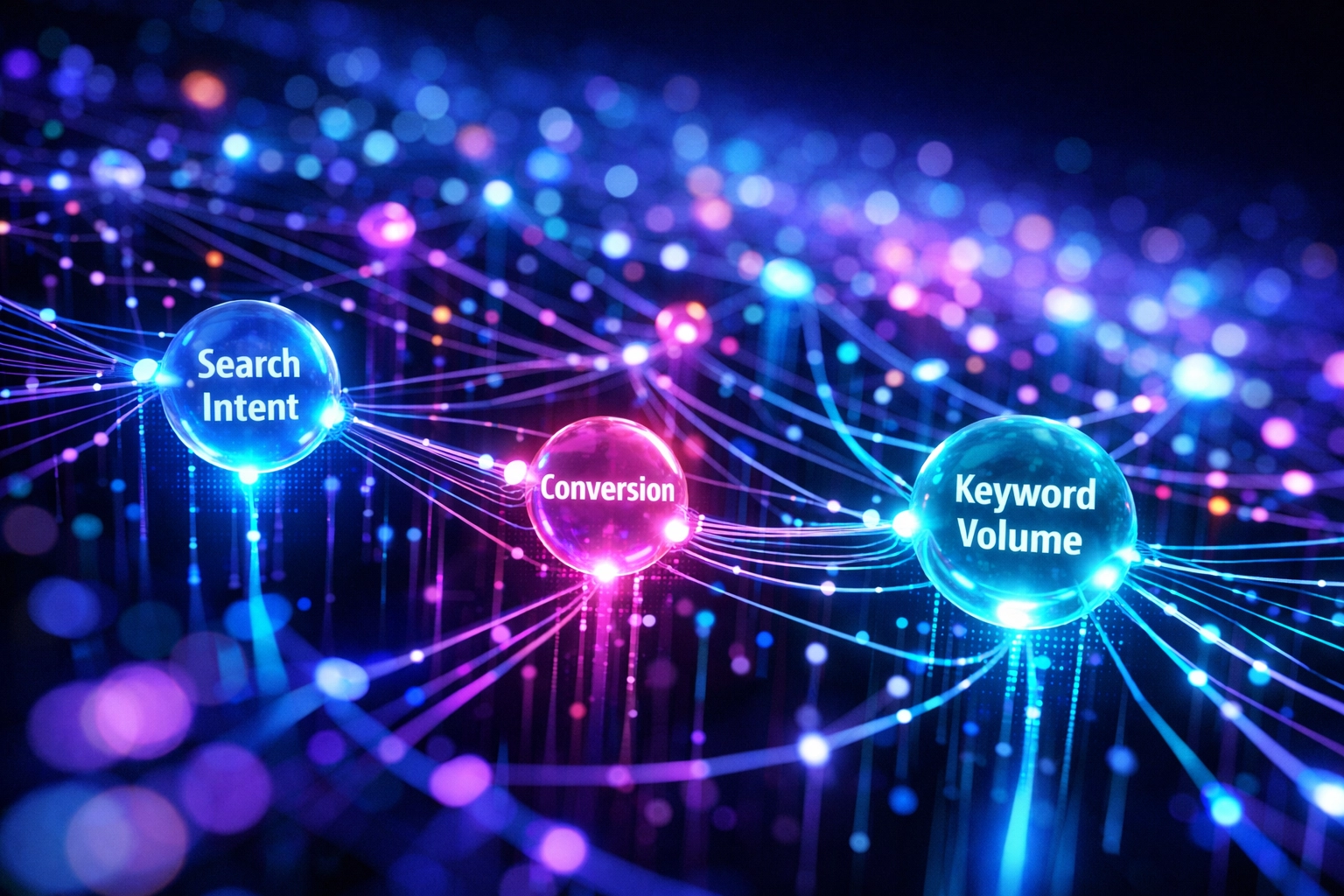
The heavy lifting is done by algorithms like Random Forests or Neural Networks. These models take your historical spend and conversion data and run thousands of simulations. They ask, "If we increase spend on 'LearnRise Python Course' by 20%, what is the most likely outcome based on 50 different variables?"
Key Metrics to Forecast
When building your 2026 PPC forecast, you aren't just looking at a single number. You need a multi-layered approach:
| Metric | What it Predicts | Why it Matters in 2026 |
|---|---|---|
| Predicted CTR | Expected engagement based on ad copy and audience. | Helps in adjusting Quality Score strategies before launch. |
| Forecasted CPC | The likely cost of traffic in upcoming auctions. | Essential for protecting margins against aggressive competitors. |
| Conversion Probability | The likelihood of a user converting based on real-time signals. | Shifts budget toward "High Intent" clusters. |
| Expected ROAS | The final return on every dollar spent. | The ultimate North Star for budget approval. |
Step-by-Step: How to Forecast Your Ad Spend
Ready to stop guessing? Here is the technical workflow for setting up a predictive spend model.
Step 1: Clean Your Data Pipeline
A model is only as good as the data you feed it. In 2026, this means ensuring your Server-Side Tracking is flawless. Since client-side cookies are dead, you must send conversion data directly from your server to the ad platforms. This "clean" data becomes the training set for your predictive model.
Step 2: Choose Your Modeling Approach
You don't need a PhD in Data Science, but you do need to choose a path:
- Platform-Native Tools: Google Ads and Meta have built-in "Performance Planner" tools. These are good for beginners but often biased toward spending more.
- Third-Party Predictive Software: Tools that sit on top of your accounts and provide unbiased spend recommendations.
- Custom Python Scripts: For high-volume advertisers, using libraries like
Prophet(developed by Meta) allows for highly customized time-series forecasting.
Step 3: Account for Seasonality and External Variables
A common mistake is assuming linear growth. In 2026, market volatility is the baseline. Your forecast must include "External Regressors": factors outside of your ads that influence performance. For LearnRise, this might be the start of the academic semester or the release of major tech industry reports.
PPC Best Practices for 2026: The Predictive Approach
To stay ahead, you need to integrate these strategies into your daily operations.
1. Shift to "Value-Based" Bidding
Stop bidding for clicks or even simple conversions. Use predictive analytics to estimate the Lifetime Value (LTV) of a lead. If your model predicts that a lead from a specific LinkedIn campaign has a 40% higher LTV than a Google Search lead, your bidding strategy should reflect that immediately, even if the initial CPA is higher.
2. Use Synthetic Data for Testing
In a privacy-first world, you won't always have a full dataset. Predictive models can generate "synthetic" data: statistical clones of your real customers: to run A/B tests in a simulated environment before you spend a dime of your actual budget.
3. Implement "Guardrail" Automation
Don't give the AI the keys to the kingdom. Set predictive guardrails. For example: "If the predicted CPA for the next 24 hours exceeds $50 based on real-time auction density, reduce bids by 30% automatically." This prevents the "spend spike" horror stories that still plague unmonitored accounts.
The Role of First-Party Data
We cannot overstate this: Your CRM is your forecasting engine. In 2026, the most successful PPC campaigns are those where the ad platform is "fed" offline conversion data. By telling the predictive model which leads actually turned into high-paying students for LearnRise, the model learns to forecast spend toward audiences that mirror those winners.
Overcoming the "Black Box" Problem
One of the biggest hurdles in predictive analytics is trust. It’s hard to justify a $100k monthly spend based on an algorithm you don’t understand. The solution is Explainable AI (XAI). When using predictive tools, look for features that explain why a forecast was made. Did it predict a spend increase because of a holiday, or because of a dip in competitor ad strength? Understanding the "Why" allows you to marry human intuition with machine precision.

Common Pitfalls to Avoid
- Over-reliance on Historical Data: If 2025 was an anomaly for your industry, using that data to forecast 2026 will lead to disaster. Always weight recent data more heavily.
- Ignoring the "Halo Effect": Predictive models often struggle with cross-channel influence. If your YouTube ads are driving "Direct" traffic, a narrow PPC model might suggest cutting YouTube spend because it doesn't see the direct ROI. Ensure your model accounts for multi-touch attribution.
- The "Set and Forget" Mentality: A predictive model is a living organism. It needs to be retrained monthly to stay accurate to the current market.
Conclusion: The Future is Predicted, Not Guessed
Forecasting your PPC spend in 2026 is no longer about looking in the rearview mirror. It’s about using every scrap of data: from CRM signals to global market trends: to build a map of the road ahead. By adopting predictive analytics, you move from a state of constant reaction to a position of strategic power.
You’ll know what you’re going to spend, what you’re going to get, and exactly where your next customer is coming from: long before they even click your ad.
About the Author: Malibongwe Gcwabaza
Malibongwe Gcwabaza is the CEO of blog and youtube and a leading voice in the intersection of AI and digital marketing strategy. With over a decade of experience navigating the shifting tides of PPC and data analytics, Malibongwe focuses on helping businesses leverage emerging technologies to drive measurable growth. When not dissecting algorithm updates, he is dedicated to building LearnRise into the premier destination for modern digital education.
About the Author