If you’re running a small business in 2026, you already know the digital landscape is crowded. It feels like every time you open a browser, a massive national brand is trying to outspend you for the same keywords. But here’s the secret: they might have the bigger budget, but you have the home-field advantage.
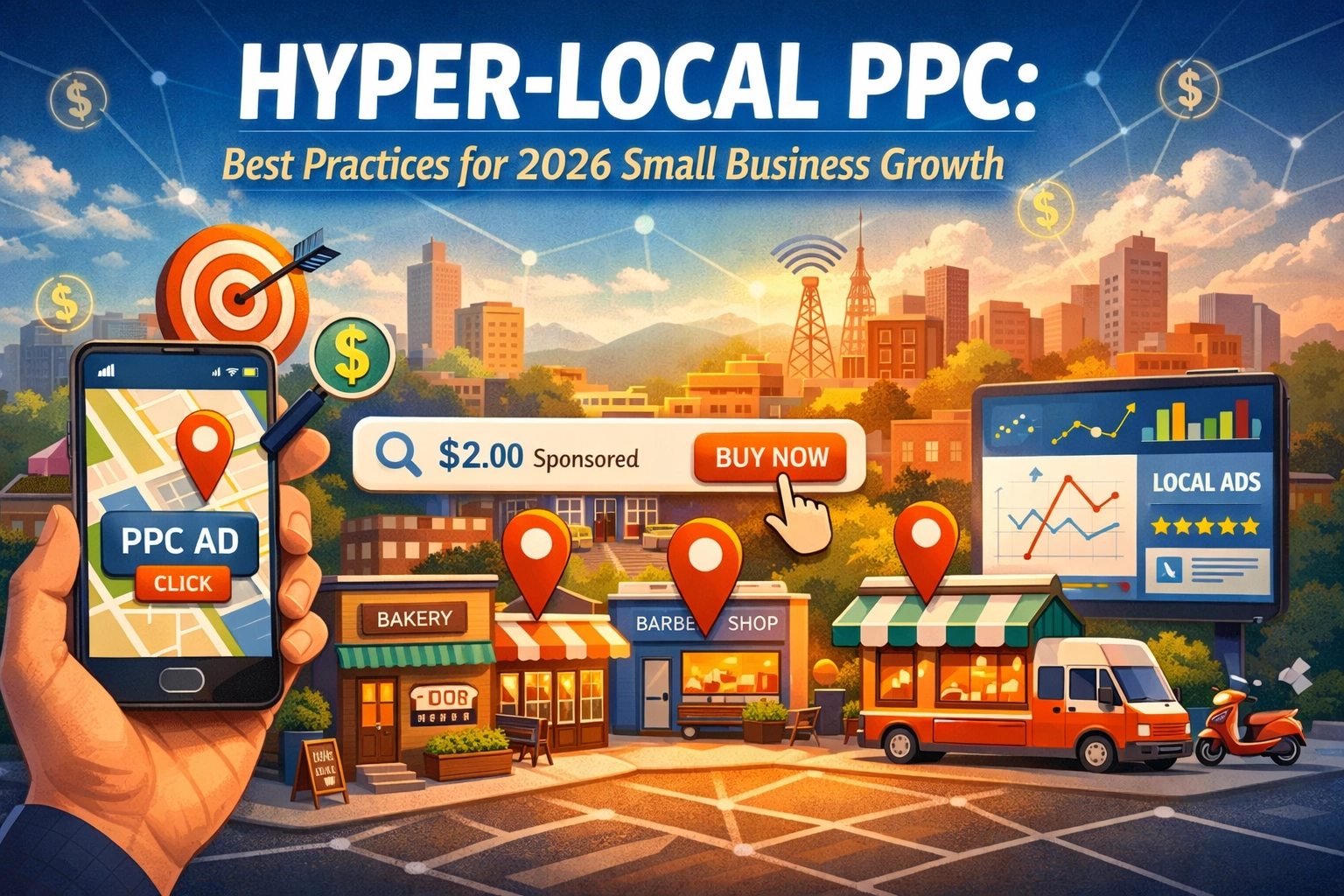
In 2026, broad-brush advertising is a fast way to burn through your cash. The winners are the ones getting surgical with their targeting. We’re talking about hyper-local PPC: the practice of narrowing your ad focus so tightly that you’re only showing up for the people who are literally walking past your storefront or living within a five-minute drive.
If you want to stop wasting money on clicks from three towns over and start driving actual foot traffic, you need to master these PPC best practices for 2026.
The Precision Era: Why Hyper-Local is the Only Way Forward
Back in the day, setting your location to "within 20 miles" was considered "targeting." In 2026, that’s just lazy. Hyper-local PPC is about intent and proximity. It’s the difference between showing an ad to someone "interested in coffee" and showing an ad for a "double espresso" to someone standing 300 feet away from your cafe at 8:00 AM.
The cost per click (CPC) on broad terms has skyrocketed. Large corporations can afford to pay for brand awareness, but as a small business owner, every cent needs to result in a lead or a sale. By shrinking your radius, you’re not just saving money; you’re increasing your relevance. Higher relevance leads to better Quality Scores, which leads to lower costs. It’s a win-win.
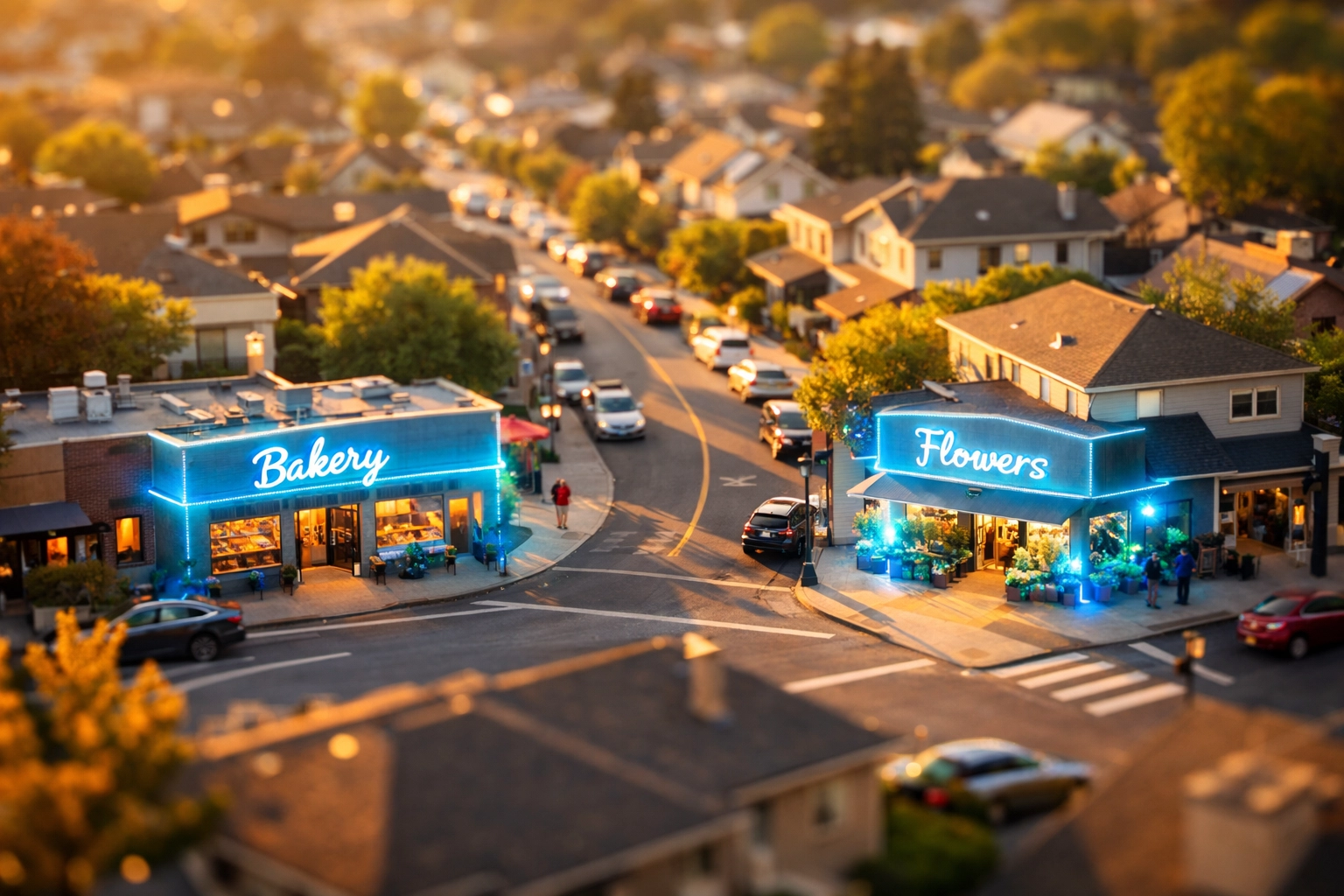
1. Geo-Fencing: Setting Your Digital Perimeter
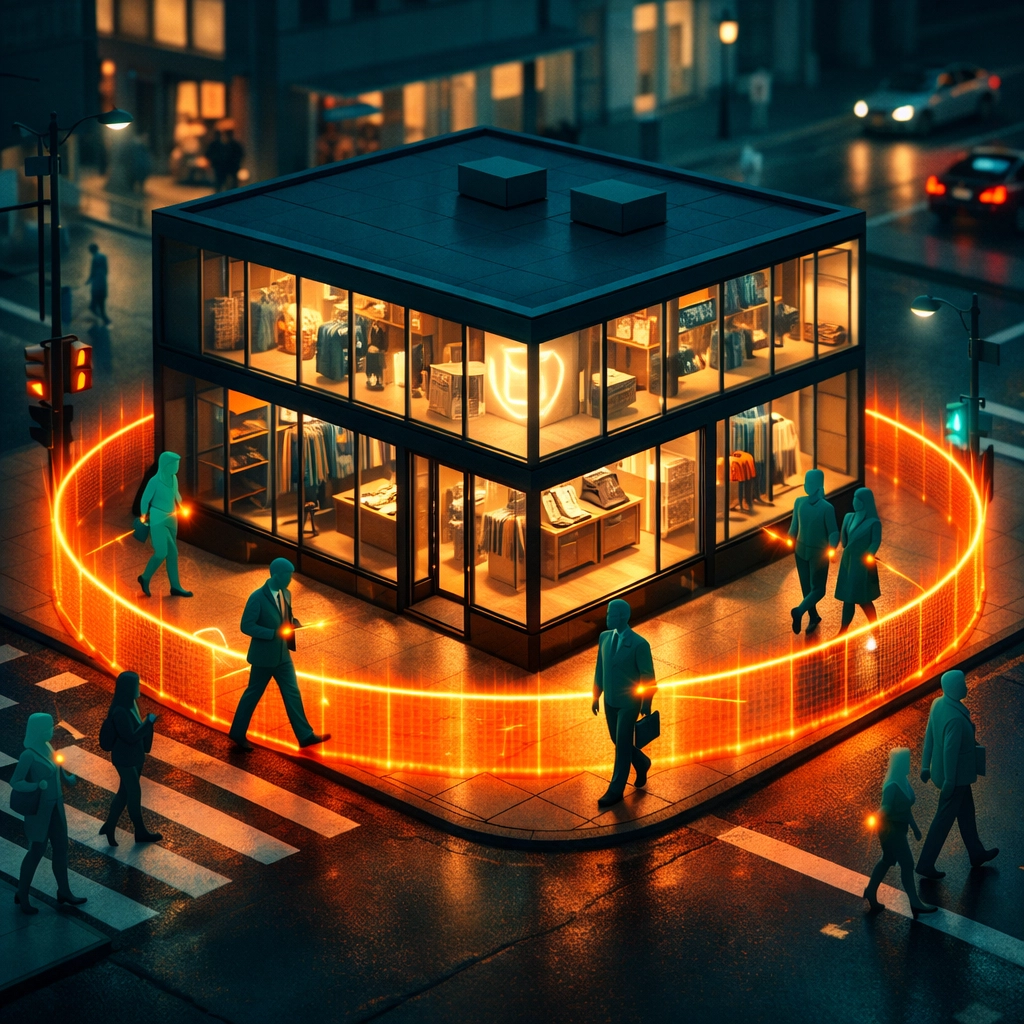
Geo-fencing isn’t new, but the way we use it in 2026 has evolved. Modern geo-fencing allows you to draw a virtual boundary around specific locations: competitor stores, event centers, or high-traffic neighborhoods: and serve ads only to people within that boundary.
How to Use it for Growth:
- The Competitor Conquest: Draw a fence around your biggest competitor’s location. When a customer is browsing their aisles or sitting in their waiting room, your ad pops up with a "Better Value" or "First-Time Customer" offer.
- Event-Based Targeting: If there’s a local festival or trade show, fence the venue. You can capture the attention of thousands of high-intent people who are physically present in your area for a limited time.
- Dynamic Radius Bidding: Don't just set one radius. Set a 1-mile, 3-mile, and 5-mile circle. Bid the most aggressively for the 1-mile circle (the people most likely to walk in) and taper your bids as the distance increases.
2. Local Services Ads (LSAs): The Trust Shortcut
If you’re in a service-based industry: think plumbers, lawyers, cleaners, or HVAC: Local Services Ads are your best friend. In 2026, these sit at the very top of the Google search results, even above traditional PPC ads.
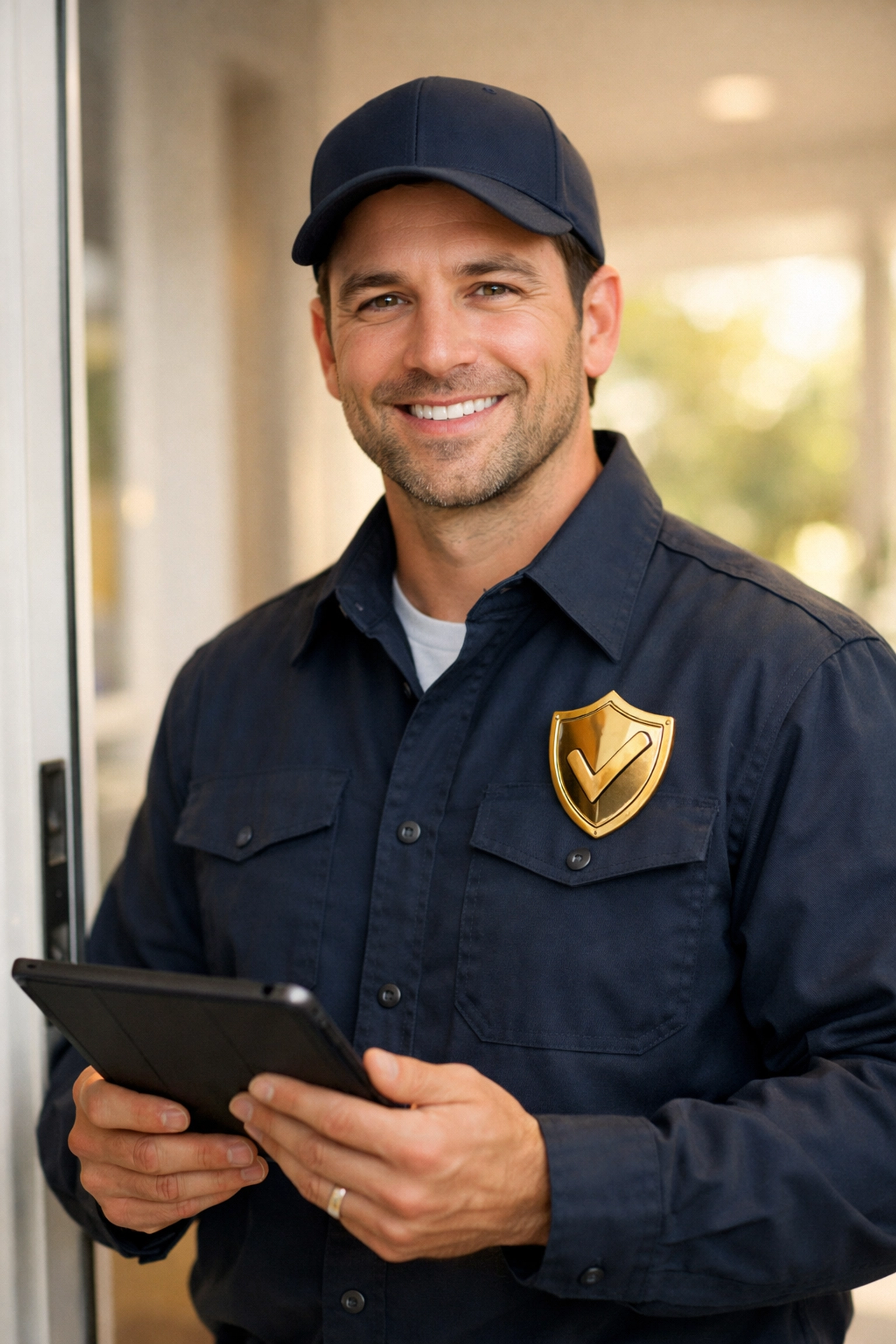
The "Google Guaranteed" or "Google Screened" badge that comes with LSAs is the ultimate trust signal. For a small business, this badge acts as a shortcut to credibility. The best part? You don’t pay for clicks; you pay for leads. If someone calls you or sends a message through the ad, that’s when you pay.
LSA Best Practices:
- Keep Your Profile Fresh: Google prioritizes businesses that respond quickly. If you let calls go to voicemail or ignore messages, your ranking will tank.
- Focus on Reviews: Your star rating is displayed prominently. Make it a part of your daily workflow to ask happy customers for a Google review immediately after the job is done.
- Localized Headings: Use specific neighborhood names in your service area settings. People don’t just want a "Plumber in New York"; they want a "Plumber in Brooklyn Heights."
3. Intent-Driven Campaign Structures
A major mistake small businesses make is lumping all their keywords into one giant bucket. To win at PPC in 2026, you need to segment your campaigns based on user intent.
| Campaign Type | Goal | Strategy |
|---|---|---|
| Service-Specific | High Conversion | Target "Emergency Roof Repair" or "Organic Dog Grooming." |
| Location-Specific | Foot Traffic | Target "Best Pizza in [Neighborhood Name]" or "Gym near [Street Name]." |
| Brand Protection | Customer Loyalty | Bid on your own business name so competitors don't steal your repeat customers. |
By separating these, you can allocate your budget where it’s performing best. If your "Emergency" keywords are driving the most profit, you can shift money there in real-time.
4. Driving Foot Traffic with "Near Me" Optimization
The phrase "near me" is still the king of local search. In 2026, Google’s AI is incredibly smart at determining a user's exact location, but you still need to help it along.
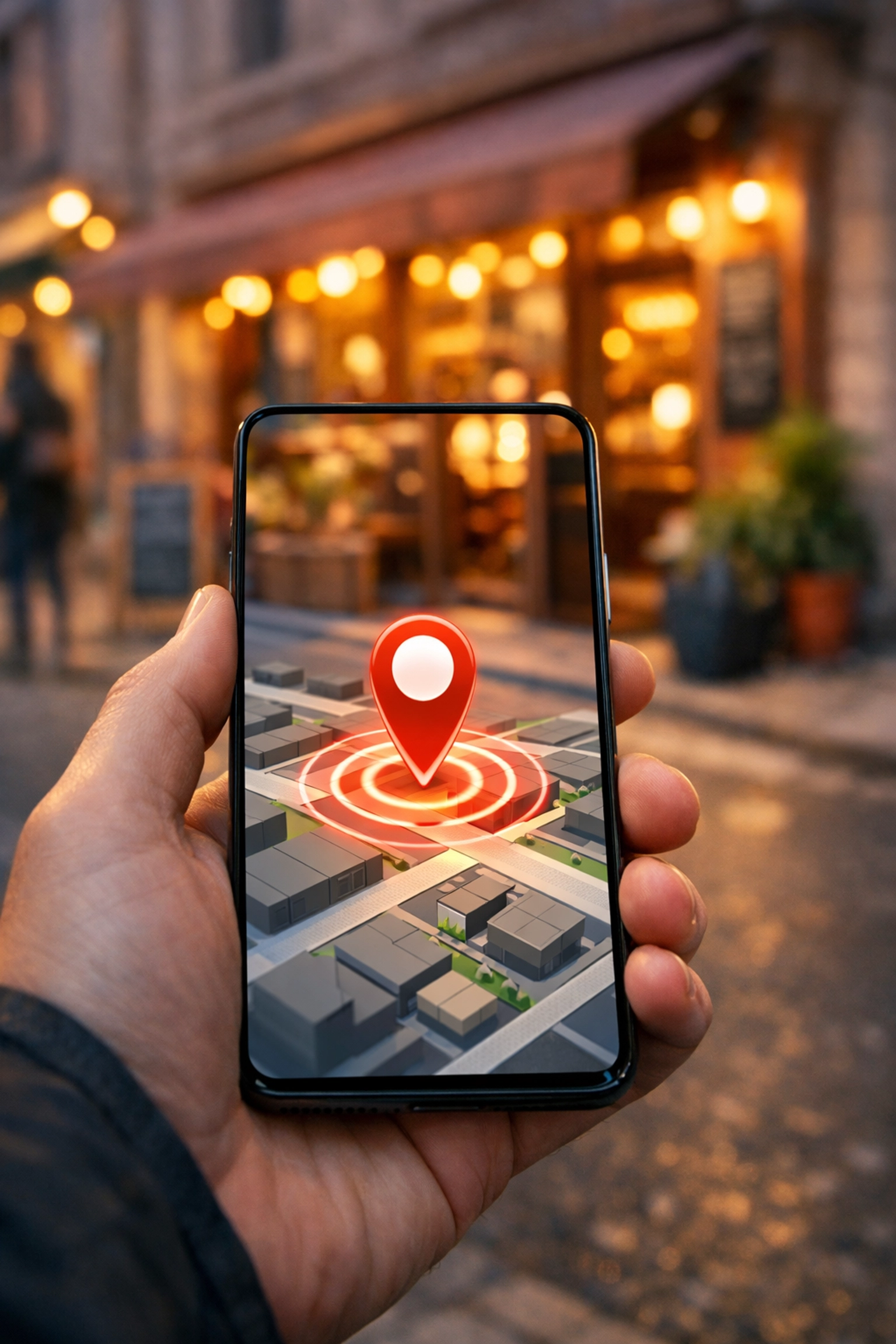
To drive foot traffic, your ads should include Location Extensions. This shows your address, phone number, a map marker, and the distance to your business directly in the ad.
Pro-Tip: Use "Open Now" Filters
If your business is open while your competitors are closed, capitalize on it. Use ad scheduling to bid higher during your operating hours and use copy like "Open Now – Get Here in 5 Minutes" to capture that immediate need.
5. The Landing Page: Where the Magic (or Tragedy) Happens
You can have the best ad in the world, but if your landing page sucks, you’re just donating money to Google. A generic homepage is not a landing page. For a hyper-local campaign, your landing page needs to feel like it was built specifically for that neighborhood.
Elements of a High-Converting Local Landing Page:
- Local Social Proof: Instead of generic testimonials, use reviews from people in that specific area. "Sarah from Downtown loved our service!"
- Visual Cues: Include a map of your location and photos of the outside of your building. This builds familiarity before the customer even arrives.
- Mobile-First Design: 90% of local searches happen on mobile. If your page takes more than two seconds to load or the "Call Now" button is hard to find, you’ve lost the lead.
- Click-to-Call and Directions: Make it incredibly easy for people to contact you or start a GPS route to your store with a single tap.
6. Tracking the "Offline" Conversion
One of the biggest challenges for small businesses is knowing if a digital ad actually resulted in a physical walk-in. In 2026, we have better tools for this than ever before.
By using Store Visit Conversions, Google uses anonymized data from users who have "Location History" turned on to estimate how many people clicked your ad and then physically entered your store. While not 100% perfect, it gives you a much clearer picture of your ROI than just looking at clicks.
You should also use unique coupon codes in your ads. Tell customers to "Mention this ad for 10% off" or provide a unique QR code they can scan at the register. This is the simplest, most effective way to track foot traffic directly back to your PPC spend.
7. AI and Smart Bidding: Trust, but Verify
AI is doing a lot of the heavy lifting in PPC these days. Tools like Performance Max (PMax) can be great for small businesses because they automate a lot of the targeting. However, the "set it and forget it" mentality is dangerous.
How to Manage AI in 2026:
- Set Strict Geo-Boundaries: AI loves to find "similar audiences," which might lead it to show your ads to people 50 miles away because they "look like" your customers. Keep your location settings locked down tight.
- Negative Keyword Lists: Regularly check your search term reports. AI might think someone searching for "how to fix a pipe" wants to hire a plumber, but they might just be looking for a DIY video. Add "how to," "DIY," and "free" to your negative keyword list to save your budget for paying customers.
- First-Party Data: Feed your CRM data (email lists of past customers) back into the PPC platform. This helps the AI learn exactly what a "good" lead looks like for your specific business.
Common Pitfalls to Avoid
Even with the best intentions, it's easy to slip up. Avoid these common local PPC traps:
- Over-Targeting: If your radius is too small (like a two-block radius in a rural area), your ads might never run because the audience size is too low. Find the sweet spot.
- Generic Ad Copy: Don't just say "We Are the Best." Say "Proudly Serving [Neighborhood] for 20 Years."
- Ignoring the Weekend: Many small businesses turn their ads off on weekends to save money. But for many industries, the weekend is when people are actually out and about, searching for places to go.
Final Thoughts
Hyper-local PPC is about being the "big fish in a small pond." By focusing your 2026 PPC best practices on precision, trust, and local relevance, you can outmaneuver the giants and dominate your neighborhood. Start small, track everything, and scale the winners.
The customers are literally right outside your door: you just need to show them the way in.
About the Author: Malibongwe Gcwabaza
Malibongwe is the CEO of blog and youtube and a passionate advocate for small business growth. With over a decade of experience in digital marketing, he focuses on making complex strategies simple and actionable for entrepreneurs. When he's not diving into data, you can find him exploring local coffee shops (and checking their geo-fencing ads, of course).
About the Author