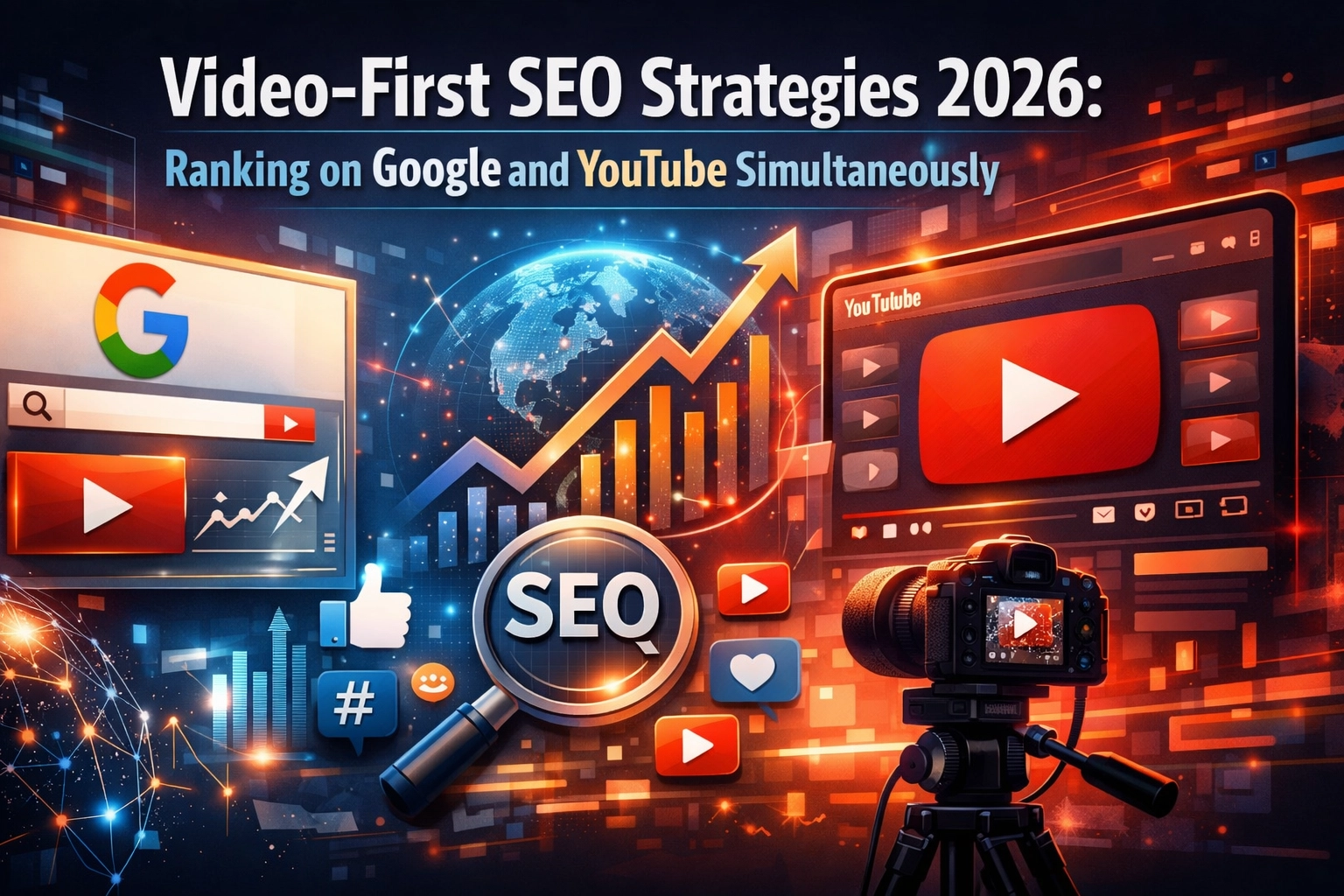
By 2026, the line between a "search engine" and a "video platform" has essentially vanished. If you’re still treating YouTube as a social media site and Google as a text-only repository, you’re losing traffic to competitors who understood the shift years ago.
Google’s Search Generative Experience (SGE) and AI-driven overviews now prioritize video content more than ever. When a user asks a "how-to" or "why" question, Google doesn't just want to show them a paragraph of text; it wants to show them the exact ten seconds of a video that answers their query. This is the era of video-first SEO. To win, you need a strategy that feeds both the YouTube algorithm and Google’s crawlers at the same time.
The Death of the "Keyword-First" Mentality
For decades, SEO was about finding a keyword and writing a 2,000-word article around it. In 2026, we’ve moved to a "Context-First" model. Google and YouTube’s AI models (like Gemini and GPT-5) don't just look for word matches; they analyze the audio, the visual frames, and the user sentiment.
A video-first strategy means your content creation starts with a high-quality video that is then structured to be parsed by AI. If your video is clear, authoritative, and well-structured, Google will reward you with "Key Moments" in search results, and YouTube will push you into the "Suggested" feeds of your target audience.
The Pillar-and-Cluster Model for Video
One of the most effective SEO strategies in 2026 is the Topic Cluster approach adapted for video. Instead of making random videos, you create a content ecosystem.
- The Pillar Video: This is a comprehensive, deep-dive video (usually 20–30 minutes) covering a massive topic. For example, "The Ultimate Guide to Remote Leadership in 2026."
- The Support Clusters: Around that pillar, you create 8 to 12 shorter videos (5–10 minutes) that dive into specific sub-topics mentioned in the pillar.
By linking these together in descriptions and playlists, you tell both algorithms that you are a "Subject Matter Expert." Research shows that this structure can increase total session watch time by 300% to 500%. It forces the viewer to stay within your ecosystem, which is the number one signal YouTube uses to promote content.

Optimizing for the "First 40" and "Above the Fold"
Despite AI’s ability to "see" your video, metadata still matters for indexing. However, the way we write it has changed.
Titles: The 40-Character Rule
In 2026, mobile search is the dominant way people consume video. YouTube and Google often truncate titles after the first 40 characters. Your primary keyword and your "hook" must appear at the very beginning. Forget the clickbait of 2022; focus on clarity. Interestingly, data suggests only 6% of top-ranking videos use exact keyword matches in titles. Use natural language that sounds like a human talking, not a bot.
Descriptions: The Value Proposition
Your video description isn't a place to dump 50 hashtags. The first 2 or 3 lines, the part visible before a user clicks "Show more", are vital.
- Line 1: The primary value proposition (what will they learn?).
- Line 2-3: Naturally incorporated secondary keywords and a call to action.
Google uses these snippets to understand the context of your video for its AI-generated search summaries.
Technical Execution: Chapters and Structured Data
If you want to rank on Google and YouTube simultaneously, you have to make it easy for the robots.
Video Chapters
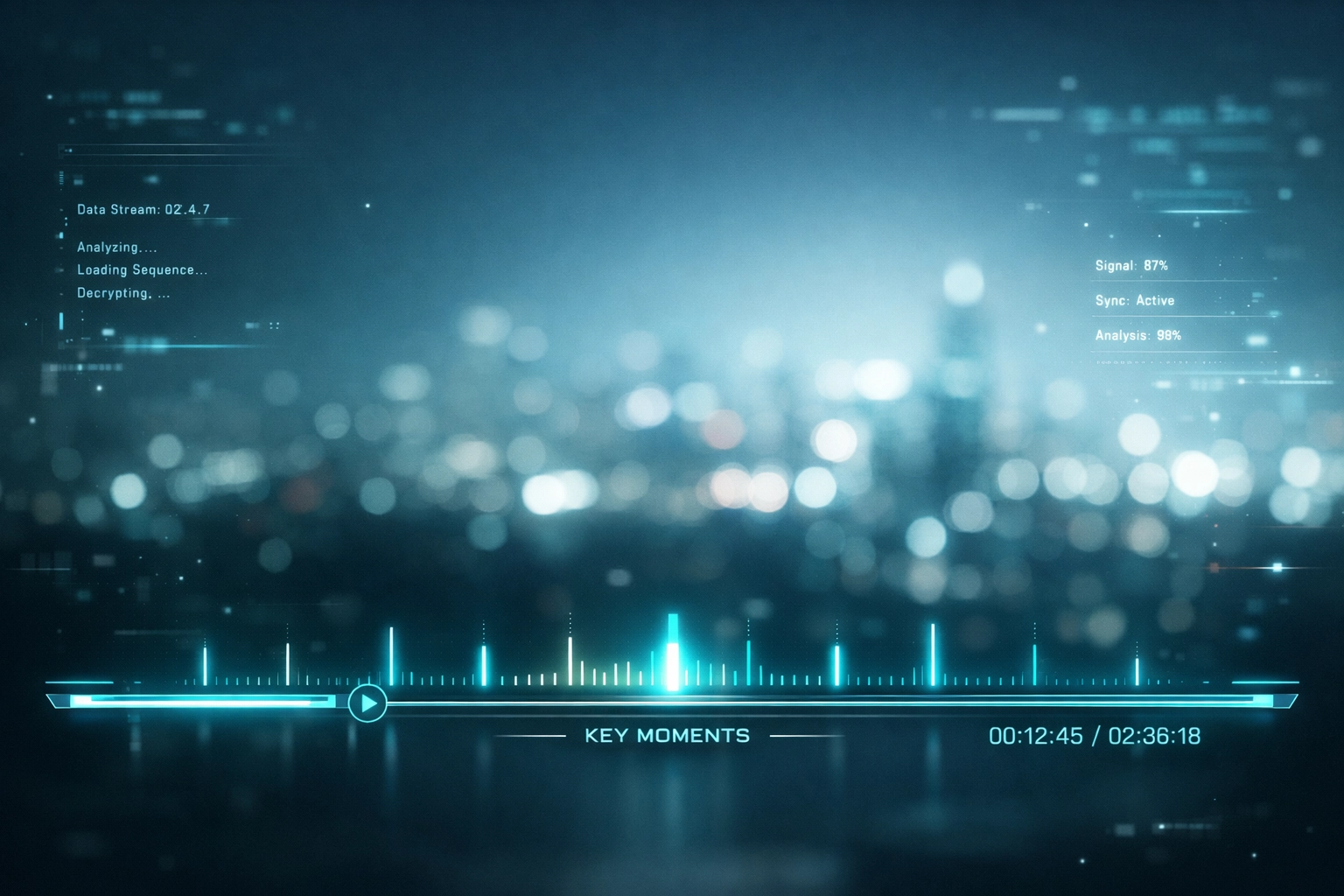
Chapters are the secret weapon of 2026. By adding timestamps in your description, you allow Google to display "Key Moments" directly in the SERPs (Search Engine Results Pages). This allows a user to skip directly to the 4-minute mark of your video from a Google search page. If your video is a tutorial, every step should be a chapter. If it's a discussion, every new talking point should have a timestamp.
VideoObject Schema
On your actual blog or website, where you embed these videos, you must use VideoObject Schema. This is a piece of code that tells Google's crawlers: "Hey, there is a video here. It is 12 minutes long, it was uploaded on March 18, 2026, and here is the thumbnail." This structured data makes your site eligible for rich snippets, which have a significantly higher click-through rate than standard blue links.
The Multi-Format Ecosystem: Repurposing for Power
You shouldn't just upload a video and walk away. To maximize SEO, every video needs a "home" on your website.
The 2026 Repurposing Workflow:
- The Video: Uploaded to YouTube with full SEO optimization.
- The Article: A 1,200+ word blog post on your site that embeds the video. This shouldn't just be a transcript. It should be an expanded version of the video’s content with headers, bullet points, and data.
- The Transcript: A separate, hidden, or expandable section for Google’s crawlers to index every word spoken in the video.
- The Micro-Content: Take the "Key Moments" and turn them into YouTube Shorts and Instagram Reels. Link these back to the main video.
This creates a "surround sound" effect. No matter where your audience is searching: Google, YouTube, or social feeds: they find a version of your content.
Engagement Signals: Beyond the View Count
In 2026, a "view" is a vanity metric. Google and YouTube care about Satisfied Watch Time.
- The First 30 Seconds: You need to answer the user's intent immediately. If they searched for "How to fix a leaky faucet," and you spend three minutes talking about your weekend, they will bounce. High bounce rates tell the algorithm your content isn't helpful.
- Pinned Comments: Use a pinned comment to start a conversation or ask a specific question. Engagement (comments/likes) is a huge signal for YouTube’s "Trending" and "Suggested" algorithms.
- Playlists: Strategic playlists with autoplay enabled increase the likelihood of a "binge session." YouTube loves creators who keep users on the platform.
Maintaining Authority: The Refresh Strategy
SEO isn't a "set it and forget it" game. The most successful channels in 2026 are those that treat their video library like a garden.
You should audit your top-performing videos every 12 to 18 months. If a video about "SEO Strategies" is two years old, it's likely outdated. You don't necessarily need to film a whole new video. You can:
- Update the title to include the current year.
- Refresh the thumbnail to match current design trends (custom thumbnails with faces and clear text still outperform generic ones by 40%).
- Update the description with new links and more relevant keywords.
This "freshness" signal tells Google that the information is still relevant, preventing your rankings from decaying.
Conclusion: The Synergy of Video and Text
Winning at SEO in 2026 requires a hybrid approach. Text provides the depth and technical indexability that Google loves, while video provides the engagement and "human" signals that YouTube craves. When you combine the two: embedding optimized videos into high-quality, long-form articles: you create a content powerhouse that is almost impossible to outrank.
Stop thinking about YouTube and Google as separate entities. They are two sides of the same coin. Create content that serves the user first, optimize it for the machines second, and keep your ecosystem tightly linked. That is how you dominate the search results in 2026.
About the Author: Malibongwe Gcwabaza
Malibongwe Gcwabaza is the CEO of blog and youtube, a digital media firm specializing in the intersection of AI-driven content and video search. With over a decade of experience in the evolving landscape of SEO, Malibongwe focuses on helping brands build sustainable, high-authority digital footprints through simple yet effective content strategies. When he isn't dissecting the latest algorithm updates, he's exploring the future of microlearning and video advertising.
About the Author