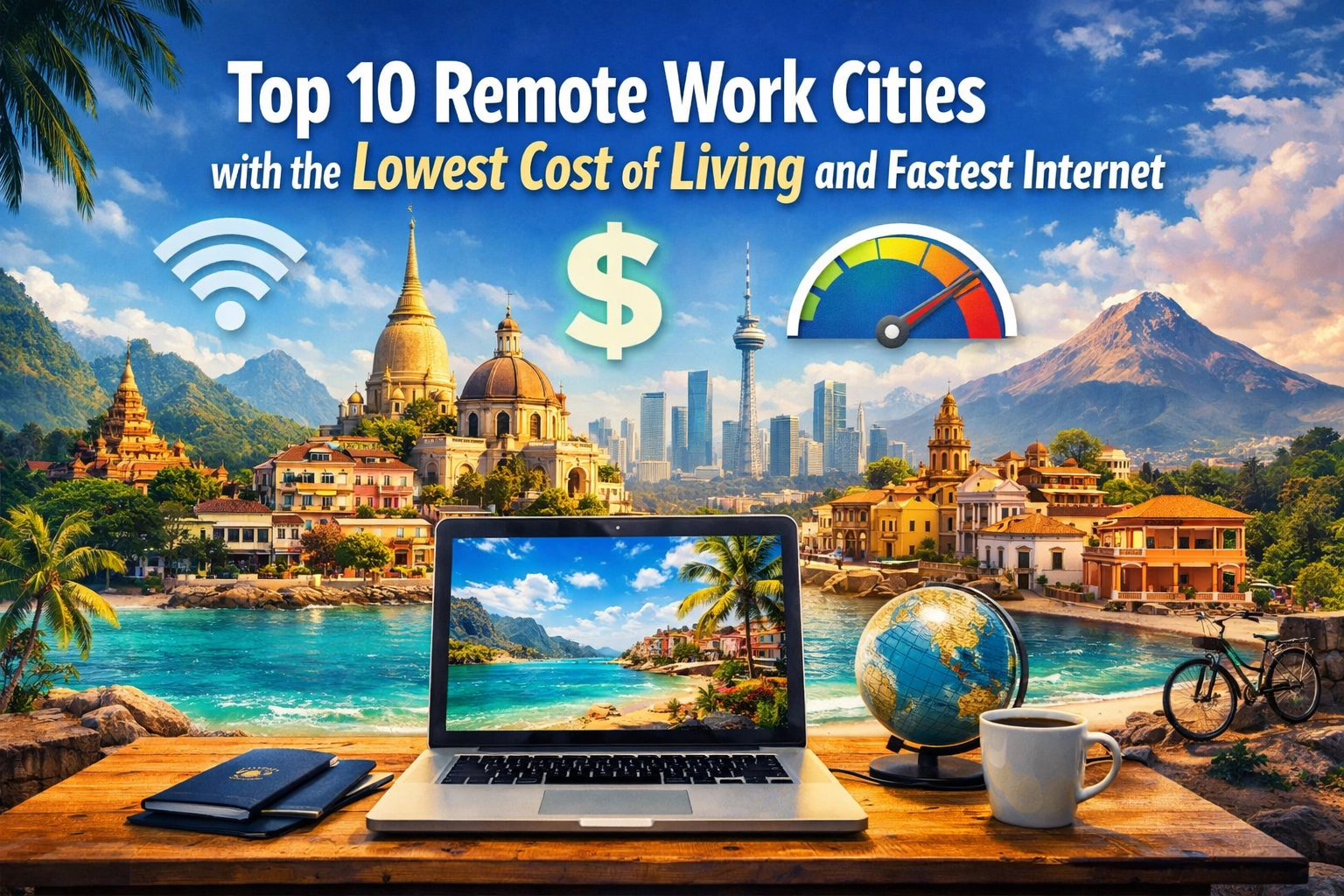
The 2026 remote work landscape is no longer defined by simply "working from home." It is defined by "working from anywhere that doesn't eat 70% of your paycheck." As decentralized autonomous organizations (DAOs) and AI-integrated workflows become the standard, the physical location of a professional is less about proximity to a corporate office and more about the quality of the local infrastructure and the cost-to-income ratio.
To find the "Goldilocks" zone for remote work, we analyzed over 50 global cities based on three critical metrics: the "Speed-to-Rent Ratio" (megabits per dollar spent), the availability of fiber-optic infrastructure (essential for low-latency AI tool execution), and the local Purchasing Power Parity (PPP).
Here are the top 10 cities where your dollar goes the furthest without your Zoom call dropping.
1. Bucharest, Romania
Bucharest has long been the "hidden secret" of the European tech scene. In 2026, it remains a powerhouse for remote workers who prioritize raw bandwidth. Romania consistently ranks in the top five globally for fixed broadband speeds.
- Average Internet Speed: 500 Mbps – 1 Gbps (Symmetric)
- Monthly Cost of Living: $1,200 – $1,500
- The Technical Edge: Bucharest’s infrastructure is built on a neighborhood-level fiber optic network. This means even older apartments often have direct-to-home fiber. For those working in data-heavy fields like machine learning or video editing, the low latency (under 5ms locally) is a game-changer.
- The Lifestyle: A vibrant, gritty, yet safe urban environment with a booming specialty coffee scene and some of the fastest 5G coverage in the EU.
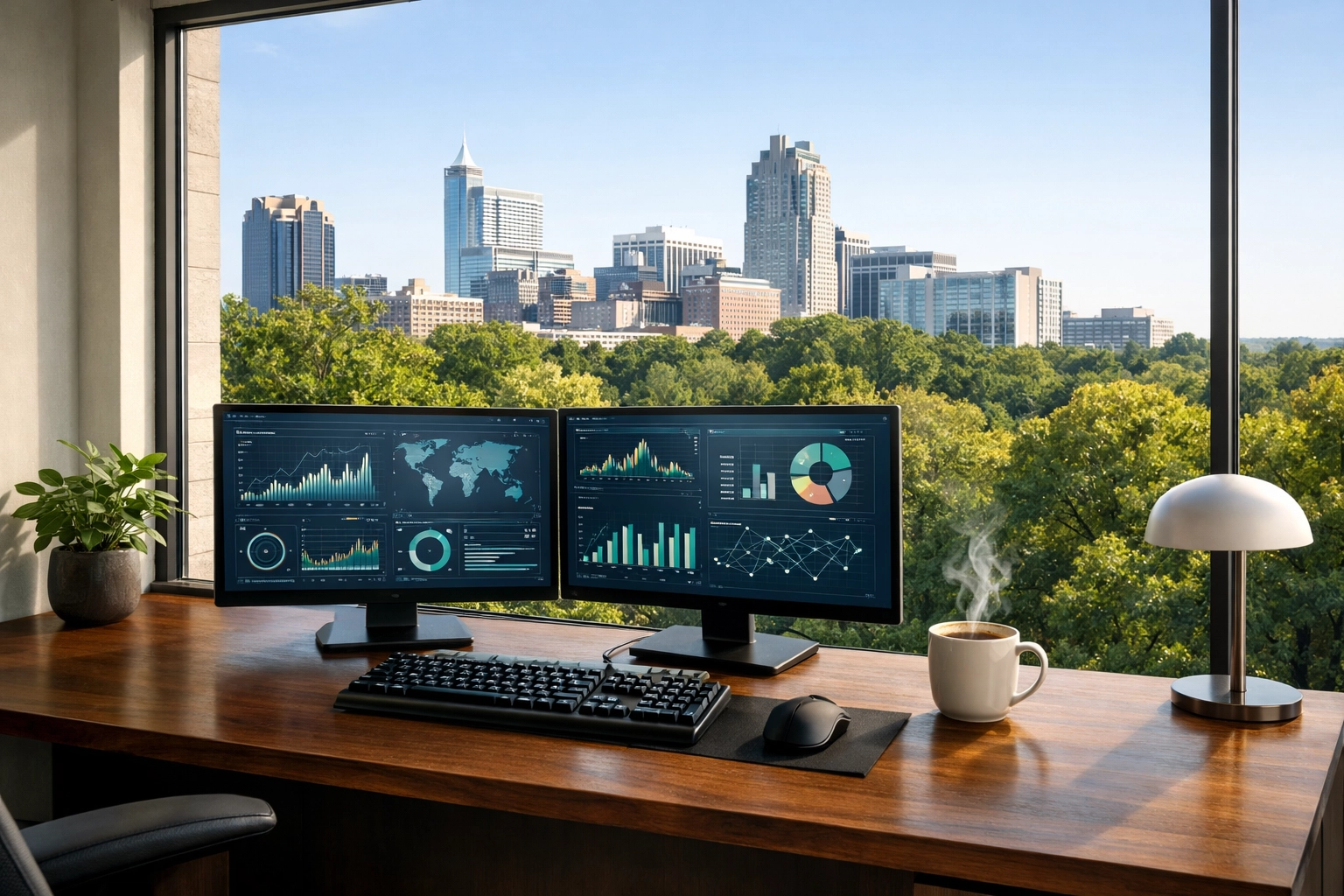
2. Raleigh, North Carolina, USA
If you want to stay within the United States but escape the astronomical rents of San Francisco or New York, Raleigh is the peak choice. As the anchor of the Research Triangle Park (RTP), its infrastructure is designed for high-end engineering.
- Average Internet Speed: 1 Gbps (Google Fiber & AT&T Fiber)
- Monthly Cost of Living: $2,100 – $2,400
- The Technical Edge: Raleigh is one of the few mid-sized US cities where fiber is the rule, not the exception. The local government has heavily subsidized tech corridors, ensuring that residential speeds match enterprise-grade connections.
- The Lifestyle: You get access to world-class university libraries, tech meetups, and plenty of green space, all while paying roughly 40% less in rent than you would in Austin or Seattle.
3. Tbilisi, Georgia
Tbilisi has emerged as a post-pandemic favorite for digital nomads, largely due to its "Individual Entrepreneur" tax status, which offers a 1% tax rate for those earning up to $155,000 annually.
- Average Internet Speed: 100 Mbps – 300 Mbps
- Monthly Cost of Living: $900 – $1,200
- The Technical Edge: While raw speeds are lower than Bucharest, Georgia’s investment in Starlink ground stations and local fiber expansion has stabilized the network. It’s the perfect spot for "asynchronous" workers who value legal and tax optimization over 8K streaming capabilities.
- The Lifestyle: Georgian hospitality, incredible wine, and a cost of living that allows a mid-level developer to live like a high-level executive.
4. Tulsa, Oklahoma, USA
Tulsa isn't just a city; it’s a case study in how to attract remote talent. The "Tulsa Remote" program, which offers $10,000 to eligible remote workers to move there, has turned the city into a buzzing hub of tech-savvy transplants.
- Average Internet Speed: 300 Mbps – 1 Gbps
- Monthly Cost of Living: $1,800 – $2,100
- The Technical Edge: The median rent in Tulsa is roughly $839, meaning your "Speed-to-Rent" ratio is one of the highest in North America. The city has invested heavily in coworking spaces like 36 Degrees North, which provides redundant gigabit connections.
- The Lifestyle: A surprisingly deep arts scene and a community specifically designed to integrate remote workers.
5. Chiang Mai, Thailand
The "Digital Nomad Capital of the World" has upgraded its infrastructure significantly for 2026. While it was once known for "shaky" café Wi-Fi, the city is now a fiber-optic fortress.
- Average Internet Speed: 200 Mbps – 1 Gbps
- Monthly Cost of Living: $800 – $1,300
- The Technical Edge: Thailand’s AIS and True providers offer symmetrical fiber packages for under $30 USD a month. The reliability in the Nimman and Santitham areas is now comparable to major Western hubs.
- The Lifestyle: World-class street food, a massive community of AI prompt engineers and e-commerce founders, and proximity to some of the world's best nature.
6. Knoxville, Tennessee, USA
Knoxville offers a unique blend of Southern charm and high-speed utility. It serves as a gateway to the Great Smoky Mountains while maintaining a tech infrastructure supported by the nearby Oak Ridge National Laboratory.
- Average Internet Speed: 1 Gbps (EPB Fiber is nearby, and local municipal fiber is expanding)
- Monthly Cost of Living: $1,900 – $2,300
- The Technical Edge: Municipal broadband initiatives in Tennessee have created a competitive environment that keeps prices low and speeds high. Knoxville’s median rent remains significantly lower than the national average at around $883.
- The Lifestyle: Ideal for the "outdoorsy" remote worker who wants to go for a hike at 5:00 PM after finishing a day of high-bandwidth cloud architecture work.
7. Mexico City (CDMX), Mexico
Mexico City is the ultimate "Time Zone Arbitrage" play for North American workers. You get a world-class metropolis on Central Standard Time without the US price tag.
- Average Internet Speed: 200 Mbps – 500 Mbps (Totalplay & Izzi)
- Monthly Cost of Living: $1,500 – $2,200
- The Technical Edge: The key in CDMX is selecting neighborhoods like Polanco, Roma Norte, or Condesa, where fiber-to-the-node is standard. Many modern apartments now offer "double-WAN" setups (fiber + 5G backup) to cater to the remote work crowd.
- The Lifestyle: CDMX is a culinary and cultural juggernaut. It is arguably the most vibrant city in the Western Hemisphere for under $2,500 a month.
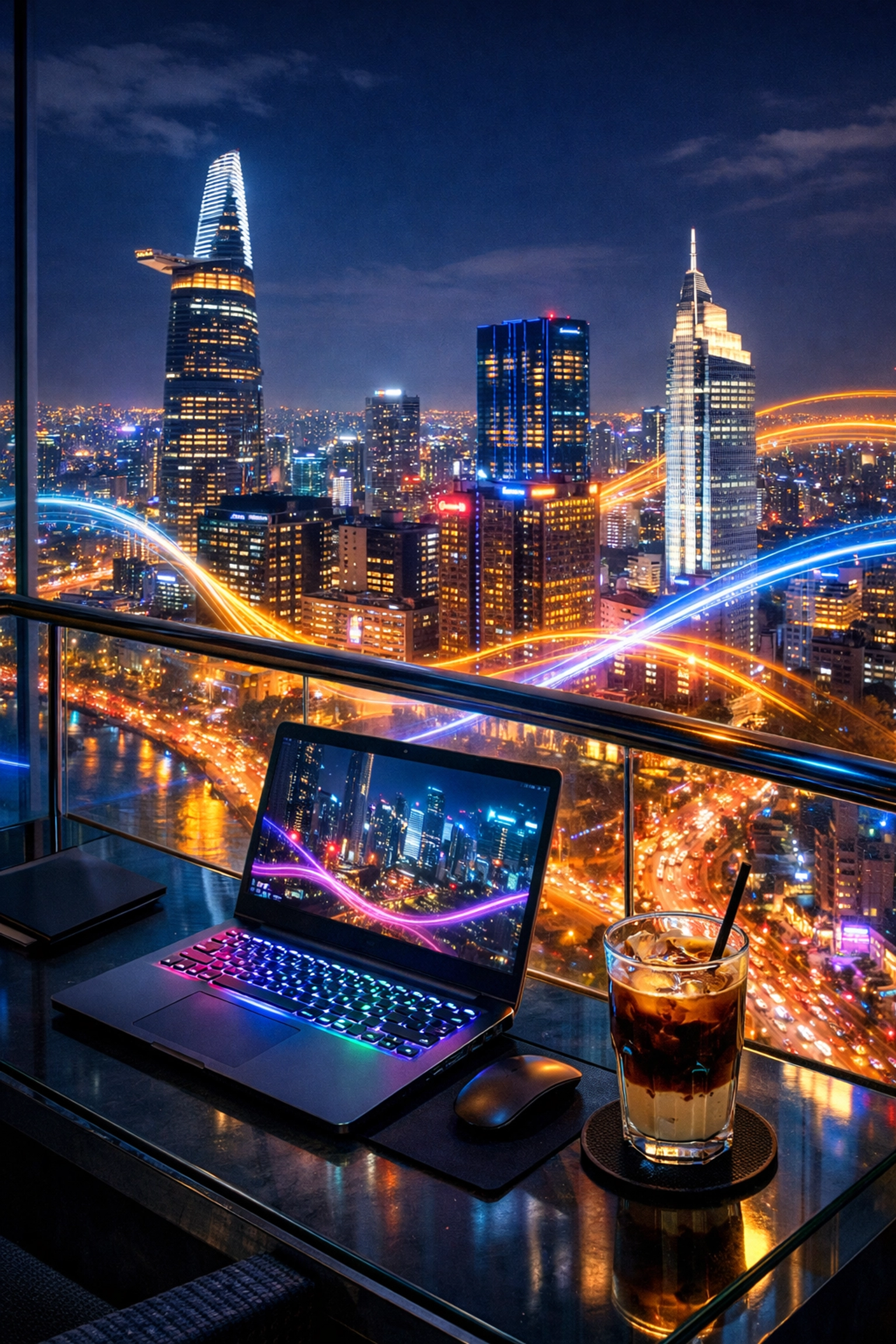
8. Ho Chi Minh City, Vietnam
Vietnam’s tech sector is exploding, and Saigon (HCMC) is the epicenter. For the technical remote worker, this city offers an aggressive growth mindset and surprisingly robust digital infrastructure.
- Average Internet Speed: 150 Mbps – 400 Mbps
- Monthly Cost of Living: $900 – $1,400
- The Technical Edge: Vietnam has invested heavily in undersea cables. While "AAG cable cuts" used to be a meme, the redundancy provided by new APG and SJC2 cables has made the connection much more resilient in 2026.
- The Lifestyle: A 24/7 city that never sleeps. If you thrive on energy, humidity, and $1.50 Banh Mi while building the next big SaaS, this is your home.
9. Tallinn, Estonia
Estonia is the world's most advanced digital society. In Tallinn, your "internet" isn't just for work; it’s how you vote, sign contracts, and manage your residency.
- Average Internet Speed: 300 Mbps – 1 Gbps
- Monthly Cost of Living: $1,400 – $1,900
- The Technical Edge: The entire city is a Wi-Fi hotspot. More importantly, the digital bureaucracy is seamless. For a remote worker, the ability to manage your taxes and company registration entirely online saves dozens of "administrative hours" every month.
- The Lifestyle: A beautiful medieval old town mixed with "Silicon Valley" style glass offices. It’s cold in the winter, but the tech ecosystem is one of the warmest in the world.
10. Medellín, Colombia
Once a "pioneer only" destination, Medellín has matured into a sophisticated remote work hub. The "City of Eternal Spring" offers a climate that eliminates the need for expensive heating or cooling, further lowering the cost of living.
- Average Internet Speed: 150 Mbps – 300 Mbps
- Monthly Cost of Living: $1,200 – $1,600
- The Technical Edge: Tigo and Claro have blanketed the El Poblado and Laureles neighborhoods with reliable fiber. While power outages were once a concern, the infrastructure in 2026 is much more localized and resilient.
- The Lifestyle: Exceptional weather, a massive community of "digital nomads," and a growing focus on Healthtech and AI startups.
Conclusion: How to Choose Your Node
Selecting a city in 2026 requires looking past the "Instagrammability" of a location and peering into the router settings. For those in high-stakes roles: SREs, AI Engineers, and Live Producers: Bucharest and Raleigh offer the best technical "safeness." For those looking to maximize their savings and enjoy a higher quality of life, Tbilisi and Chiang Mai remain undefeated.
The "Living Resume" of 2026 isn't just about where you've worked; it's about how effectively you've managed your geography to maximize your output and minimize your overhead.
About the Author: Malibongwe Gcwabaza
Malibongwe Gcwabaza is the CEO of blog and youtube, a leading digital media company focusing on the intersection of technology, remote careers, and financial independence. With over a decade of experience in digital transformation and a passion for decentralized work cultures, Malibongwe has helped thousands of professionals transition from traditional office roles to high-impact remote careers. When not analyzing global infrastructure trends, he explores the latest in AI-powered productivity tools.
About the Author