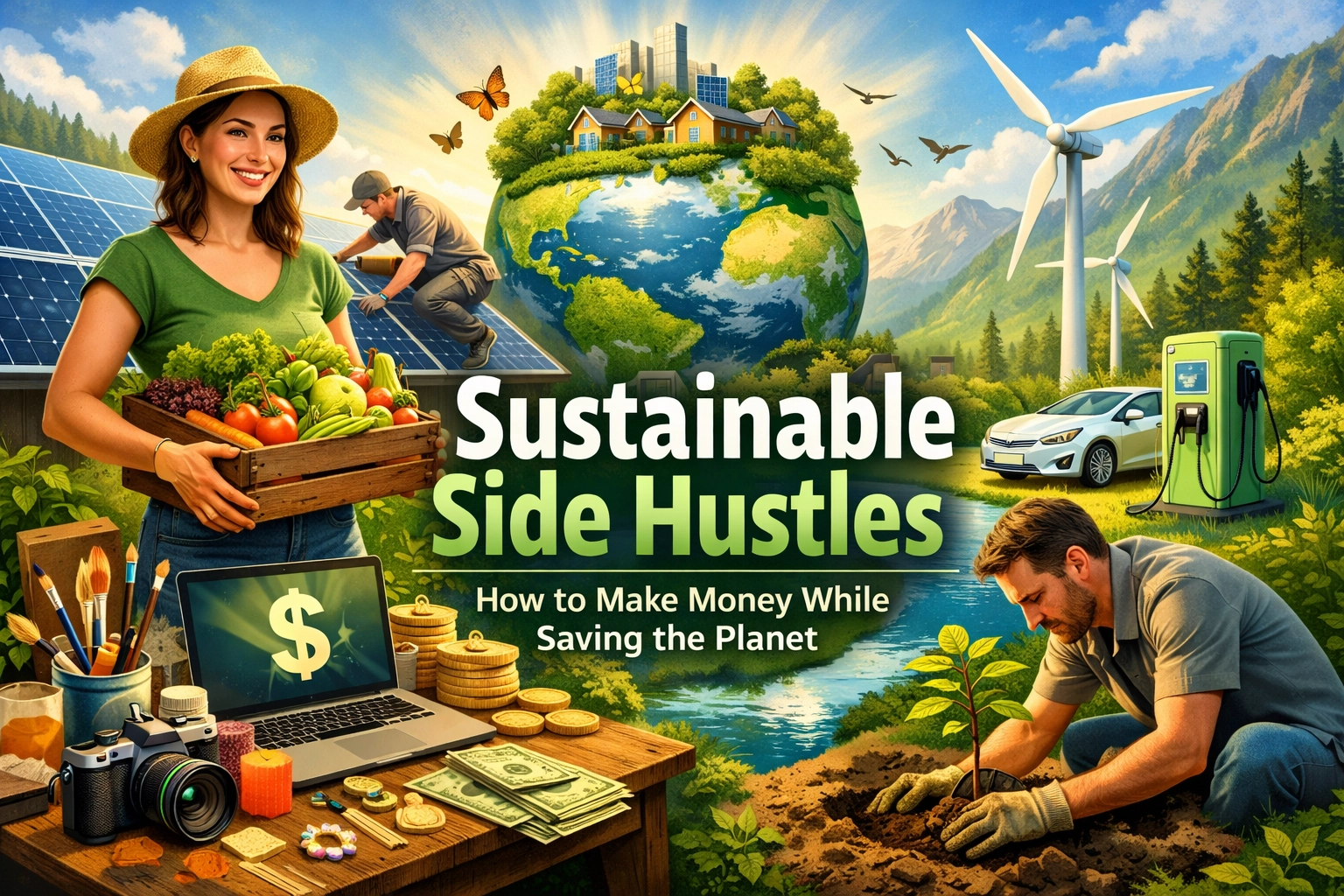
By 2026, the "green premium": the extra cost associated with buying eco-friendly products: has largely vanished. In its place, we’ve seen the rise of the "green margin," where sustainability isn't just a moral choice but the most profitable way to run a micro-business. The global shift toward a circular economy has opened up technical and high-yield niches that didn't exist three years ago. If you’re looking to build a side income that survives the volatility of the mid-2020s, you need to look at where environmental necessity meets market demand.
We aren't talking about just picking up litter for pocket change. We are talking about leveraging AI, IoT, and advanced material science to solve waste problems. Here is how to position yourself in the 2026 sustainable economy.
1. The "Circular" Reseller: Beyond Basic Thrifting
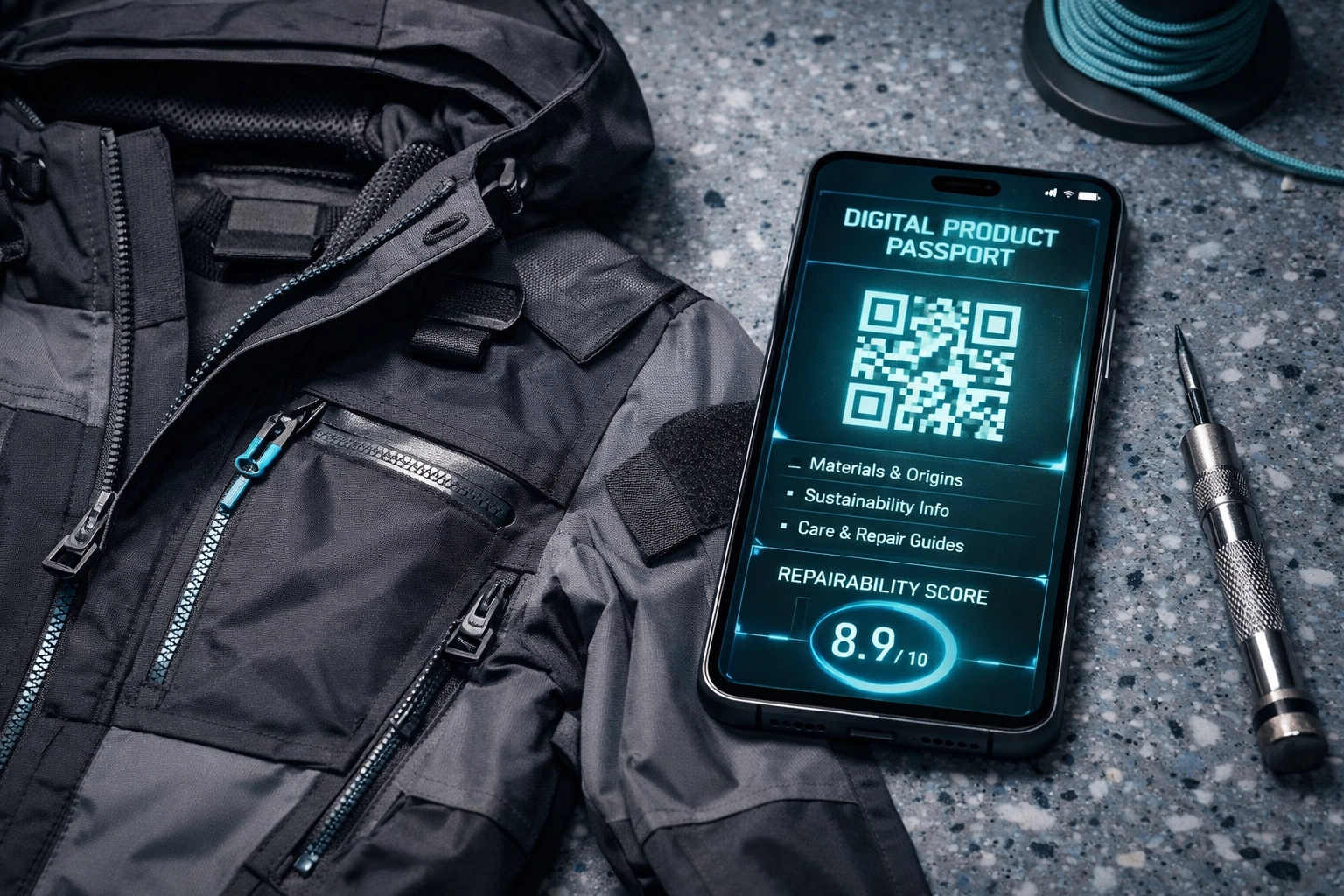
In 2026, the European Union's Digital Product Passport (DPP) regulations have influenced global markets. Every high-end garment and electronic device now carries a digital history. The profitable side hustle here is no longer just "flipping" clothes; it’s Authentication and Circular Logistics.
Top earners are using AI-driven inventory tools to track the resale value of items based on their "repairability score." By specializing in a specific niche: like high-performance outdoor gear or modular electronics: you can earn a premium by providing certified refurbished goods that come with verified carbon-offset data.
The Technical Edge:
Use automated scraping tools to monitor "Right to Repair" databases. When a manufacturer releases a new repair kit or firmware update for an older model, the resale value of those "broken" units on secondary markets spikes. Buying "e-waste" and applying certified repairs is a high-CPC niche because it taps into the expensive "Refurbished Tech" advertising category.
2. Energy Arbitrage and V2G Consulting
With the mass adoption of Electric Vehicles (EVs) and home battery systems, the electrical grid has become decentralized. "Energy Arbitrage" is the practice of storing energy when it’s cheap (and green) and selling it back to the grid or using it when prices peak.
As a side hustle, you can act as a Micro-Grid Consultant for your neighborhood. Many homeowners have the hardware (solar panels and batteries) but lack the technical optimization to make it profitable.
- The Hustle: Setting up automated "Smart Home" scripts using platforms like Home Assistant to optimize battery discharge cycles.
- Income Potential: A percentage of the energy savings or a flat "optimization fee."
- 2026 Trend: Vehicle-to-Grid (V2G) technology allows you to use your car as a revenue-generating asset while it sits in the driveway.
3. Urban Regenerative Agriculture & Soil Data
Traditional gardening is a hobby; Data-Driven Regenerative Micro-Farming is a business. In 2026, hyper-local food security is a major concern. Small-scale farmers are using hydroponic and aeroponic towers to grow high-value crops (like saffron, microgreens, or medicinal herbs) in urban environments.
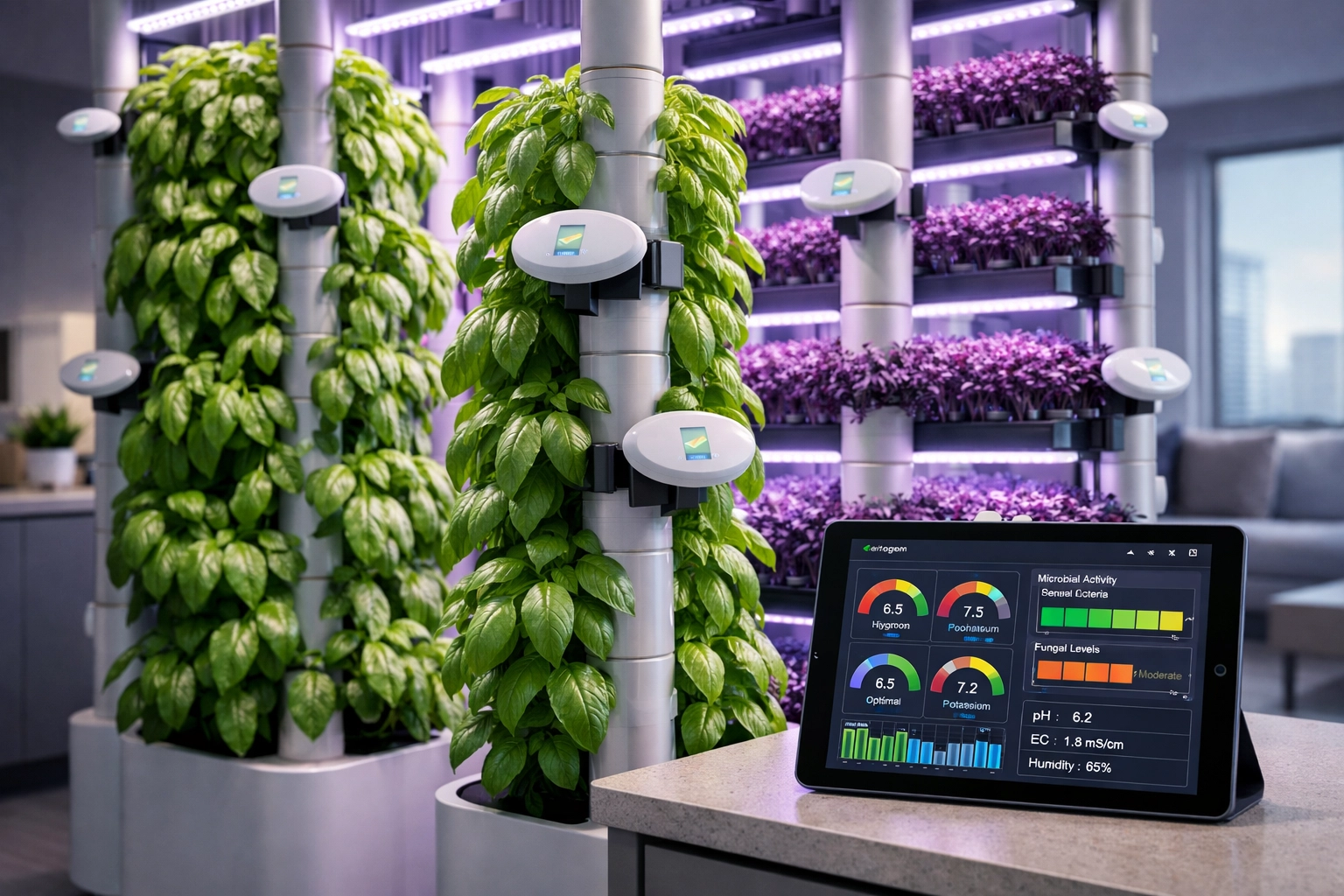
However, the real money isn't just in the kale. It's in the compost and microbial data. By using IoT sensors to monitor soil health, you can produce "Designer Compost": highly specific nutrient blends tailored for local soil deficiencies. Selling this to high-end landscaping firms or local organic boutiques yields a much higher margin than selling produce alone.
4. AI-Augmented Waste Stream Auditing for SMEs
Small and Medium Enterprises (SMEs) are under increasing pressure to report their ESG (Environmental, Social, and Governance) metrics to qualify for loans and partnerships. Most small business owners have no idea how to track their carbon footprint or waste output.
This creates a massive opening for an Environmental Auditor.
- Audit the Stream: Use AI vision apps to categorize a business's weekly waste.
- Identify Leakage: Find where they are over-spending on single-use materials.
- Implement Solutions: Connect them with circular suppliers (like compostable packaging providers).
Because this service directly impacts a company's bottom line and tax incentives, you can charge professional consulting rates rather than gig-economy prices.
5. Bio-Material Fabrication and 3D Printing
The "Maker Movement" has evolved. In 2026, we’ve moved away from printing plastic trinkets to using bio-filaments made from algae, mycelium, or recycled food waste.
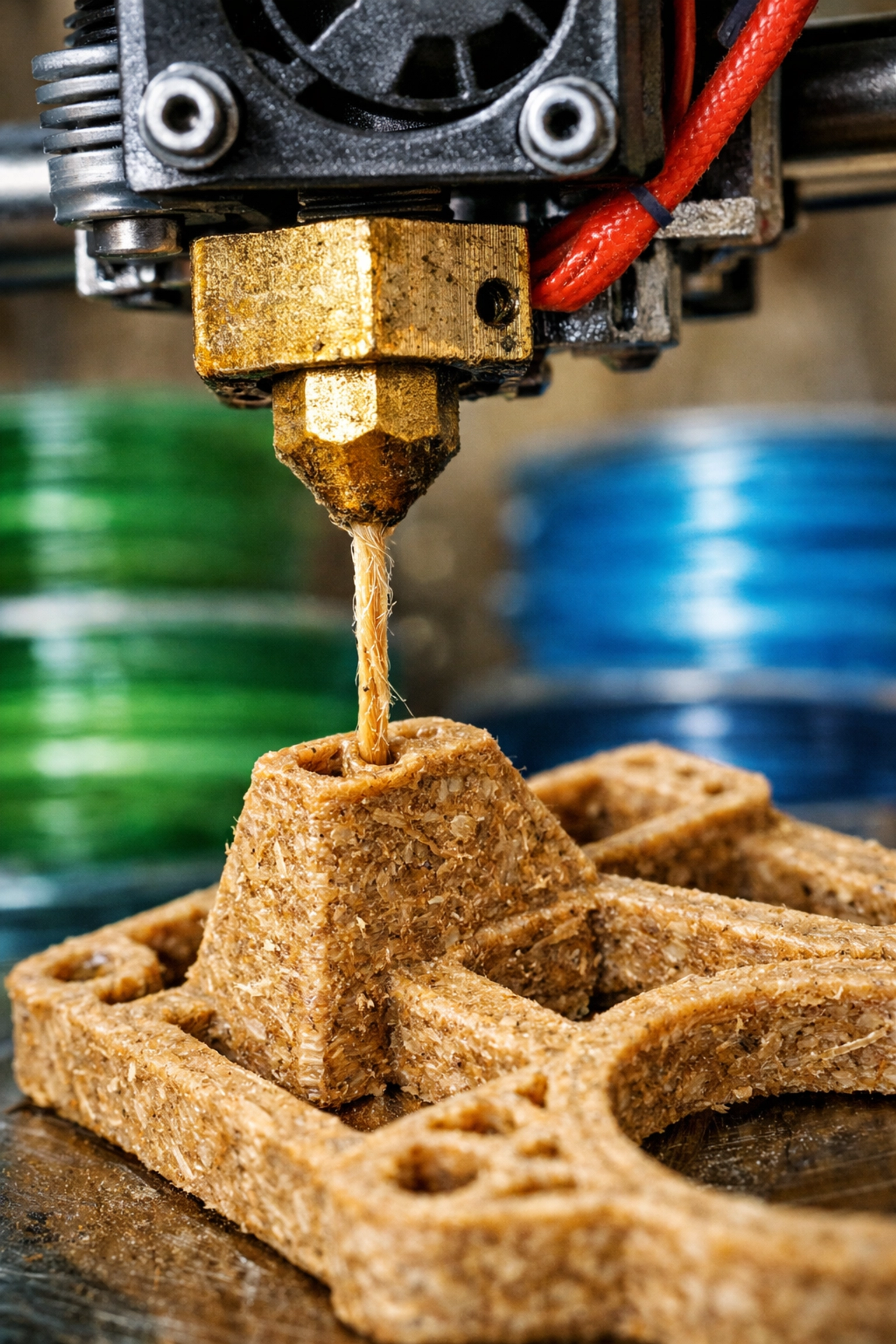
If you own a high-quality 3D printer, your side hustle is producing On-Demand Replacement Parts. Instead of a consumer ordering a plastic knob from overseas and waiting two weeks (with a massive carbon footprint), you print it locally using biodegradable materials. This "Distributed Manufacturing" model is the backbone of the 2026 sustainable economy.
High-CPC Keywords for this Niche:
- Sustainable additive manufacturing
- Bio-polymer engineering
- Localized supply chain solutions
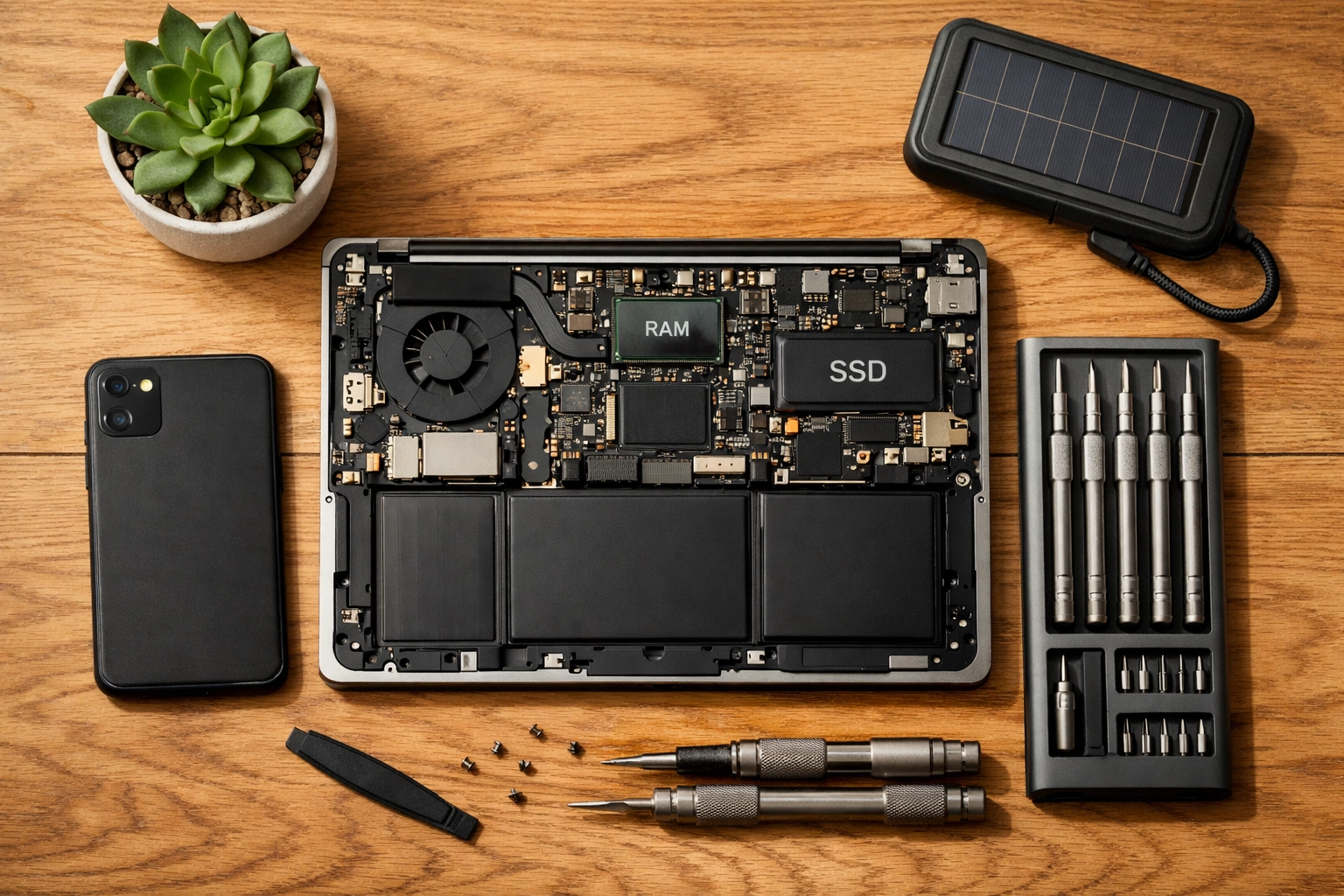
6. The "Sovereign" Tech Repair Specialist
As "Sovereign Tech" becomes a mainstream movement, people are moving away from big-tech ecosystems and toward decentralized, "forever" hardware. There is a growing market for technicians who can install and maintain "De-Googled" phones, Linux-based laptops, and home servers that run on renewable energy.
This is a high-trust, high-margin hustle. You aren't just fixing a screen; you are providing Digital Sovereignty. By marketing yourself as an eco-friendly tech specialist who extends the life of hardware by 10+ years, you appeal to the most affluent, tech-savvy, and environmentally conscious demographic.
Scaling Your Sustainable Hustle: The Tech Stack
To make these "green" hustles work in 2026, you need to automate the boring parts. Sustainability requires precision.
- Inventory Management: Use AI-based visual recognition (like Google Lens integrated with custom APIs) to identify and price secondhand goods instantly.
- Marketing: Use "Green SEO." Focus on long-tail keywords like "zero-waste tech repair in [City]" or "how to monetize home battery storage."
- Payments: Consider accepting carbon credits or stablecoins as part of your "Circular Economy" branding. This attracts a specific type of high-value client.
Why Empathy and Strategy Matter
The common thread in all these 2026 side hustles is that they require a mix of technical skill and human empathy. You are helping people navigate a world that is rapidly changing. Whether you are helping a neighbor save $200 on their power bill or helping a small business stay compliant with new environmental laws, your value lies in your ability to translate complex "Green Tech" into simple, profitable actions.

Summary of High-Yield Eco-Niches (2026)
| Side Hustle | Primary Skill | Startup Cost | Income Type |
|---|---|---|---|
| V2G Optimizer | Energy Management | Low (Software) | Passive/Residual |
| DPP Reseller | Digital Authentication | Low | Transactional |
| Bio-Fabricator | 3D Printing | Medium | On-Demand |
| ESG Auditor | Data Analysis | Low | High-Ticket Consulting |
| Micro-Grid Tech | Electrical/IoT | Medium | Project-Based |
The era of "hustling" at the expense of the planet is over. In 2026, the most successful entrepreneurs are those who realize that waste is simply an unused resource. If you can find a technical way to bridge the gap between waste and utility, you won't just be saving the planet: you'll be building a recession-proof financial future.
About the Author: Malibongwe Gcwabaza
Malibongwe Gcwabaza is the CEO of blog and youtube, a forward-thinking digital media house specializing in the intersection of emerging technology and sustainable finance. With over a decade of experience in strategic consulting and content creation, Malibongwe focuses on helping solopreneurs navigate the "Green Transition" of 2026. He believes that the next generation of millionaires will be those who solve the world's most pressing environmental challenges through decentralized tech and circular business models. When he isn't auditing micro-grids, he’s exploring the future of "Human-in-the-Loop" AI systems.
About the Author