By March 2026, the freelance economy has shifted from a side-hustle culture to a sophisticated "fractional" workforce. With professionals juggling multiple high-ticket clients across different time zones, the old-school method of sending a PDF invoice and hoping for a bank transfer within 30 days is no longer just "slow": it’s a financial risk.
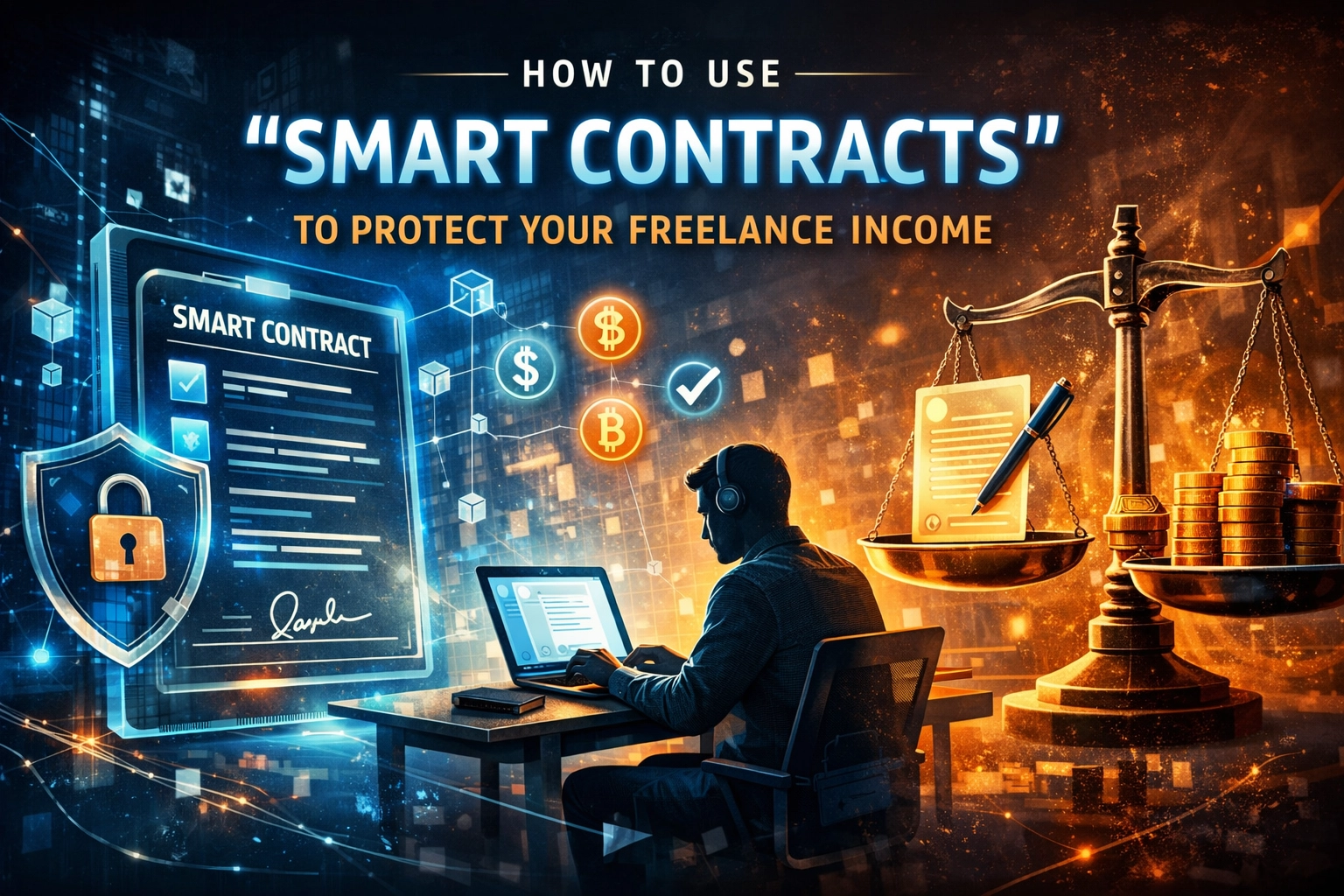
The biggest friction point in the 2026 creator economy remains the same: trust. How do you ensure a client in Singapore pays a developer in Johannesburg for a project completed on a decentralized server? The answer lies in smart contracts. We aren't talking about speculative NFT trading here; we are talking about deterministic, code-based agreements that function as your own private escrow service.
What is a Smart Contract for Freelancers?
At its core, a smart contract is a self-executing piece of code living on a blockchain (typically Ethereum, Solana, or a Layer-2 like Arbitrum). In a freelance context, it replaces the traditional "handshake" or the easily ignored PDF contract.
When you use a smart contract, you and your client agree on specific milestones. The client deposits the funds into the contract’s address at the start of the project. Those funds are then locked. They don’t belong to you yet, but the client can’t pull them back either. Once the code verifies the work is done (via an "Oracle" or a manual release trigger), the funds are instantly released to your wallet.
The Technical "Why": Beyond the Hype
In 2026, transaction speeds have increased by 100x compared to 2021, and gas fees (transaction costs) have dropped to fractions of a cent on most networks. Using a smart contract is now cheaper than the 3% credit card processing fee or the 20% commission taken by legacy freelance platforms.

The Three Pillars of the Secure Freelance Stack
To protect your income using this technology, you need to understand the three technical components that make these contracts work:
1. The Escrow Logic
This is the "If/Then" architecture.
- IF Freelancer submits the "v1_final_render.mp4" to the decentralized storage (like IPFS).
- AND Client clicks "Approve."
- THEN Release 2.5 ETH to the Freelancer’s wallet.
2. Oracles and "Proof of Work"
In 2026, we use specialized Oracles: services that connect off-chain data to the blockchain. An Oracle can "ping" a GitHub repository to verify that code has been merged, or check a Google Drive folder for a document. This adds a layer of objective verification that prevents a client from claiming they "never received the file."
3. Smart Legal Contracts (SLCs)
By 2026, the legal world has caught up. A Smart Legal Contract is a dual-layered agreement. It has a natural language version (the stuff humans read) and a machine-readable version (the code that moves the money). This ensures that if a dispute arises that the code can't solve, you still have a legally binding document recognized by courts.
Step-by-Step: Setting Up Your First Protected Contract
You don’t need to be a Solidity developer to do this anymore. Here is the 2026 workflow for a high-end consultant or creative.
Step 1: Wallet Architecture
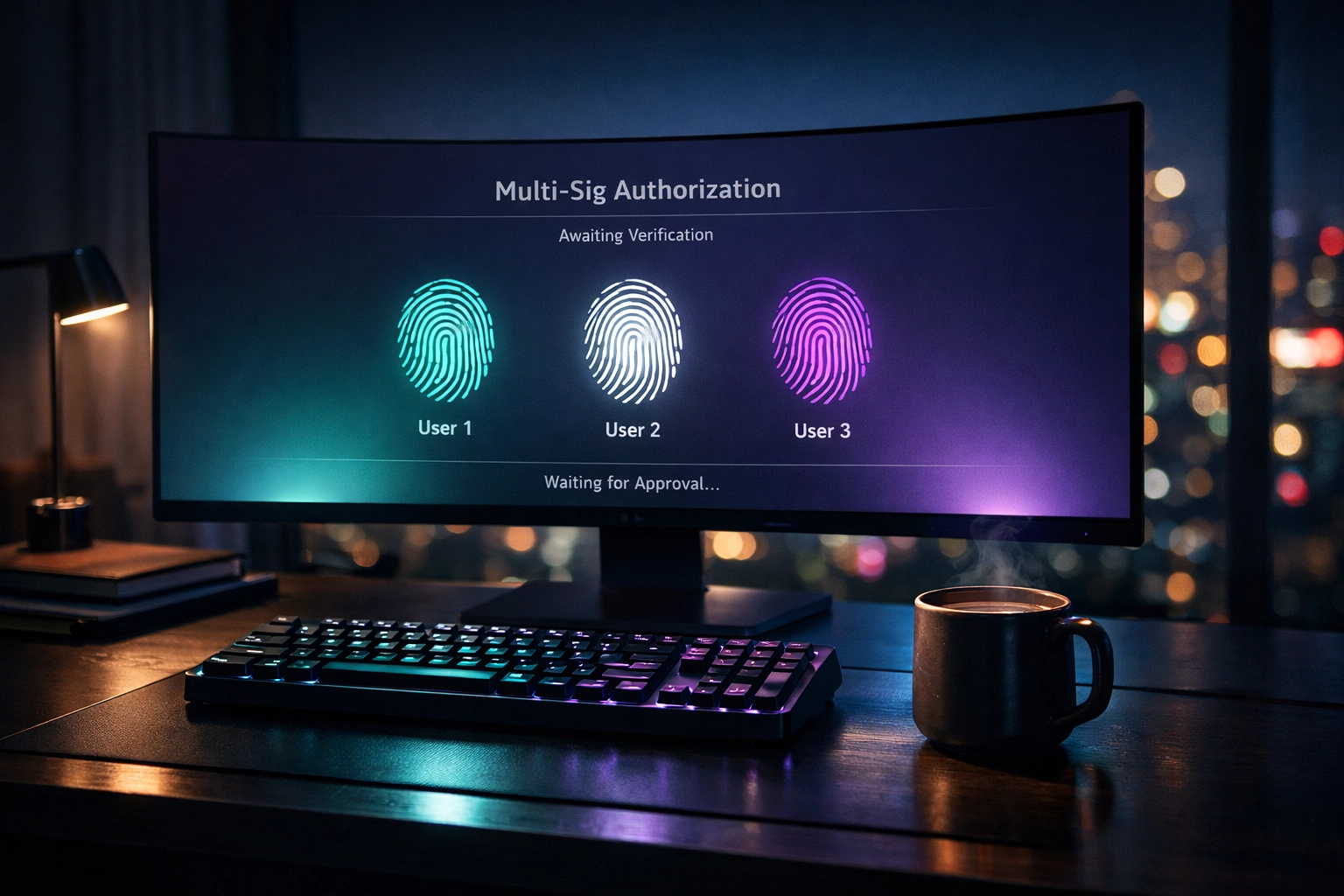
Don't use a standard "hot wallet" for your business income. Set up a Multi-Sig (Multi-Signature) wallet like Gnosis Safe. This requires more than one private key to authorize significant changes, protecting your funds from hacks. Ensure your wallet is connected to a "Sovereign Cloud" service to keep your transaction metadata private.
Step 2: Choosing the Platform
While you can write custom code, most professionals in 2026 use "No-Code" smart contract builders. Platforms like Request Finance or Lancer allow you to generate a contract by simply filling out a form with your milestones, deadlines, and payment amounts.
Step 3: Deployment and the "Deposit Requirement"
One of the best features of smart contracts is the ability to enforce a "Skin in the Game" rule. You can program the contract to require a 20% deposit from the client before you even begin work. If the client doesn't deposit the funds into the contract address, the contract remains "inactive," and you don't start the engine. This automatically filters out "tire-kickers" and non-serious leads.
Real-World Scenario: The Ghosting Client
Imagine you are a Fractional Creative Director. You agree to a $10,000 project. In the old days, if the client stopped answering emails after the second revision, you’d be out of luck and out of pocket.
With a Smart Contract:
- The $10,000 is locked in the contract at the start.
- You finish Milestone 1 (Brand Strategy). You upload the files.
- The client "ghosts."
- The contract has a "Time-Lock" feature. If the client doesn't raise a dispute within 14 days of the milestone submission, the contract assumes the work is accepted and automatically releases the funds.
This flips the power dynamic. In the old world, the freelancer had to chase the client for money. In the smart contract world, the client has to actively prove the work wasn't done to stop the payment.

Risks and How to Mitigate Them
No technology is perfect. If you’re moving your freelance income to the blockchain, you need to be aware of these three risks:
| Risk | Impact | 2026 Mitigation Strategy |
|---|---|---|
| Price Volatility | Getting paid in a coin that drops 20% overnight. | Use Stablecoins (USDC or Euro-backed tokens) to ensure $1 remains $1. |
| Smart Contract Bugs | Logic errors that lock funds forever. | Use audited, "template" contracts from reputable platforms rather than writing your own. |
| Legal Recognition | Difficulty in suing a "wallet address." | Always link your smart contract to a signed Master Service Agreement (MSA) that identifies the parties. |
The ROI of Moving to Code-Based Payments
Switching to smart contracts isn't just about security; it’s about the bottom line. Data from 2025 showed that freelancers using blockchain-based escrow saw:
- 94% reduction in late payments.
- 100% elimination of "chargeback fraud" (where a client pays via credit card then disputes the charge after receiving the work).
- Average savings of $2,400/year in platform fees and bank wire costs.

Preparing for the "Programmable Income" Future
As we move deeper into 2026, your "reputation score" on the blockchain will become your most valuable asset. Every successfully completed smart contract acts as a verifiable, immutable testimonial of your reliability. Future clients won't ask for references; they will look at your wallet’s "on-chain resume" to see how many contracts you’ve successfully closed.
By adopting smart contracts now, you aren't just protecting your current invoice; you are building a transparent career history that no AI or competitor can replicate. It’s time to stop acting like a "vendor" and start operating like a secure, decentralized business.
About the Author: Malibongwe Gcwabaza
Malibongwe Gcwabaza is the CEO of blog and youtube, a forward-thinking media hub dedicated to the intersection of emerging technology and professional growth. With over a decade of experience in digital strategy, Malibongwe has become a leading voice in the "Sovereign Professional" movement, helping thousands of creators and freelancers navigate the complexities of Web3, AI, and the modern digital economy. Under his leadership, blog and youtube has evolved into a premier destination for high-quality, technical insights that empower the global workforce to take control of their financial and creative destinies. When he isn't exploring the latest in decentralized finance, he is focused on scaling sustainable business models for the next generation of solopreneurs.
About the Author