For a long time, the narrative around SEO was that small businesses were getting squeezed out. The "big guys" with massive backlink profiles and million-dollar content budgets seemed to own the first page of Google. But as we move through 2026, the script has flipped. Search engines have evolved to prioritize relevance, user experience, and specialized expertise over raw domain authority.
We’ve seen it happen in real-time. Small businesses aren’t just surviving; they are doubling their revenue by exploiting the nuances of modern search. This isn't about "hacking" the system: it’s about aligning with how search engines now interpret intent.
In this deep dive, we’re looking at three specific case studies that prove how strategic SEO can transform a bottom line in today’s landscape.
The Pet Shop Pivot: Doubling Traffic in a Competitive Niche
E-commerce in the pet industry is notoriously difficult. You’re competing against global conglomerates and massive marketplaces. One small e-commerce store selling specialized pet products found itself stuck on page five for almost every commercial keyword.
The problem wasn't their product quality; it was their search strategy. They were trying to rank for broad terms like "dog food" or "cat toys." In 2026, that’s a losing game for a small player.
The Strategy: Targeted Commercial Intent
Instead of going broad, they pivoted to high-value, specific commercial terms. They identified long-tail keywords where the "big guys" were providing generic content. By creating hyper-specific landing pages and blog content that addressed niche concerns: such as "grain-free supplements for senior labs": they started to see a shift.
The Results:
- 2x Organic Traffic Growth: Within six months, their traffic doubled.
- 43 Top 5 Rankings: They secured prime real-estate for keywords that actually drive sales, not just "window shoppers."
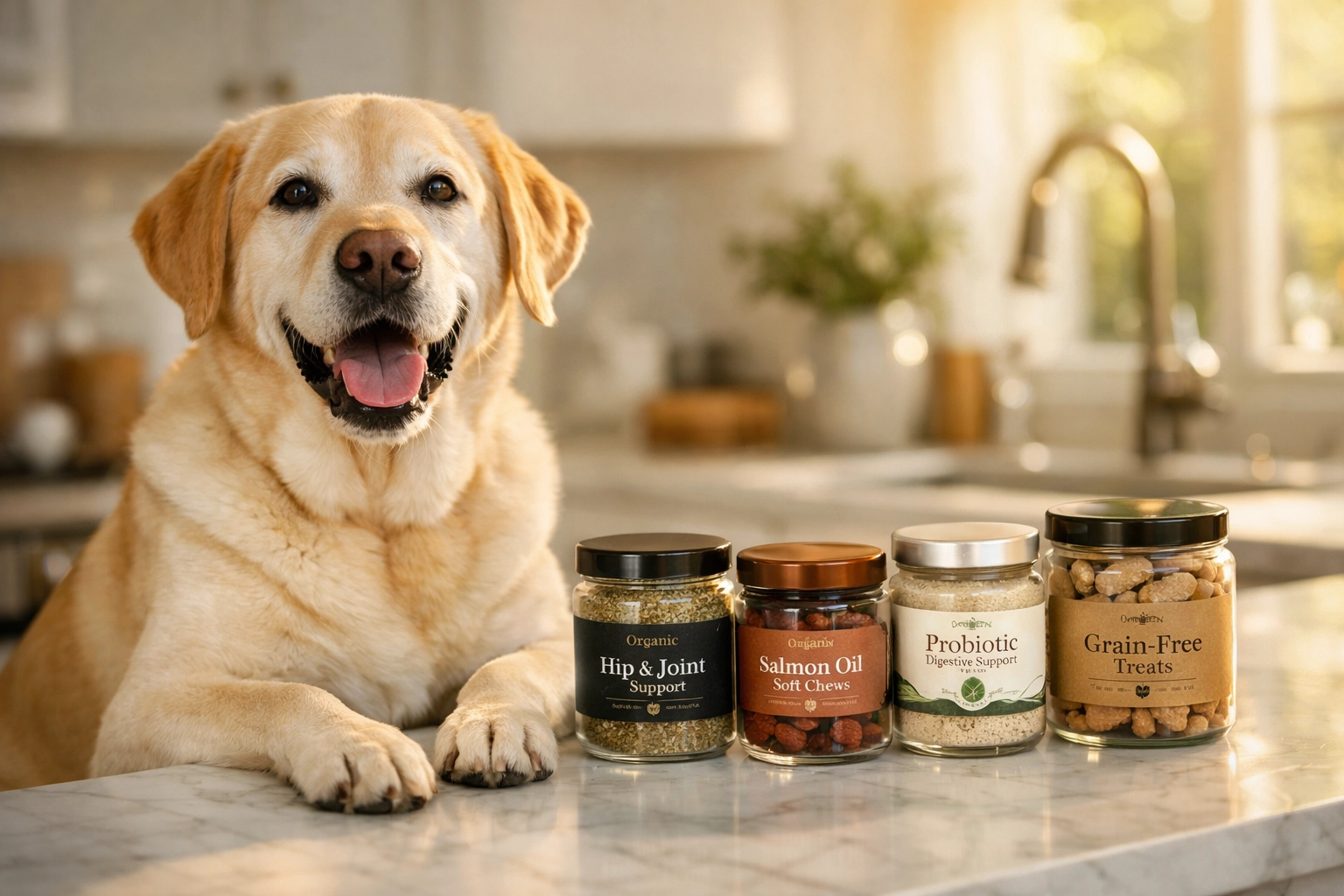
By focusing on commercial terms that their specific audience was searching for, they bypassed the generic competition. This move from "broad awareness" to "specific intent" is the cornerstone of 2026 SEO.
The Furniture Store: A 369% Revenue Explosion
Traffic is a vanity metric if it doesn’t lead to dollars. A small online furniture boutique learned this the hard way. They had decent traffic, but their revenue was stagnant. They decided to overhaul their SEO with a focus on conversion-led optimization and technical excellence.
Beating Big Brands with Precision
The furniture niche is dominated by brands with massive physical footprints and even bigger digital presences. However, these big brands often have "clunky" SEO. Their product descriptions are automated, their page speeds are bogged down by legacy code, and their internal linking is a mess.
The boutique store focused on three pillars:
- Technical Speed: They optimized every image and script to ensure a near-instant load time on mobile devices.
- Rich Results: They implemented advanced Schema markup (more on this later) to ensure their products appeared with price, availability, and review stars directly in the search results.
- Local Context: Even as an online store, they optimized for local search cues, making them the "relevant" choice for regional buyers.
The Impact:
- +369.43% Monthly Organic Revenue: The quality of the traffic improved so drastically that revenue nearly quadrupled.
- +122.27% Organic Traffic: While traffic grew, the revenue growth outpaced it, proving that they were attracting the right people.
| Metric | Before Optimization | After 12 Months | Growth % |
|---|---|---|---|
| Monthly Organic Traffic | 12,000 | 26,670 | 122.27% |
| Monthly Organic Revenue | $15,000 | $70,414 | 369.43% |
| Conversion Rate | 1.1% | 2.4% | 118.18% |
This case study highlights that in 2026, search engines are smart enough to reward the "best" user experience, not just the "biggest" brand.
The CBD Marketplace: From £1,000 to Mid-5-Figure Months
The CBD industry is an SEO minefield. Strict regulations and heavy competition make organic growth a challenge. A UK-based marketplace, "The CBD Supplier," started with almost no visibility and a monthly revenue of just £1,000.
The Content Cluster Masterclass
They didn't have the budget for a massive ad spend, so they leaned into "Content Clusters." Instead of writing random blog posts, they built authoritative hubs around specific topics. If they wanted to rank for "CBD for sleep," they didn't just write one post. They wrote a pillar page and ten supporting articles addressing every possible question a user might have.

Leveraging Long-Tail Keywords
By targeting keywords with high search volume but low difficulty: often phrased as questions: they captured users at the "top of the funnel" and guided them down to a purchase via strategic internal linking.
The Growth:
- 557% Traffic Increase: In just 12 months, their search visibility exploded.
- Revenue Transformation: They moved from a struggling £1,000/month business to a consistent mid-5-figure operation.
The 2026 SEO Playbook: How to Replicate These Results
If you want to double your revenue this year, you can't rely on 2020 tactics. Here are the core strategies that drove the success in the case studies above.
1. Local SEO Optimization (Even if You’re Global)
Search is becoming increasingly personalized. Google uses location data to serve results even for non-local queries.
- Google Business Profile: Ensure it’s 100% complete and updated weekly.
- Local Keywords: Incorporate "near me" and city-specific phrases into your meta-data where relevant.
2. Advanced Schema Markup
In 2026, Schema is no longer optional. It’s how you talk directly to the AI that powers search engines. By using Recipe, FAQ, and Review schemas, you occupy more space on the Search Engine Results Page (SERP).
- FAQ Schema: This allows your answers to appear directly under your search listing, pushing competitors further down the page.
- Product Schema: Vital for e-commerce to show price and stock status instantly.

3. Technical SEO and "Core Web Vitals"
Page speed is a major ranking factor. If your site takes more than 2 seconds to load on a 5G connection, you are losing money.
- Mobile-First: 80% of your users are on phones. If your mobile site is just a "shrunk down" version of your desktop site, you're failing.
- Clean Code: Minimize JavaScript and use next-gen image formats (like WebP).
4. Strategic Internal Linking
Don't let your blog posts be islands. Every informational article should link to a transactional product or service page. This passes "link juice" and guides the user toward a conversion.
Why Small Businesses Have the Edge in 2026
Large corporations are slow. Changing a meta-tag on a site with 100,000 pages can take months of board meetings. As a small business, you are agile. You can identify a trending keyword today and have a high-quality, expert-led article live by tomorrow.
Search engines in 2026 are looking for E-E-A-T (Experience, Expertise, Authoritativeness, and Trustworthiness). Small business owners are often the ultimate experts in their niche. When you write from a place of genuine experience, Google’s algorithms recognize that authenticity.
Actionable Steps to Start Today:
- Audit your current traffic: Are you ranking for terms that actually make you money?
- Identify "Content Gaps": What questions are your customers asking that no one is answering well?
- Fix your speed: Run a Lighthouse report and crush those red numbers.
- Implement Schema: Start with FAQ schema on your most popular pages.

Doubling revenue through SEO isn't about luck. It’s about being more relevant, more helpful, and faster than your competition. The data from 2026 shows that the door is wide open for small businesses that are willing to put in the strategic work.
About the Author
Malibongwe Gcwabaza is the CEO of blog and youtube. With over a decade of experience in digital strategy and search engine evolution, Malibongwe specializes in helping small to mid-sized enterprises navigate the complexities of the modern web to drive tangible revenue growth. When not analyzing algorithm shifts, he focuses on integrating AI-driven content solutions with human-centric marketing.
About the Author