It is March 2026, and the "robot apocalypse" we were all worried about a few years ago didn't exactly happen the way the movies predicted. Instead of robots taking every job and leaving us with nothing to do, we’ve entered an era where the line between the digital world and the physical world has completely blurred. We call this the rise of Cyber-Physical Systems (CPS), and it has created some of the most interesting, high-paying, and secure jobs of this decade.
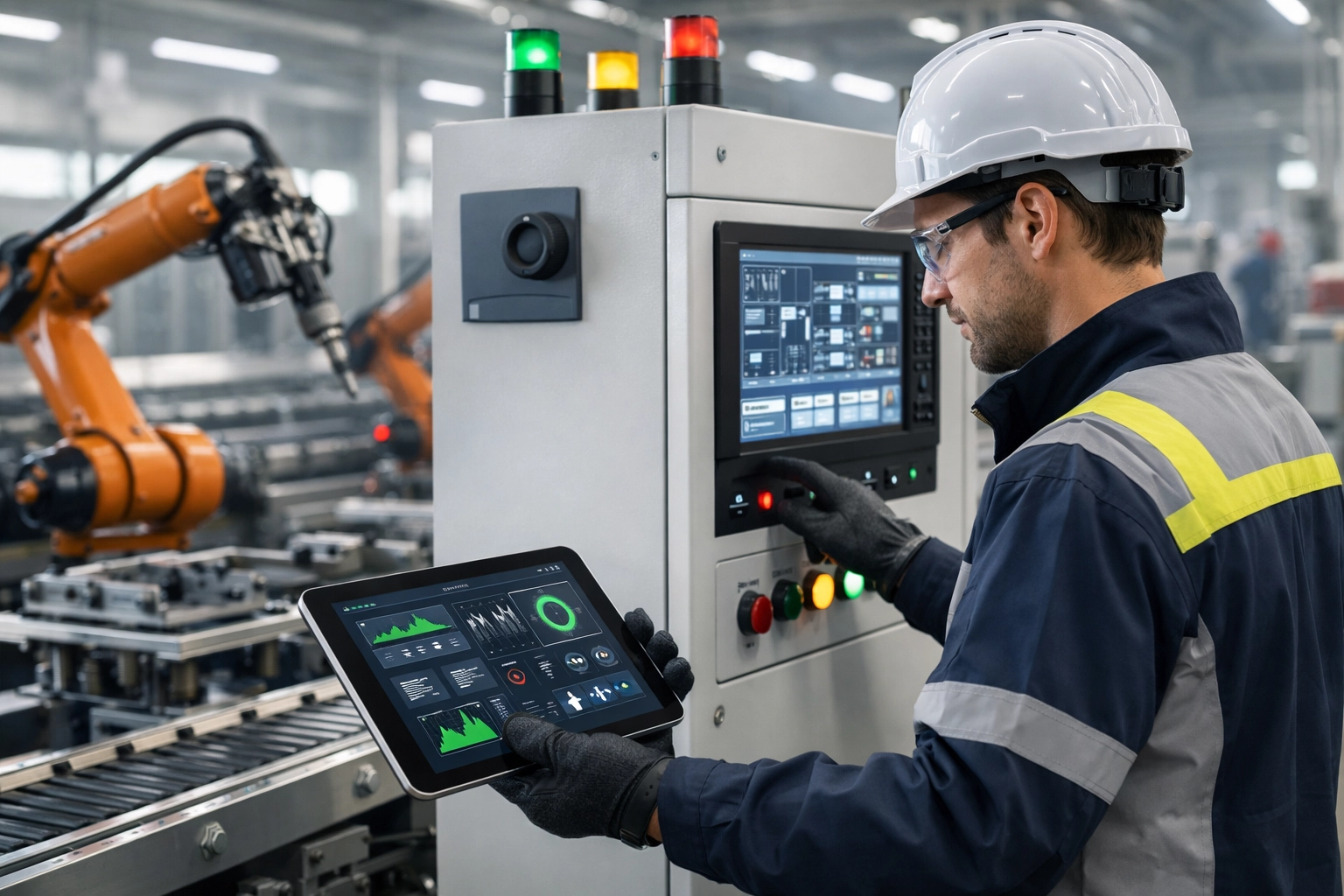
If you’ve spent any time on our YouTube channel lately, you’ve seen us talk about how automation is changing the game. But today, I want to go deep into the people behind those machines. We’re talking about the human technicians who are out there in the real world, getting their hands dirty while simultaneously debugging code that controls millions of dollars' worth of hardware.
The Shift: From "Blue Collar" to "New Collar"
For a long time, there was a clear divide. You were either a "tech person" who sat at a desk writing code, or you were a "technician" who worked with your hands in a factory or out in the field. In 2026, those silos have collapsed.
Today’s most successful workers are hybrid. They are the people who understand how an autonomous delivery drone thinks, but also know exactly which physical sensor is likely to fail when it’s raining in Johannesburg. This blending of digital intelligence and physical labor is what we call a Cyber-Physical career.
It’s not just about knowing how to use a tool; it’s about knowing how the software interprets the data from that tool. Whether it’s smart cities, automated defense systems, or AI-driven healthcare, the demand for people who can bridge the gap between "the cloud" and "the ground" is through the roof.
What Exactly are Cyber-Physical Systems?
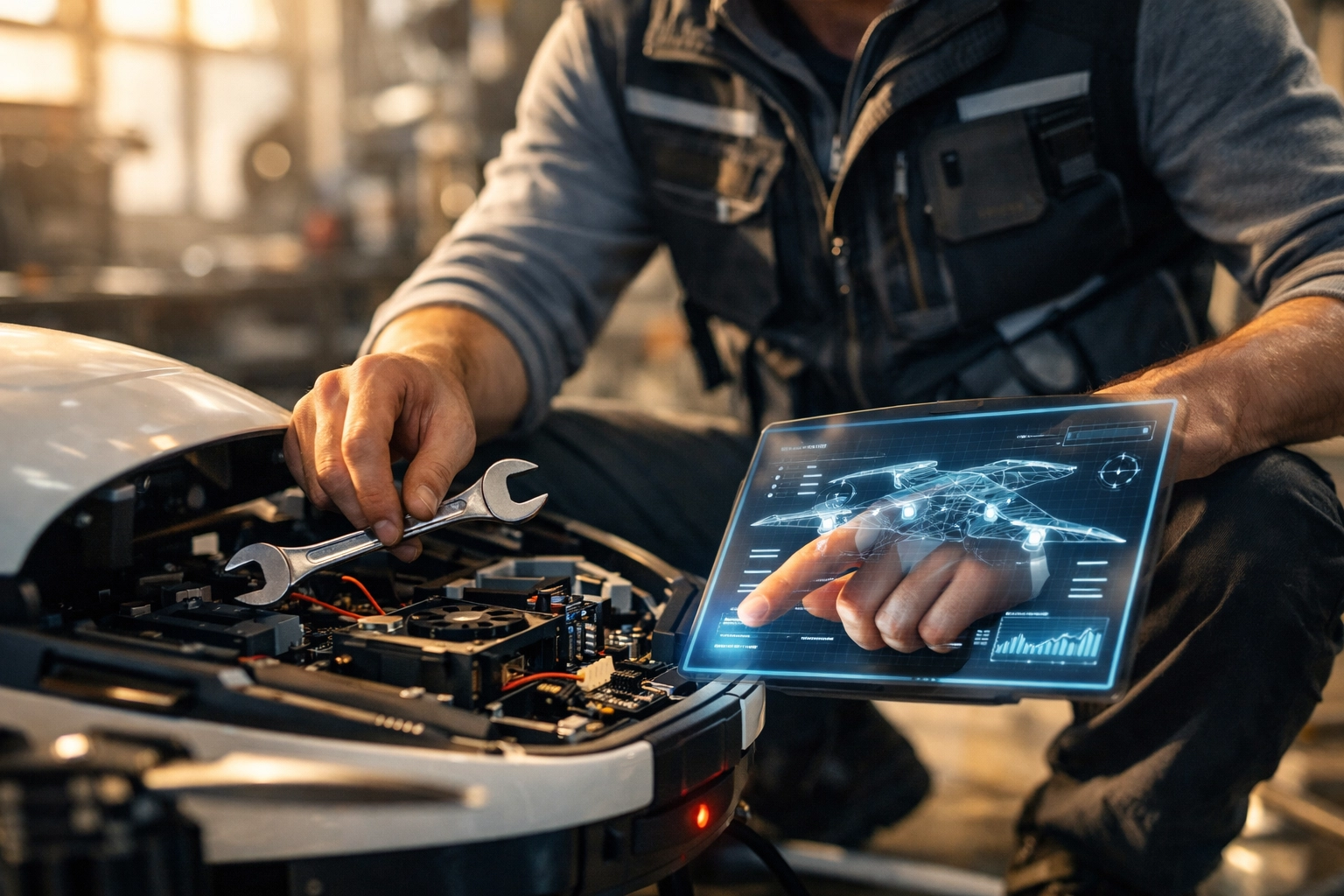
Before we look at the jobs, let's simplify what we're talking about. A Cyber-Physical System is basically any device that uses a computer brain to interact with the physical world.
Think about a self-driving car. It has sensors (LIDAR, cameras, radar) that "see" the world. It has a computer that "thinks" about what to do. And it has physical parts (the motor, the steering) that "act" on those thoughts. When these three things work together perfectly, you have a CPS.
But here’s the thing: sensors get dirty. Code gets bugs. Hardware wears out. When an autonomous system fails, you can't just send a software update from a headquarters in California to fix a snapped wire in a warehouse in Cape Town. You need a human who understands both the code and the wire.
The Key Roles in 2026
The job market has evolved to support these systems. Here are the three main roles we are seeing dominate the industry right now:
1. The Systems Engineer and Developer
These are the architects. They don't just build an app; they build an environment. They design the prototypes for tiny autonomous sensors that might be used to monitor soil health on a farm or the structural integrity of a bridge. They spend their time figuring out how to make these systems "strengthen" themselves against failure. It’s a mix of creative design and hardcore engineering.
2. The Reverse Engineer and Security Analyst
This is one of the coolest roles in the field. Since so many of our physical systems (like power grids and water plants) are now connected to the internet, they are vulnerable to hacking. Reverse engineers take these physical devices apart, both physically and digitally, to find the weak spots. They ask, "If I were a bad actor, how could I make this robot arm swing the wrong way?" Then, they build the shields to stop it.
3. The CPS Research Scientist
If you love data and machine learning but hate being stuck in an office, this is for you. Research scientists in this field take data from the physical world, think temperatures, vibrations, or light waves, and use machine learning to predict when a machine is going to break before it actually does. They translate complex technical findings into simple "white papers" that CEOs like me use to make big decisions.

The 2026 Skills Stack: What You Need to Know
If you’re looking to pivot your career into this space, you don't necessarily need a PhD, but you do need a very specific "stack" of skills. It’s no longer enough to just know "computers."
- Languages: You need to be comfortable with Python, C, and C++. While Python is great for the AI and data side, C and C++ are the languages that talk directly to the hardware. If you want a machine to move, you usually need to speak its language.
- Sensor Tech: You should understand how machines "see." This means getting familiar with LIDAR (Light Detection and Ranging), RADAR, and infrared sensors.
- Edge Computing: This is a big one. It’s the practice of processing data right there on the device rather than sending it all the way to a central server. It makes systems faster and more reliable.
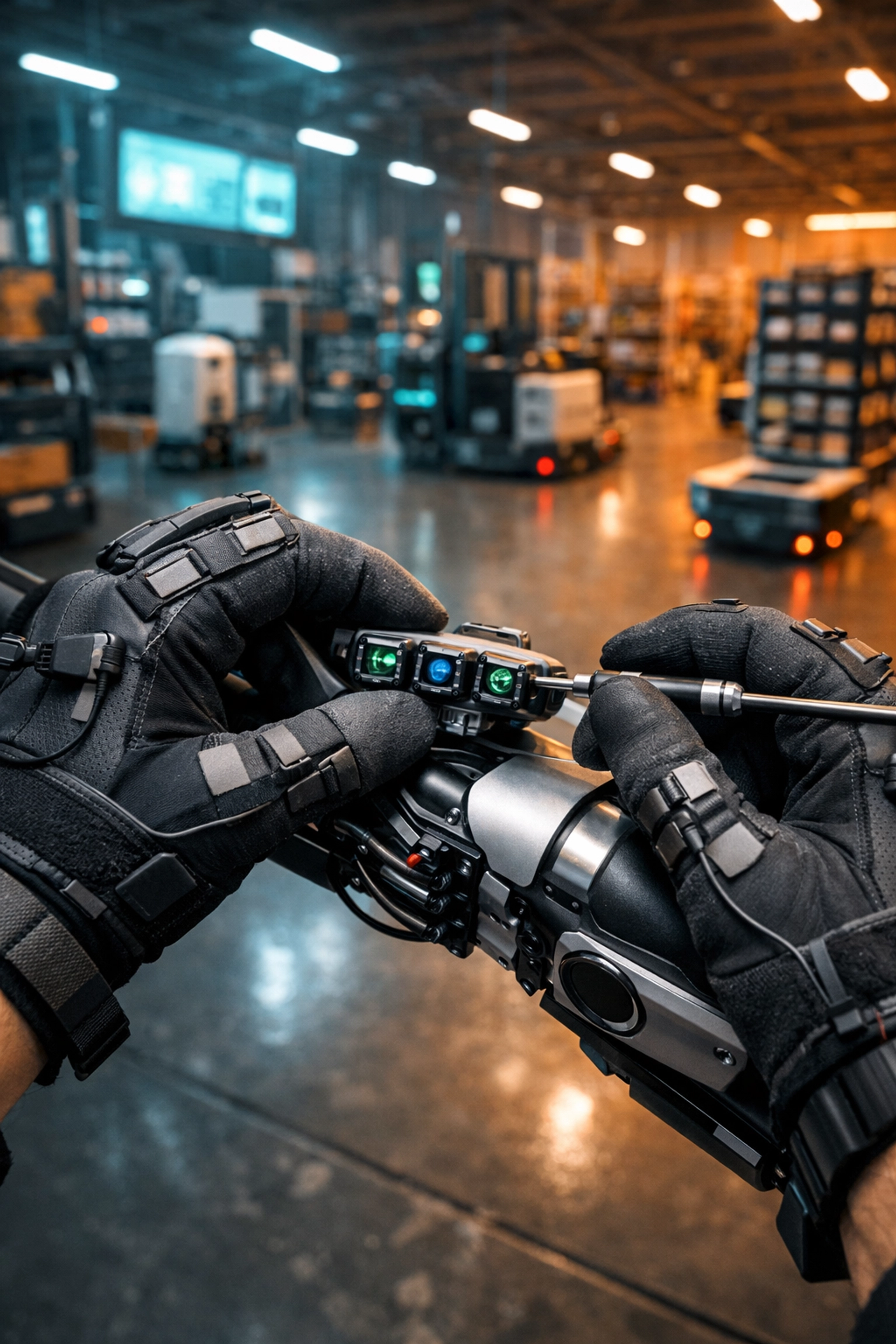
- Physical Dexterity: Unlike traditional IT, you might actually need to use a screwdriver. Understanding circuit design and how to troubleshoot analog hardware is a massive advantage.
Why Humans Aren't Being Replaced
A common question we get on our blog is: "If these systems are so smart, why do they need us?"
The truth is, automation is great at "standard" tasks, but it’s terrible at "weird" tasks. If a sensor on an automated factory line gets covered in a specific type of industrial grease that it’s never seen before, the AI might just report a "system error" and shut down. A human technician looks at it and says, "Oh, that’s just a leak from the overhead pipe," and fixes it in five minutes.
Human judgment: our ability to use intuition and context: is something AI hasn't mastered yet. We are the ultimate "troubleshooters." We are the ones who integrate these diverse technologies and make sure they don't crash into each other (literally or figuratively).
The Paycheck: Is it Worth the Pivot?
Let’s talk numbers, because at the end of the day, you want to know if this career path can support your lifestyle. According to recent data from early 2026, the compensation for these hybrid roles is significantly higher than traditional IT or traditional labor.
| Role | Entry-Level Salary (USD) | Experienced Salary (USD) |
|---|---|---|
| CPS Technician | $97,000 | $145,000 |
| Systems Developer | $114,000 | $185,000 |
| Security Analyst (CPS) | $120,000 | $199,000+ |
In South Africa and other emerging markets, we are seeing similar trends relative to the local economy. The demand is so high that many companies are willing to pay for your security clearances and advanced certifications just to get you on the team.
How to Get Started
You don’t have to go back to university for four years to get into this. Many of the best CPS technicians we know started with a background in a traditional trade (like being an electrician) and then added a few key coding certifications.
Start by learning the basics of Python and then get your hands on a Raspberry Pi or an Arduino kit. These are small, cheap computers that allow you to build your own mini cyber-physical systems at home. Once you’ve built a system that can water your plants based on soil moisture data it sends to your phone, you’ve already mastered the basics of the industry.
Final Thoughts
The world isn't becoming "all digital." It's becoming "physically digital." The people who will thrive in the next decade are those who aren't afraid to bridge that gap. Whether you’re a developer who wants to see your code move something in the real world, or a technician who wants to learn how to automate your daily tasks, the door is wide open.
At blog and youtube, we’re going to keep tracking these trends and showing you exactly how to stay ahead of the curve. The future isn't about humans vs. machines; it's about humans plus machines.
Author Bio: Malibongwe Gcwabaza
Malibongwe is the CEO of blog and youtube, a media company dedicated to making complex technology simple for everyone. With over a decade of experience in digital strategy and a passion for the evolving workforce, Malibongwe focuses on how emerging tech like AI and robotics can be leveraged to create better opportunities for people across the globe. When he's not looking at the latest tech trends, he's usually exploring the intersection of media and education.
About the Author