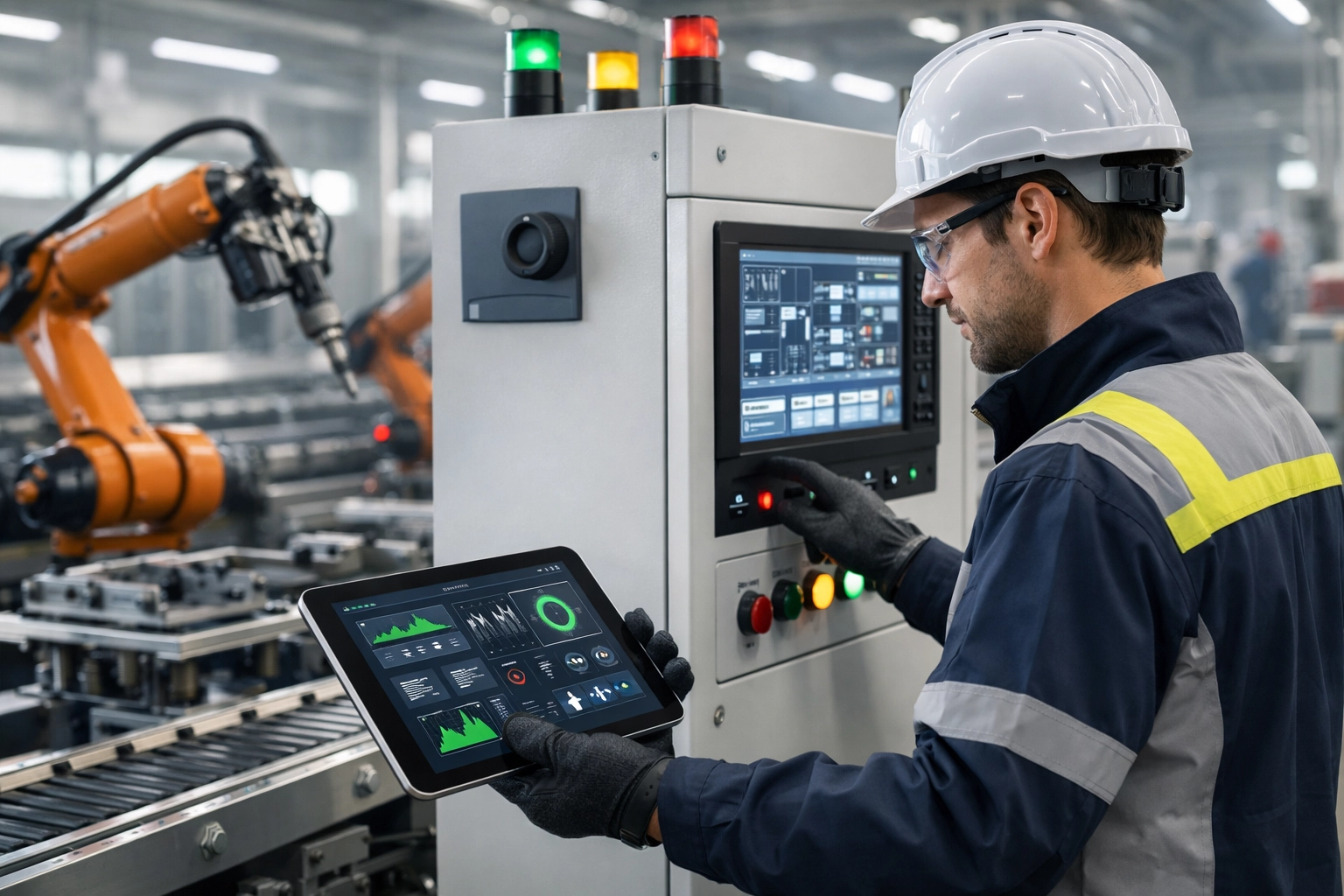
For a long time, the narrative around automation was simple: robots are coming for the blue-collar jobs, and software is coming for the white-collar jobs. We were told to choose a side: either learn to code or learn to work with your hands. But as we move deeper into the 2020s, that binary choice is disappearing. A new frontier has emerged where the digital and physical worlds don't just coexist; they are inextricably linked.
These are Cyber-Physical Systems (CPS). They are the smart grids that distribute our power, the autonomous fleets delivering goods, and the robotic arms performing precision surgery. While these systems are designed to be "automated," they have actually created a massive, high-paying gap in the workforce. We don’t just need more programmers, and we don’t just need more mechanics. We need a new breed of professional: the Cyber-Physical Technician.
Bridging the Gap Between Bits and Atoms
A cyber-physical system is more than just a computer with a peripheral attached. It is a mechanism controlled or monitored by computer-based algorithms, tightly integrated with the internet and its users. In a pure software environment, if a bug happens, the program crashes. In a cyber-physical environment, if a bug happens, a multi-ton piece of machinery might veer off course or a power plant might overheat.
This is why the "human in the loop" is becoming more critical, not less. We are seeing a shift where the most valuable workers are those who understand the "logic" of the code but can also handle the "physics" of the hardware.
Here’s my personal take: robots are amazing at repeatability, but real operations are messy. Floors vibrate. Parts come in slightly out of spec. A sensor starts drifting. A software update lands at the worst possible time. In those moments, you don’t need “more automation” as a slogan—you need a person who can read the situation, make a safe call, and get the line stable again. Humans are still the best “general-purpose interface” between what the system should do and what the real world is actually doing.
Put differently: automation doesn’t remove people—it raises the bar for what the people on the floor need to notice, understand, and decide.
Why Automation Increases the Demand for Human Technicians
It sounds counterintuitive, but the more complex an automated system becomes, the more it relies on human intervention for three specific reasons: emergent behavior, physical entropy, and the "Air-Gap" of common sense.
1. The Challenge of Emergent Behavior
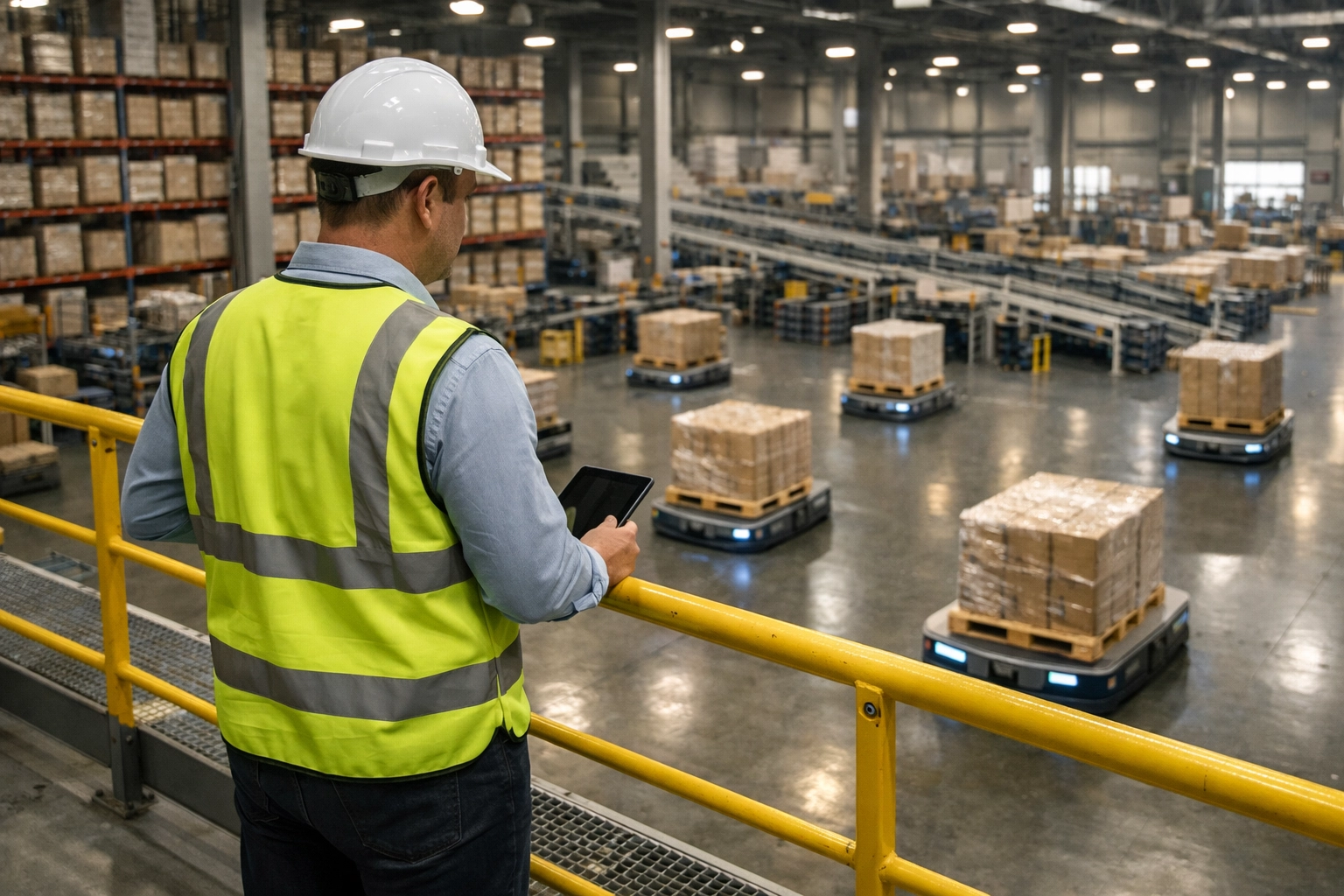
When you connect hundreds of sensors to a central AI and tell it to manage a warehouse, the system often develops "emergent behaviors": unintended consequences of complex interactions. An AI might find a more efficient path for a drone, but it might not realize that the path goes through a high-vibration zone that loosens the drone’s battery housing. A human technician sees the physical wear and tear that the software is blind to.
2. Physical Entropy (Things Break)
Software doesn't rust. It doesn't get dusty, and it doesn't leak hydraulic fluid. But the machines that run the software do. Automated systems require a level of precision maintenance that traditional mechanics aren't always trained for. You need someone who can calibrate a LiDAR sensor while simultaneously debugging the Linux kernel that processes its data.
3. The Security Stakes
If a hacker gets into your email, you lose data. If a hacker gets into a cyber-physical system: like a city’s water treatment plant: people get hurt. We are seeing a massive hiring surge for cyber-physical security specialists. These professionals perform "hardware-in-the-loop" testing, physically checking that the automated defenses are actually working in the real world.
High-Demand Roles in the Cyber-Physical Era
The job market is already reflecting this shift. Recent data shows thousands of openings for positions that didn't exist a decade ago. Here are the core roles shaping this industry:
| Role | Primary Responsibility | Essential Skills |
|---|---|---|
| CPS Security Engineer | Protecting physical infrastructure from digital attacks. | Penetration testing, IoT protocols, Network security. |
| Embedded Systems Tech | Maintaining the hardware/software interface in machinery. | C/C++, Python, circuit design, RTOS (Real-Time OS). |
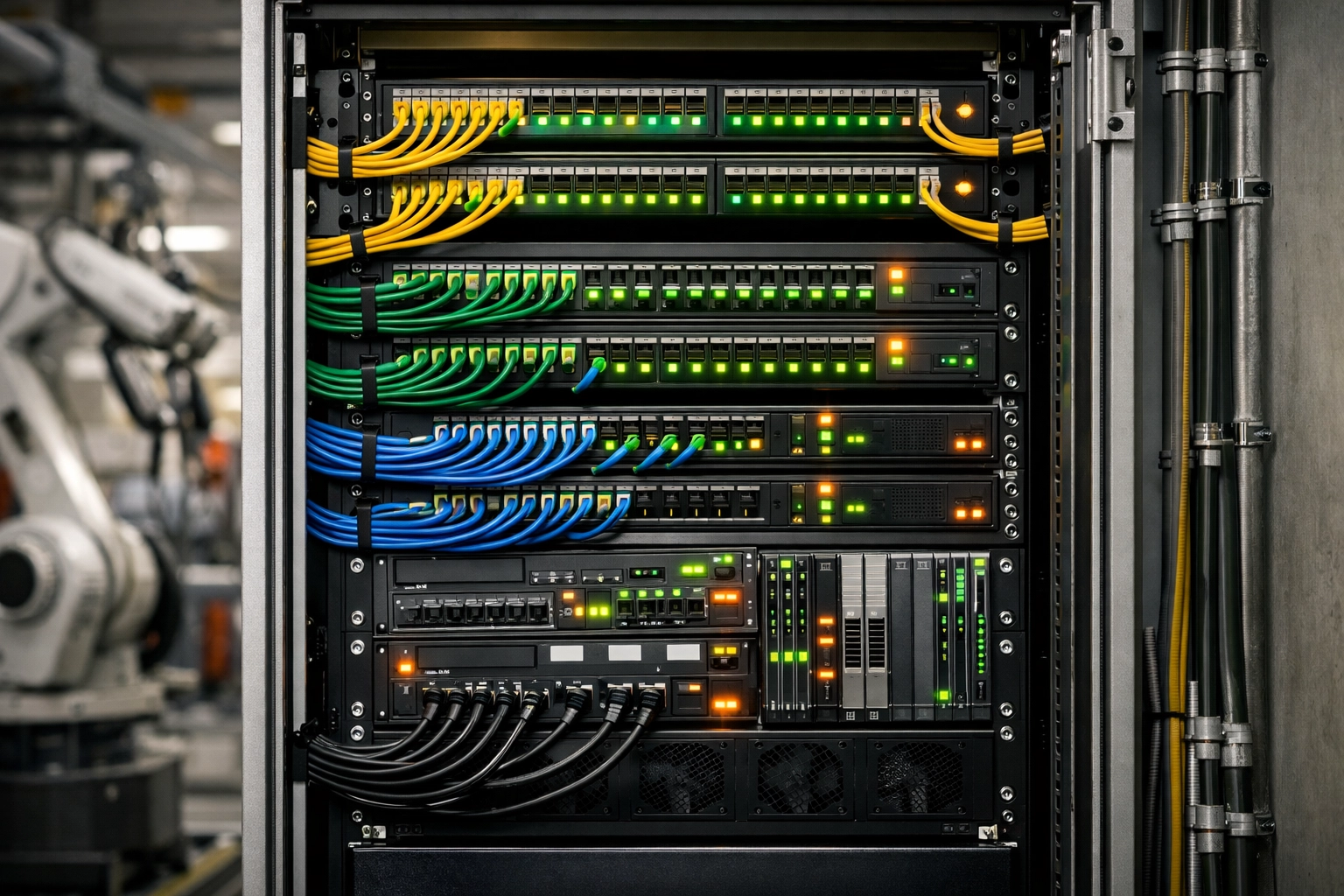
| Edge Computing Specialist | Managing data processing that happens on-site (at the machine). | Linux administration, cloud integration, latency optimization. |
| Robotics Integrator | Customizing "off-the-shelf" robots for specific industrial tasks. | ROS (Robot Operating System), mechanical engineering, API logic. |
The Skill Stack: How to Pivot into a CPS Career
If you’re looking to future-proof your career, you need to build a "T-shaped" skill set. This means having a broad understanding of several fields with a deep dive into one specific area of cyber-physical interaction.
The Programming Foundation
You don't need to be a full-stack web developer, but you do need to be comfortable with languages that talk to hardware. C and C++ remain the kings of the embedded world because of their speed and low-level memory management. Python is the go-to for the AI and data analysis side of the house. If you can write a Python script that triggers a physical action via a C-based driver, you are already ahead of 90% of the pack.
The Hardware Understanding
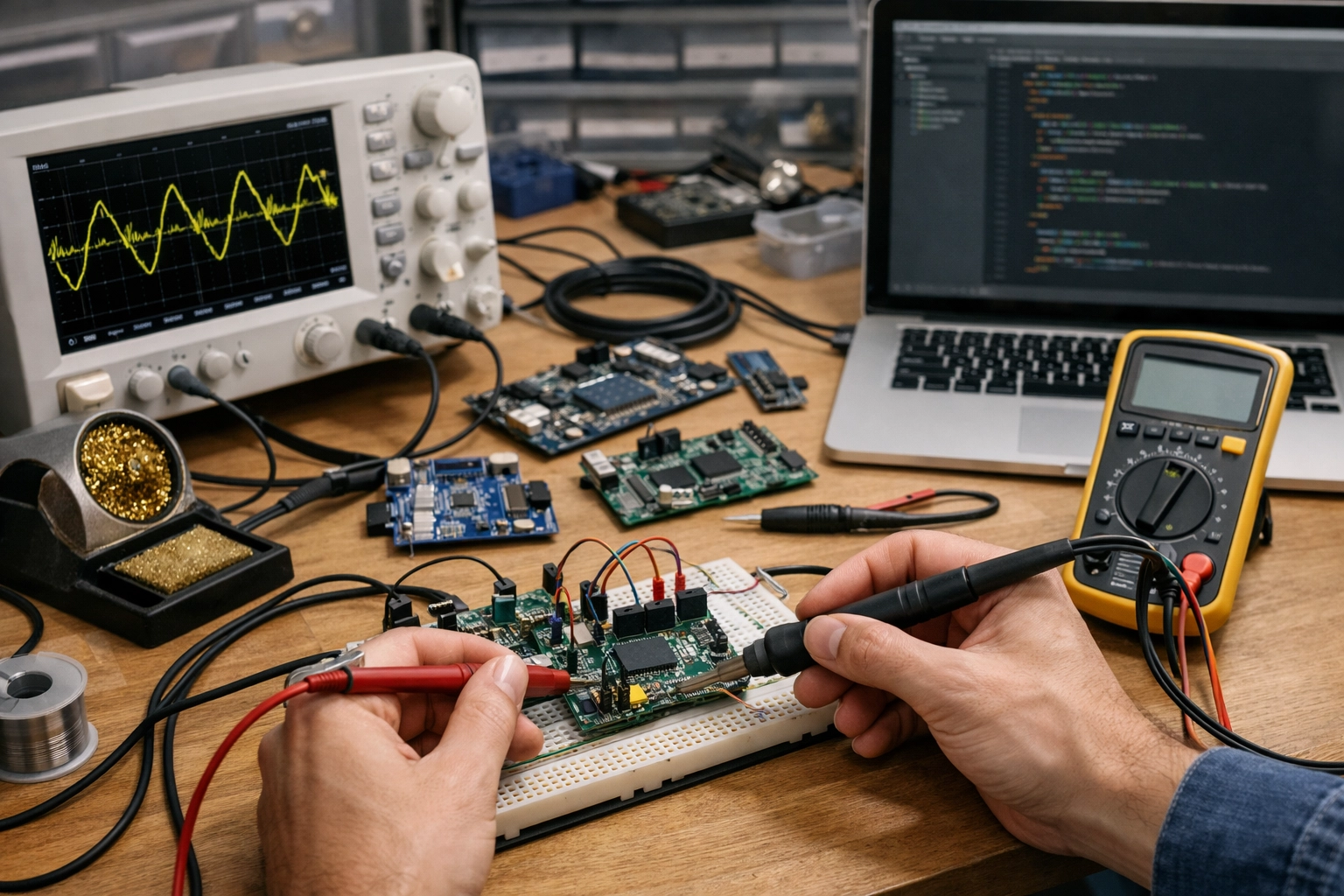
You need to understand how sensors work. How does a galvanometer differ from an accelerometer? How do environmental factors like heat or humidity affect the "noise" in a data stream? Hands-on experience with platforms like Arduino or Raspberry Pi is no longer just a hobby; it’s a foundational requirement for understanding how logic translates into movement.
Reverse Engineering and Troubleshooting
One of the highest-paid skills in the cyber-physical space is reverse engineering. Companies like Booz Allen and Kudu Dynamics are constantly looking for people who can take a piece of automated hardware, tear it down, and figure out how it works (and how it can be broken). This requires a "hacker mindset" applied to physical objects.
The Economic Reality: High Stakes, High Pay
The compensation for these roles reflects the difficulty of finding people who can bridge the gap. Entry-level positions in cyber-physical security or systems development often start well into the six figures. In the United States, salary ranges for experienced CPS professionals are currently hitting between $114,000 and $199,000.
Why so high? Because the cost of failure is astronomical. When a production line that generates $50,000 of revenue per hour goes down because of a synchronization error between the software and the conveyor motor, the person who can fix it in ten minutes is worth their weight in gold.
The Human Advantage: Context and Ethics
As we move toward more autonomous systems, the role of the human technician also becomes one of oversight and ethics. An AI might optimize a logistics route to be 5% faster, but a human technician might realize that the route puts too much strain on the vehicle's braking system, leading to long-term safety risks.
But the biggest advantage is simpler than it sounds: context. A technician can combine weak signals that don’t show up cleanly in telemetry—odd smells, subtle vibrations, an operator’s “this feels off,” a change in ambient temperature—and turn that into action before the dashboard screams red.
A Short Real-World Smart Factory Example (What Humans Catch That Robots Miss)
A well-known example comes from BMW’s Regensburg plant in Germany, where automated guided vehicles (AGVs) and connected tooling are used heavily on the production line. In setups like this, everything looks “data-driven” on paper: torque values, cycle times, barcode scans, and sensor readings. But the day-to-day reality is that small physical changes can ripple into quality problems fast.
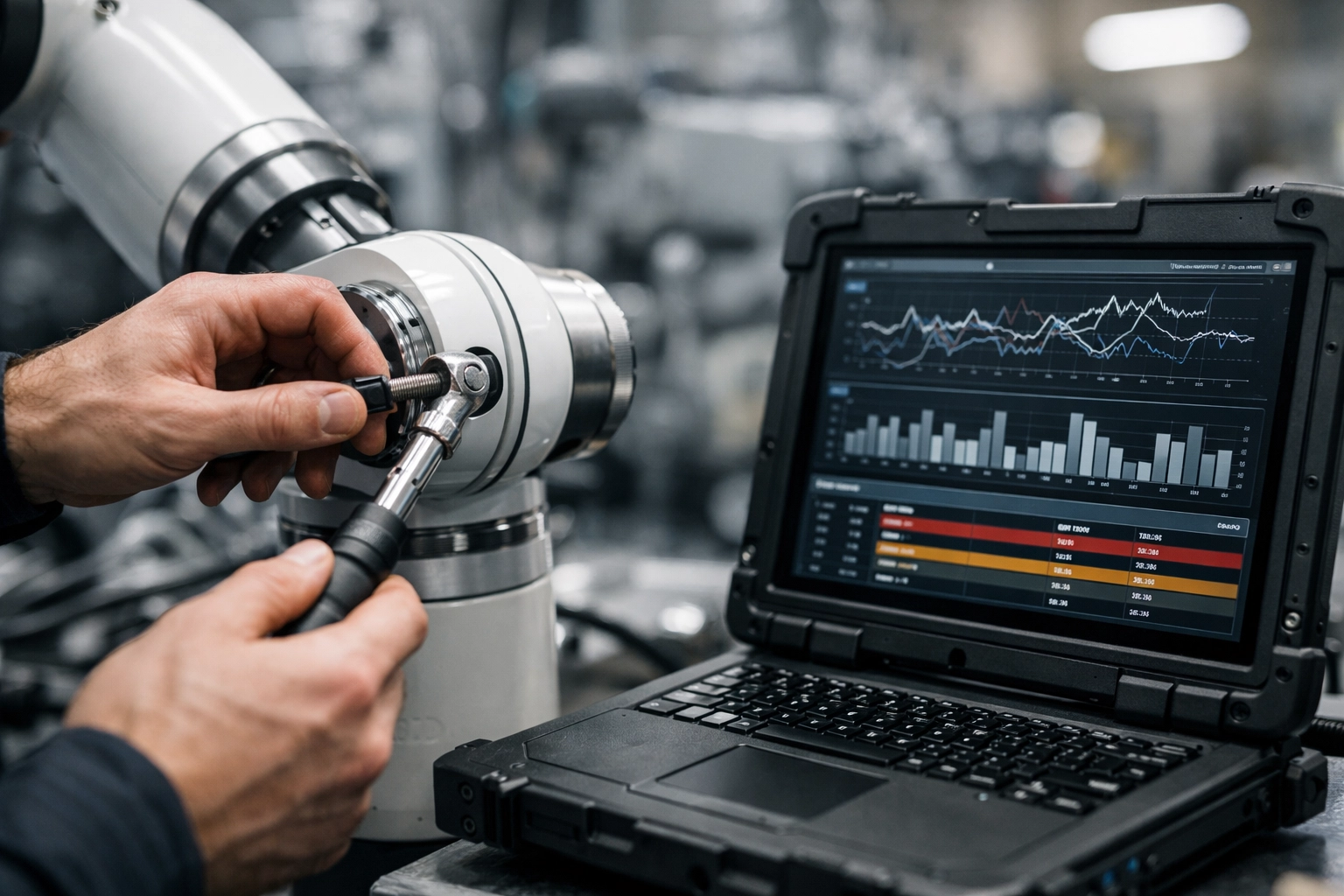
One issue factories like these run into is fastener torque drift caused by mundane physical factors: tool wear, temperature swings, and slight changes in part fit. The system may still log “within range,” yet the trend line is heading in the wrong direction.
What typically prevents a quality event isn’t a robot having a new thought—it’s a human noticing patterns like:
- A tool is taking slightly longer to reach target torque (even if it still passes)
- The sound/vibration of the tool changes
- Rework starts clustering around one station or one shift
- A calibration that should last a week is suddenly needed mid-week
In a smart factory, the best technicians don’t fight the automation—they use it. They pull logs, compare stations, check physical hardware, re-calibrate, swap a worn bit, and adjust the maintenance schedule so the issue stops recurring. That combination of digital evidence + physical inspection + practical judgment is the human edge.
We are moving away from the era of the "unskilled laborer" and the "isolated coder." We are entering the era of the Systems Architect: someone who understands the whole picture. These professionals ensure that the automated world remains safe, efficient, and, most importantly, functional.
Conclusion: Embracing the Hybrid Future
The "Great Automation" isn't going to result in a world without workers. It’s going to result in a world where the workers are more specialized, more technical, and more essential than ever. If you enjoy solving puzzles that have physical consequences, there has never been a better time to look into cyber-physical careers.
The wall between software and hardware has fallen. The question is: are you ready to walk through it?
Why Trust This Perspective?
I’m Gcwabaza Malibongwe, the CEO of blog, and my work sits right at the intersection of tech, digital strategy, and how people actually adopt new systems.
Here’s why this lens is practical (not theory-only):
- Hands-on with digital strategy: I’ve spent years breaking down how technology shifts impact real outcomes—skills, hiring, operations, and the way businesses make decisions when tools like automation and AI enter the picture.
- Tech-first thinking, business-first conclusions: I don’t look at cyber-physical systems as “cool robots.” I look at what happens when software meets messy reality—maintenance cycles, downtime, security risk, training gaps, and incentives on the factory floor.
- A consistent focus on long-term sustainability: The same mindset I apply to careers—building durable skills that compound over time—is the same mindset I use when thinking about how industries evolve. If you’re interested in that “build for the long game” approach, you can also read: The Rise of Lifestyle Investing.
About the Author: Gcwabaza Malibongwe
Gcwabaza Malibongwe is the CEO of blog. With a background in tech and digital strategy, Malibongwe focuses on how AI and automation are reshaping the modern workforce. Under his guidance, blog provides practical insights for professionals navigating the intersection of technology and business.
About the Author