
By March 2026, the global real estate narrative has shifted from the "panic-buying" of the early 2020s to a calculated, data-driven environment. For decades, the mantra was simple: "Buy as much house as you can afford, as soon as you can." But as we navigate a mid-2020s economy defined by 6.1% mortgage rates, stabilizing supply, and the rise of high-yield alternative assets, the math behind home ownership has changed.
Is your home still your best investment? The answer in 2026 isn't a simple "yes" or "no": it’s a "how long are you staying?" and "what are you giving up?"
The 2026 Macro Landscape: A "Boring" Market is a Good Market
After years of erratic swings, 2026 has brought a sense of equilibrium to the housing market. Forecasts indicate a modest 1.2% rise in home values this year. While that might sound underwhelming to those used to the double-digit spikes of 2021, it’s actually a sign of a healthy, sustainable market.
For the first time since 2020, monthly mortgage payments are actually trending downward. With wage growth finally outpacing home price appreciation, the "affordability gap" is narrowing. Zillow projects roughly 4.26 million existing home sales this year: a 4.3% increase over 2025.
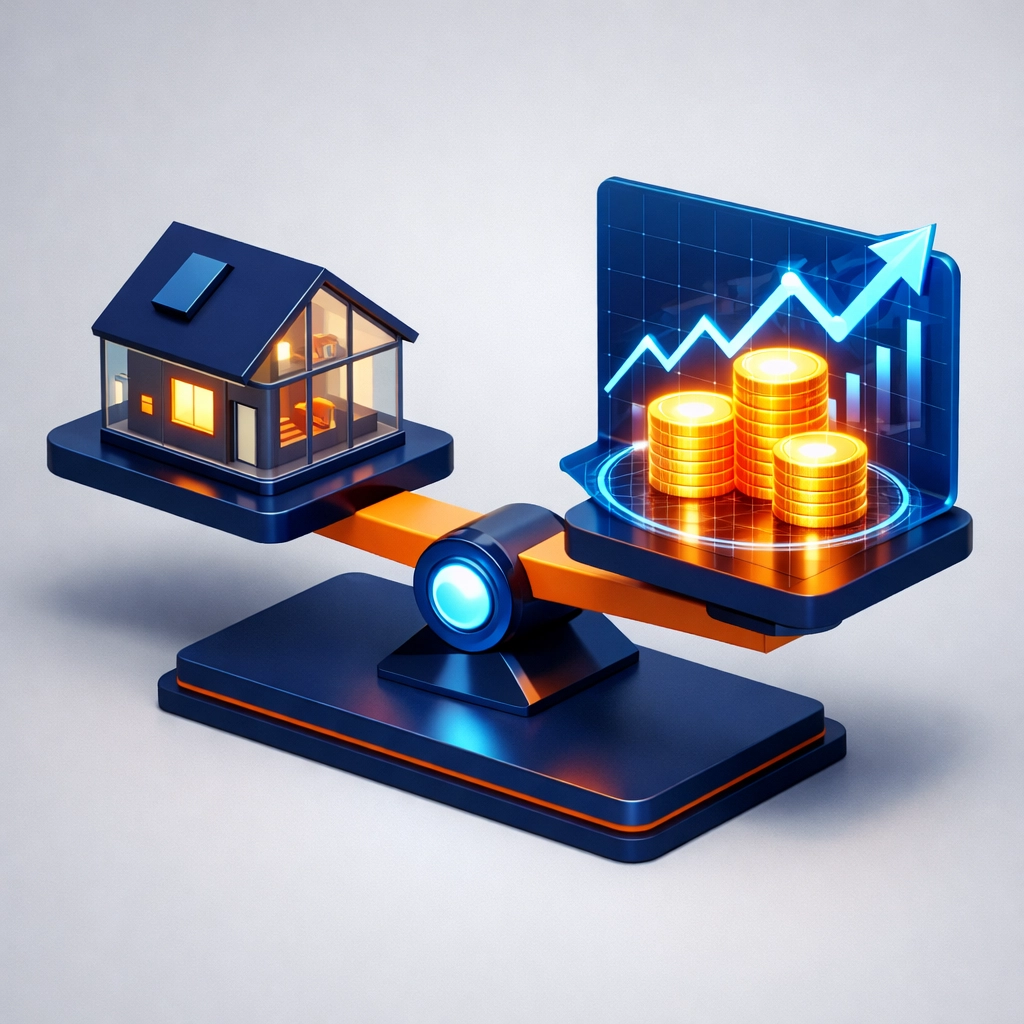
However, "healthy" for the economy doesn't always mean "optimal" for your portfolio. When home prices grow at 2-3% annually, they are essentially just keeping pace with inflation. To see if it's an investment, we have to look deeper at the opportunity costs.

The Opportunity Cost: Real Estate vs. The S&P 500
To determine if a home is a good investment, you have to compare it to what else you could do with that down payment. Let’s look at the "2026 Opportunity Cost Matrix."
If you take $100,000 and put it into a primary residence, that money is "locked." In 2026, with home appreciation hovering around 2.5%, your equity grows slowly. Meanwhile, the historical average for the S&P 500 remains significantly higher, even with market volatility.
The Technical Breakdown:
- Average Home Appreciation (2026 Forecast): 1.2% – 2.8%
- Average Stock Market Return (Long-term): 7% – 10%
- Mortgage Interest (Current): 6.1% – 6.2%
On paper, the stock market wins. But real estate has one "cheat code" that stocks don't: Leverage. When you buy a $500,000 home with $100,000 down, a 2% increase in the home's value is a 10% return on your actual investment (the down payment). This leverage is why home ownership remains a powerful wealth-building tool, provided the market doesn't go sideways.
The "Hidden" Frictional Costs of 2026
One of the biggest mistakes 2026 buyers make is ignoring the "friction." Buying and owning a home is expensive in ways that renting is not. In a world of rising insurance premiums and climate-risk adjustments, these costs are higher than ever.
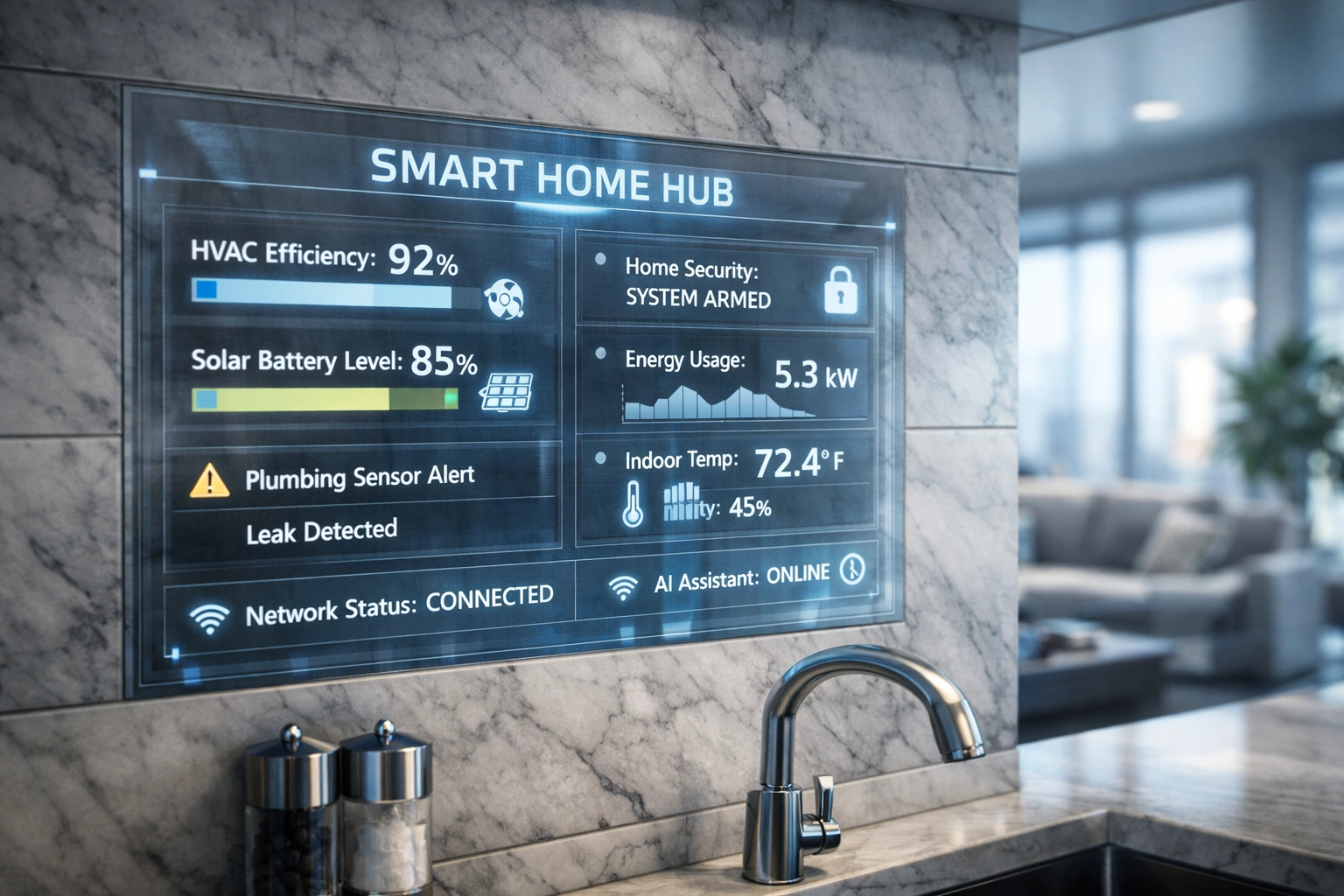
- The Insurance Spike: In 2026, homeowners insurance premiums have stabilized but remain 30% higher than 2020 levels. In "high-risk" zones, getting coverage at all has become a technical hurdle, requiring specific smart-home mitigations (like leak sensors and fire-resistant materials) to even qualify for a standard rate.
- Property Taxes: As municipalities catch up with the valuation spikes of previous years, property taxes have hit record highs in many suburban hubs.
- Maintenance (The 1% Rule): You should still budget 1% of the home's value annually for maintenance. In 2026, with the cost of skilled labor remaining high, a simple HVAC replacement can wipe out a year’s worth of equity gains.
- Closing Costs: Between realtor fees (which are seeing structural changes due to recent legal settlements), title insurance, and transfer taxes, you’re looking at losing 6-10% of the home's value just by clicking "buy" and "sell."
Why "Time Horizon" is the Only Metric That Matters
Because of those high frictional costs, the "break-even" point in 2026 has moved. In 2018, you could buy a house, live in it for two years, and sell it for a profit. In 2026, that is almost impossible.
The current "Price-to-Rent" ratio in most major metros suggests that unless you plan to stay in the home for at least 7 to 10 years, you are financially better off renting and investing your surplus cash into a diversified brokerage account.
If you sell in year three, the closing costs and interest you paid in the early "interest-heavy" years of your mortgage will almost certainly outweigh the 1.2% annual appreciation. Home ownership in 2026 is a marathon, not a sprint.
The Technical Advantage: The Mortgage Interest Deduction
For high-earning professionals, the investment value of a home is often tied to tax strategy. In 2026, the ability to deduct mortgage interest (on debt up to $750,000) remains a key driver for "buying" over "renting."
When you factor in the tax savings, a 6.1% mortgage might actually "cost" you closer to 4.5% in effective interest, depending on your tax bracket. This "tax subsidy" is one of the few ways the government still incentivizes the middle class to build wealth through illiquid assets.
The Rise of "Rentvesting" and Fractional Ownership
Since 62% of Americans still find buying a traditional home unrealistic in 2026, we’ve seen the rise of "Rentvesting." This is where you rent where you want to live (lifestyle choice) and buy an investment property where the math makes sense (financial choice).
Alternatively, fractional real estate platforms have matured. By 2026, you can buy "shares" of a rental property with as little as $500, gaining the benefits of real estate appreciation and rental income without the headache of being a landlord or the massive capital requirement of a down payment. For many, this is becoming the "New American Dream."
The Verdict: Is It Still the Best Investment?
In the 2026 perspective, a primary residence should be viewed as a forced savings account with lifestyle benefits, rather than a high-growth investment vehicle.
- Buy if: You have a 10-year horizon, want to lock in your housing costs against future inflation, and value the "utilitarian ROI" of painting your own walls and having a backyard.
- Rent and Invest if: Your career requires mobility, you are in a high-cost-of-entry market, or you prefer the liquidity and higher historical returns of the equity markets.
Real estate isn't dead: it’s just disciplined. The "easy money" has been made, and the winners in the 2026 market will be those who prioritize cash flow and long-term residency over speculative flipping.

About the Author: Malibongwe Gcwabaza
Malibongwe Gcwabaza is the CEO of blog and youtube, a leading digital platform dedicated to demystifying the intersection of technology, finance, and career strategy. With over a decade of experience in market analysis and a passion for "simple" explanations of complex economic trends, Malibongwe helps professionals navigate the shifting landscape of the 2026 economy. When he's not analyzing the housing market, he’s exploring the future of decentralized finance and AI-driven productivity.
About the Author