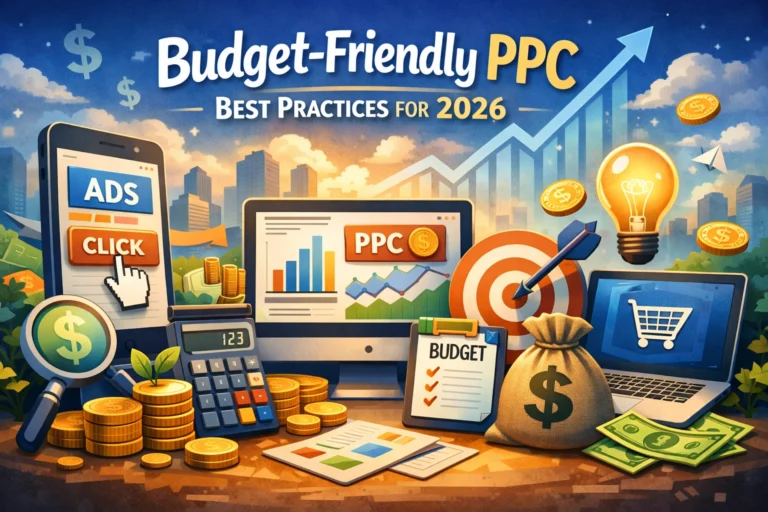
The world of Pay-Per-Click (PPC) advertising has fundamentally shifted. If you’re still approaching Google Ads or Meta Ads with a 2022 mindset, you’re essentially lighting your marketing budget on fire. In 2026, PPC isn’t just about buying keywords; it’s about feeding high-quality data into machine learning algorithms and staying ahead of privacy-first tracking.
Whether you’re a small business owner or a marketing newbie, this guide will break down exactly how to master PPC in the current landscape. We’re moving past the basics and diving into the strategies that actually move the needle this year.
What Does PPC Look Like in 2026?
A few years ago, PPC was manual. You’d spend hours obsessing over “Exact Match” keywords and manual bid adjustments. Today, the “Big Three”: Google, Meta, and TikTok: have shifted toward automation.
The biggest change is the integration of AI-driven search (like Google’s Search Generative Experience). Ads are no longer just blue links on a page; they are answers, suggestions, and visual placements integrated into AI conversations. To win, your ads need to be more than just “relevant”: they need to be helpful.
The New Fundamentals
- Intent Over Keywords: We’ve moved from “What did they type?” to “What do they actually want?”
- Creative as Targeting: In 2026, your ad’s visual and copy do more of the targeting work than your backend settings.
- Privacy-First Tracking: With the death of third-party cookies, first-party data (your own customer lists) is your most valuable asset.

1. Choosing Your Battlefield: Platform Selection
Not all platforms are created equal. Where you spend your first dollar depends entirely on your product and your audience’s behavior.
The 2026 Platform Breakdown
PPC Best Practices for 2026 Tip: Don’t try to be everywhere. If you’re a local plumber, 100% of your budget should be on Google Search and Local Services Ads. If you sell custom jewelry, Meta and TikTok are your bread and butter.
2. The Death of Manual Control: Bidding Strategies
In 2026, manual bidding is mostly a hobby for data scientists. For the rest of us, “Smart Bidding” is the only way to scale. However, the “set it and forget it” mentality is a trap. You need to choose the right type of automation.
Smart Bidding Options
- Target ROAS (Return on Ad Spend): Tell the AI, “I want $5 back for every $1 I spend.” Use this if you have a high volume of sales data.
- Maximize Conversions: Use this when you just want the most leads possible within a set budget. Great for new accounts.
- Target CPA (Cost Per Acquisition): Tell the AI, “I’m willing to pay $40 for a lead.” This is perfect for service-based businesses with fixed margins.
The Expert Angle: The secret sauce in 2026 is Value-Based Bidding. Instead of telling Google that every lead is worth the same, you upload data that shows which leads actually turned into high-paying customers. This teaches the AI to go after the “whales” rather than the “minnows.”
3. Creative Excellence: The New “Secret” Targeting
In the past, we used “interests” and “demographics” to find our audience. Now, algorithms are so smart they analyze who interacts with your ad and find more people like them. This means your creative (images, videos, copy) is actually your most powerful targeting tool.
Creative Best Practices
- UGC-Style is King: User-Generated Content (or stuff that looks like it) consistently outperforms polished, high-budget commercials on social platforms.
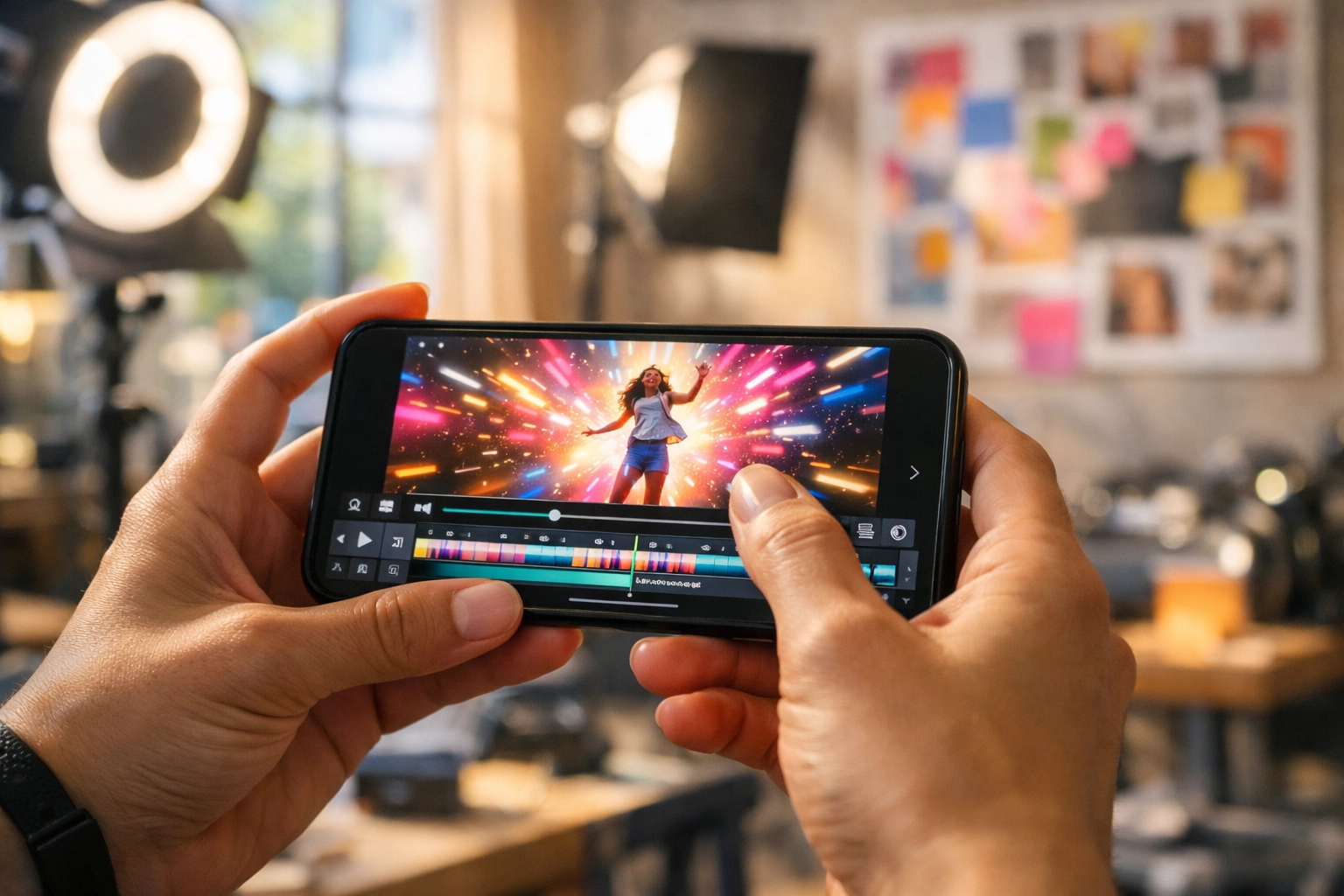
- The 3-Second Rule: On TikTok and Reels, if you haven’t grabbed attention in 3 seconds, you’ve lost the click.
- Dynamic Creative: Use platforms’ tools to upload 10 different headlines and 5 different videos. Let the AI mix and match them to see what works.
4. Keyword Strategy: Embracing “Broad Match”
If you’re an old-school PPC manager, “Broad Match” keywords used to be the fastest way to go broke. In 2026, the combination of Broad Match + Smart Bidding is actually the gold standard.
Why? Because Google’s AI now understands context. If you bid on “running shoes,” the AI knows not to show your ad to someone searching for “horse shoes,” but it will show it to someone searching for “best sneakers for a marathon” even if the word “running” isn’t there.
How to do it right:
- Aggressive Negative Keywords: While you let the match types be broad, you must be aggressive about what you don’t want. If you only sell premium products, add “cheap,” “free,” and “discount” to your negative keyword list immediately.
- Focus on Themes: Group your keywords into tight “Ad Groups” based on a single theme (e.g., “Men’s Waterproof Boots” vs. “Men’s Leather Boots”).
5. Landing Pages: The Conversion Catalyst
You can have the best ads in the world, but if your landing page sucks, you’re just donating money to tech giants. In 2026, speed and mobile-first design are non-negotiable.
Landing Page Checklist
- Message Match: Does the headline on the page match the headline on the ad? If the ad promises “50% off” and the page says “Sign up for a newsletter,” people will bounce.
- The “Grunt Test”: Within 5 seconds of landing, can a caveman understand what you offer, how it makes his life better, and where he needs to click?
- Server-Side Tracking: Since browsers are blocking traditional cookies, ensure your landing page uses “Conversion API” (CAPI) or server-side GTM. This ensures your data gets back to the ad platform so the AI can learn.

6. The 2026 PPC Campaign Checklist
Before you hit “Launch,” run through this technical checklist to ensure your account is optimized for today’s standards.
- Enhanced Conversions: Enabled in Google Ads to capture hashed first-party data.
- Google Analytics 4 (GA4) Integration: Ensure your audiences are syncing correctly.
- Video Assets: Even if you’re running “Search” ads, having video assets allows you to show up in “Performance Max” placements like YouTube and Discovery.
- First-Party Data Uploads: Upload your existing customer email lists as “Seed Audiences” to help the AI find “Lookalikes.”
7. Measuring Success: Moving Beyond the Click
Click-through rate (CTR) is a vanity metric. Cost-per-click (CPC) is just a line item. In 2026, the only metrics that matter are:
- ROAS (Return on Ad Spend): Did we make more than we spent?
- MER (Marketing Efficiency Ratio): Total Revenue / Total Ad Spend. This looks at the big picture of how ads are affecting your entire business.
- LTV (Lifetime Value): How much is that customer worth over 12 months? PPC might be “expensive” for the first sale, but it’s “cheap” if that customer buys from you ten times.
Common Mistakes to Avoid
- The “Budget Choke”: Setting a budget so low that the AI never finishes its “Learning Phase.” You need at least 30-50 conversions per month for the algorithms to actually work.
- Ignoring Search Terms: Even with AI, you should check your search term report weekly. AI is smart, but it still makes mistakes.
- Creative Fatigue: Running the same ad for six months. In 2026, audiences “blind” your ads much faster. Refresh your visuals every 4-6 weeks.
Final Thoughts
PPC in 2026 is a partnership between human strategy and machine execution. Your job isn’t to pull every lever; your job is to point the machine in the right direction, provide it with world-class creative, and feed it clean data.
If you can master the balance of high-level strategy and technical data hygiene, you’ll out-compete 90% of the advertisers who are still trying to play by the rules of 2020.
About the Author: Malibongwe Gcwabaza
Malibongwe Gcwabaza is the CEO of blog and youtube, a digital strategy hub dedicated to simplifying the complex world of online marketing. With over a decade of experience navigating the shifts in search and social algorithms, Malibongwe focuses on helping small businesses leverage AI-driven advertising to achieve sustainable growth. When he’s not diving into data sets, he’s exploring the future of content on YouTube and helping creators turn their passion into a scalable business.
About the Author