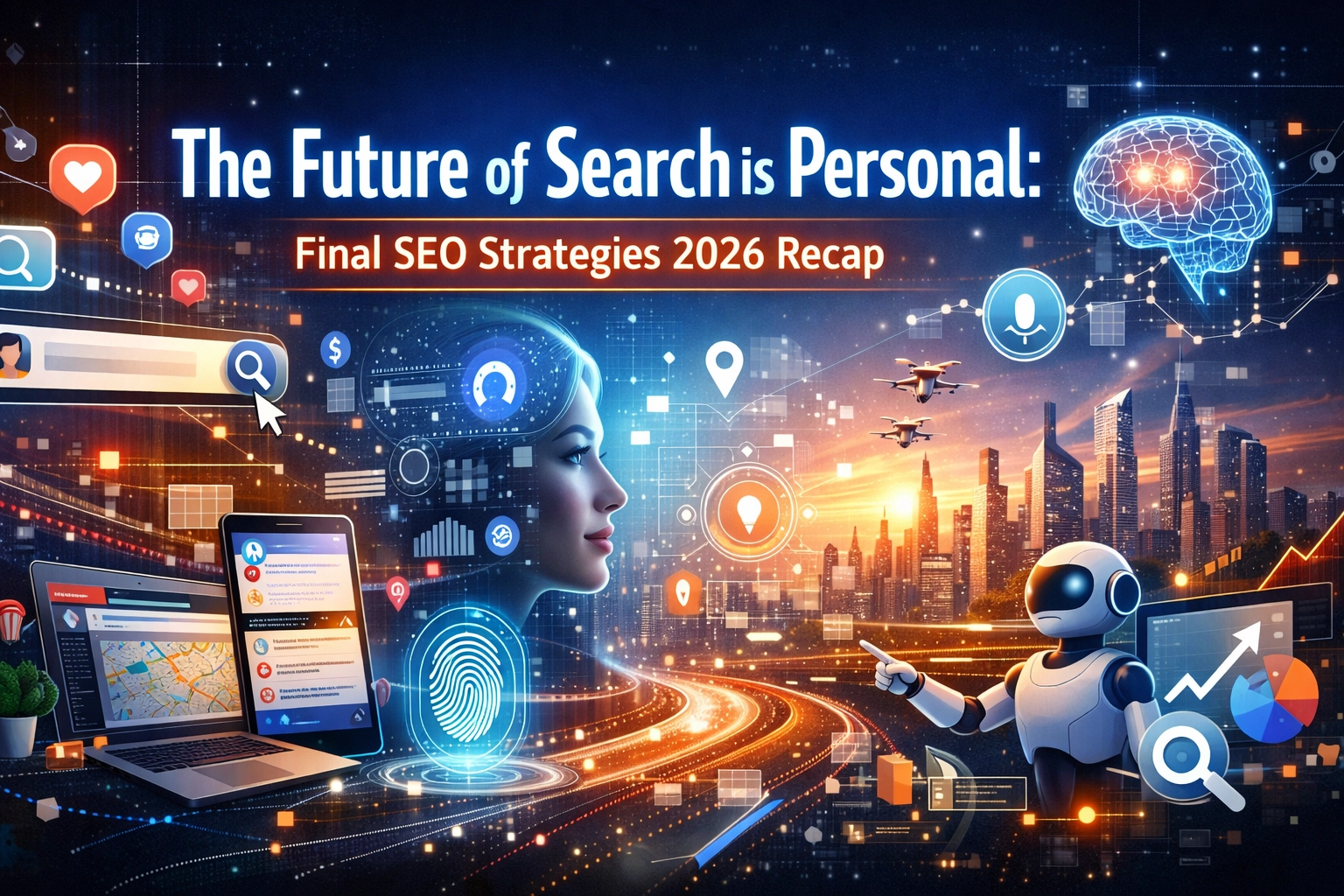
It’s March 2026, and the SEO landscape looks nothing like it did two years ago. If you’re still trying to "rank #1" for a single keyword on a static list of ten blue links, you’re playing a game that’s already ended. Search has moved beyond the search bar. It’s moved into our AI assistants, our social feeds, and even our glasses.
The biggest shift we’ve seen this year is that search is now deeply personal. AI doesn't just look for the best answer; it looks for the best answer for you. In this final 2026 recap, we’re breaking down the core SEO strategies that actually move the needle in an era dominated by AI-driven personalization and intent-based discovery.
The Death of the Generic Search Result
In 2024 and 2025, we talked about "SGE" (Search Generative Experience) as a new feature. In 2026, AI is the search engine. Whether it’s Google Gemini, Bing Copilot, or specialized LLMs, the goal is no longer to provide a list of options but to provide a definitive solution.
This has led to a massive increase in "zero-click" searches. If a user asks, "How do I fix a leaky faucet?" the AI provides the steps, the tool list, and a video snippet right there. You don’t get the click unless you provide something the AI can’t summarize: unique perspective, proprietary data, or deep human experience.
Personalization is the New Algorithm
Search engines now leverage your entire digital footprint to curate results. Your location, past purchases, favorite creators, and even your "vibe" (determined by the content you consume on platforms like TikTok and Reddit) dictate what you see.
For SEOs, this means the "national average" of ranking doesn't exist anymore. Your strategy must focus on becoming the "Topical Authority" for specific niches so that when a user’s intent aligns with your expertise, the AI has no choice but to cite you.

E-E-A-T 2.0: Why "Experience" Wins in 2026
Google’s E-E-A-T (Experience, Expertise, Authoritativeness, and Trustworthiness) isn't just a guideline anymore: it’s the backbone of the ranking system. But in 2026, we’ve seen a pivot toward "E-E-A-T 2.0," where Experience is the most weighted factor.
Why? Because AI can fake "Expertise." An AI can summarize every medical journal on the planet, but it can’t tell you what it felt like to recover from a specific surgery or how a specific software tool performed during a high-stress product launch.
How to Optimize for Experience
- First-Person Narratives: Use "I" and "We." Describe the process, the failures, and the specific results.
- Original Imagery and Video: Stock photos are a signal of low-quality content. Use real photos of your team, your products, and your results.
- Proof of Testing: If you’re reviewing a product, show the data. If you’re teaching a skill, show the "before and after."
| Factor | 2023 Approach | 2026 Approach |
|---|---|---|
| Content Origin | Keyword-focused articles | Experience-led deep dives |
| Trust Signal | Backlinks from high DA sites | Branded search and citations in AI responses |
| Format | Text-heavy blogs | Multimodal (Video, Audio, Interactive) |
| Goal | Traffic volume | High-intent conversions |
Building Topical Authority via Semantic Clusters
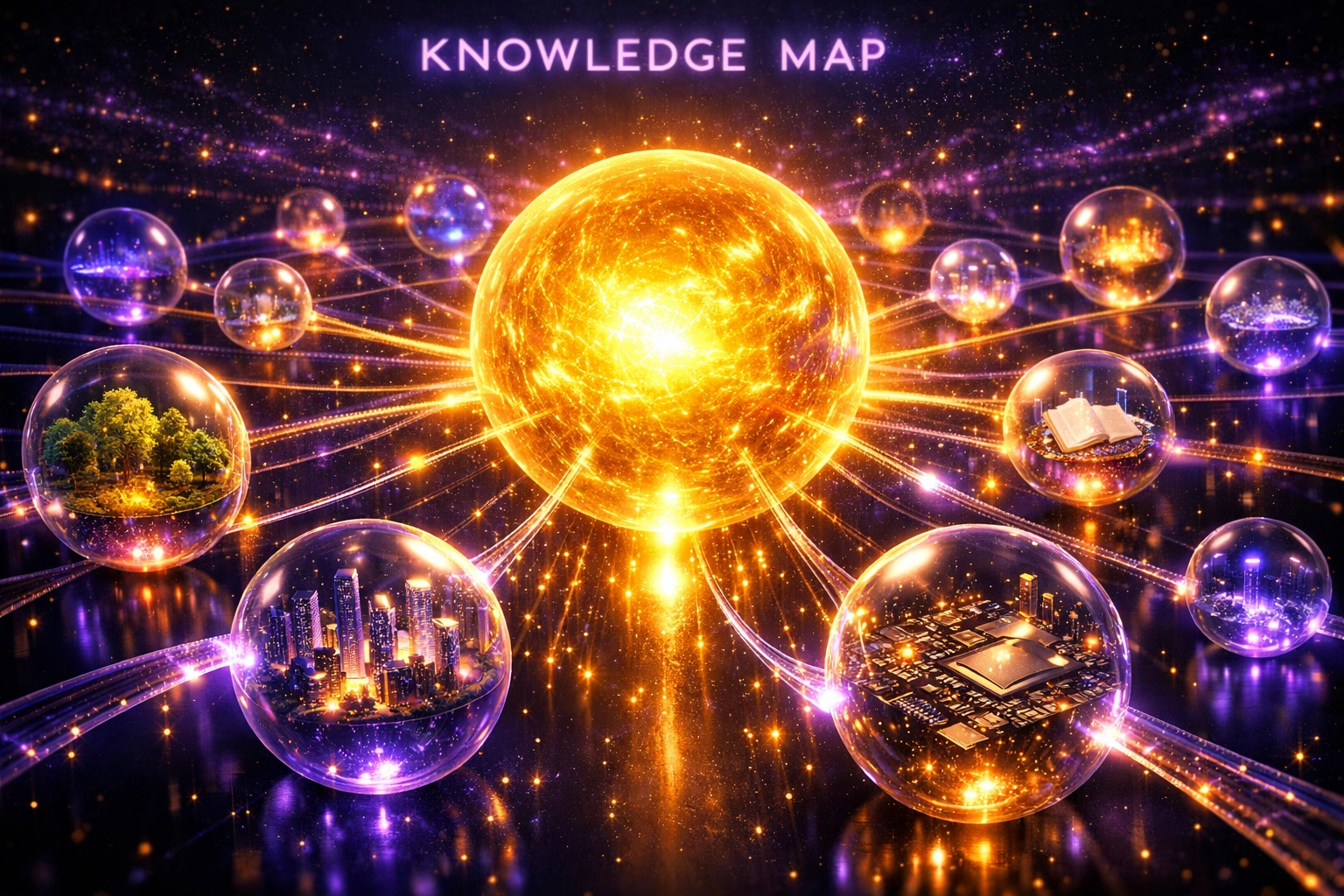
One of the most effective SEO strategies in 2026 is moving away from individual keyword targeting and toward Topic Clusters. The goal is to prove to the AI that you are the definitive source for a specific subject.
Instead of writing ten separate articles about "SEO tips," you build a semantic network:
- Pillar Page: A comprehensive guide to "The State of Digital Marketing in 2026."
- Cluster Pages: Deep dives into sub-topics like "AI Search Optimization," "Voice Search for E-commerce," and "Entity-Based SEO."
- Internal Linking: A web of links that tells search engines exactly how these topics relate.
This approach addresses micro-intents. AI systems are now smart enough to understand the underlying behavior behind a search. If someone searches for "best running shoes," the AI knows if they are a beginner, a marathoner, or someone looking for a fashion statement based on their previous behavior. Your topic clusters need to cover all these micro-intents to stay relevant.
Branded Search: Your Shield Against AI Erasure
If you rely solely on generic traffic, you are at the mercy of AI updates. However, if people search for your brand by name (e.g., "LearnRise SEO strategy"), you are safe.
Branded search volume is the ultimate authority signal in 2026. When users specifically ask for you, it tells AI models that your brand is a trusted entity. This creates a "tide that lifts all boats": your generic keywords will rank higher because your brand is recognized as an authority.
Manufacturing Word-of-Mouth
To grow branded search, you need to be where your audience lives.
- Social Search: Optimize for TikTok and YouTube. Many users in 2026 start their search journey on social media before ever hitting a traditional search engine.
- Community Engagement: Be active on Reddit and niche forums. AI models like Perplexity and OpenAI's search frequently cite Reddit threads as a primary source of "human" opinion.
- Influencer Partnerships: Collaborating with creators who have "Experience" reinforces your brand's E-E-A-T.
Multimodal SEO: Beyond the Written Word
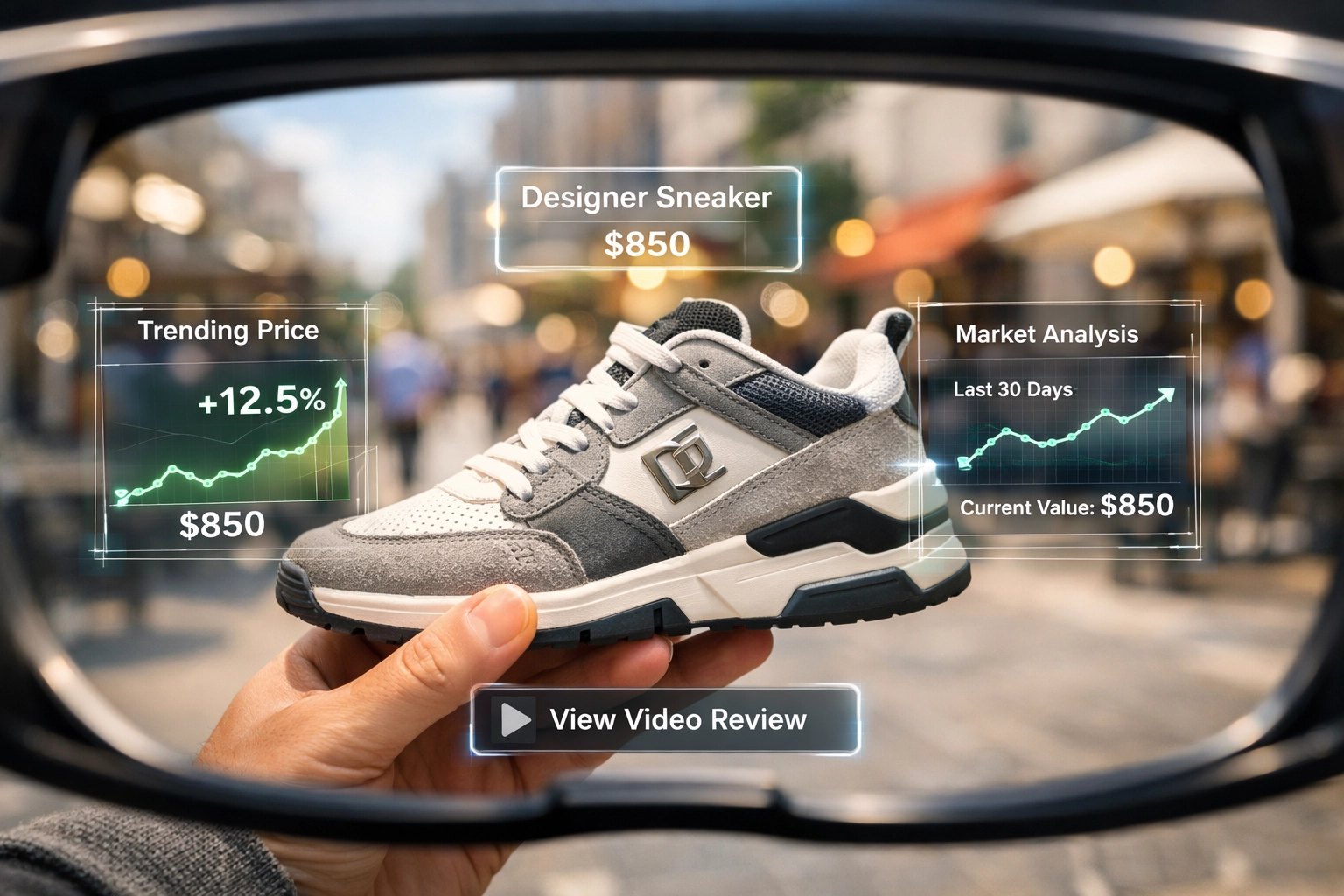
Search is no longer just text. It’s multimodal. Users are taking photos of objects to find out where to buy them (Visual Search), asking their cars for restaurant recommendations (Voice Search), and watching 15-second clips to learn complex tasks (Video Search).
To win in 2026, your content must be discoverable across all these formats.
- Video SEO: YouTube is the second largest search engine. If you aren't turning your blog posts into structured, data-rich videos, you're missing 50% of your potential reach.
- Schema Markup & Entity SEO: Use advanced schema (structured data) to help AI "read" your images and videos. This makes it easier for AI to extract your content and present it as a "Featured Snippet" or an AI answer citation.
Technical SEO in 2026: Speed and Structure
While AI and content are king, the "plumbing" of your site still matters. However, the focus has shifted.
- AI-Readability: Is your site structure easy for LLM crawlers to parse? High-quality headers (H1, H2, H3) and clean code are more important than ever.
- Mobile-First is Now Mobile-Only: If your site isn't flawless on a mobile device, it simply won't be indexed.
- Core Web Vitals: Speed is a baseline. If your page takes more than two seconds to load, the user has already pivoted to an AI assistant that gives them the answer instantly.
The 2026 SEO Checklist for Success
If you want to dominate the rankings this year, here is your roadmap:
- Audit for "Humanity": Go through your existing content. Is it generic? Add personal stories, real-world data, and original opinions.
- Build a Topic Map: Map out your niche. Identify the "Pillar" topics and create at least 5-10 "Cluster" articles for each.
- Optimize for AI Citations: Use structured data and clear, concise answers at the beginning of your articles to increase the chances of being cited by AI assistants.
- Invest in Video: Every high-performing blog post needs a video equivalent.
- Focus on Branded Growth: Run campaigns that encourage people to search for your brand specifically.

Final Thoughts: The Human Advantage
As we look toward the rest of 2026, it’s easy to get overwhelmed by the "AI-pocalypse." But the truth is simpler: AI has raised the floor, but it hasn't touched the ceiling. Anyone can generate a 1,000-word article with a prompt. Very few can provide a 1,500-word deep dive backed by five years of trial and error, unique data, and a personality that connects with readers.
The future of search is personal. If you focus on being the most helpful, most experienced, and most human voice in your niche, the algorithms will follow your lead.
About the Author: Malibongwe Gcwabaza
Malibongwe Gcwabaza is the CEO of blog and youtube, a leading digital agency specializing in cutting-edge SEO and content strategy for the AI era. With over a decade of experience in the tech and media space, Malibongwe focuses on helping brands build authentic authority and navigate the rapidly shifting landscape of search and discovery. When he's not refining SEO frameworks, he's exploring the intersection of AI and human creativity to find the next big shift in digital marketing.
About the Author