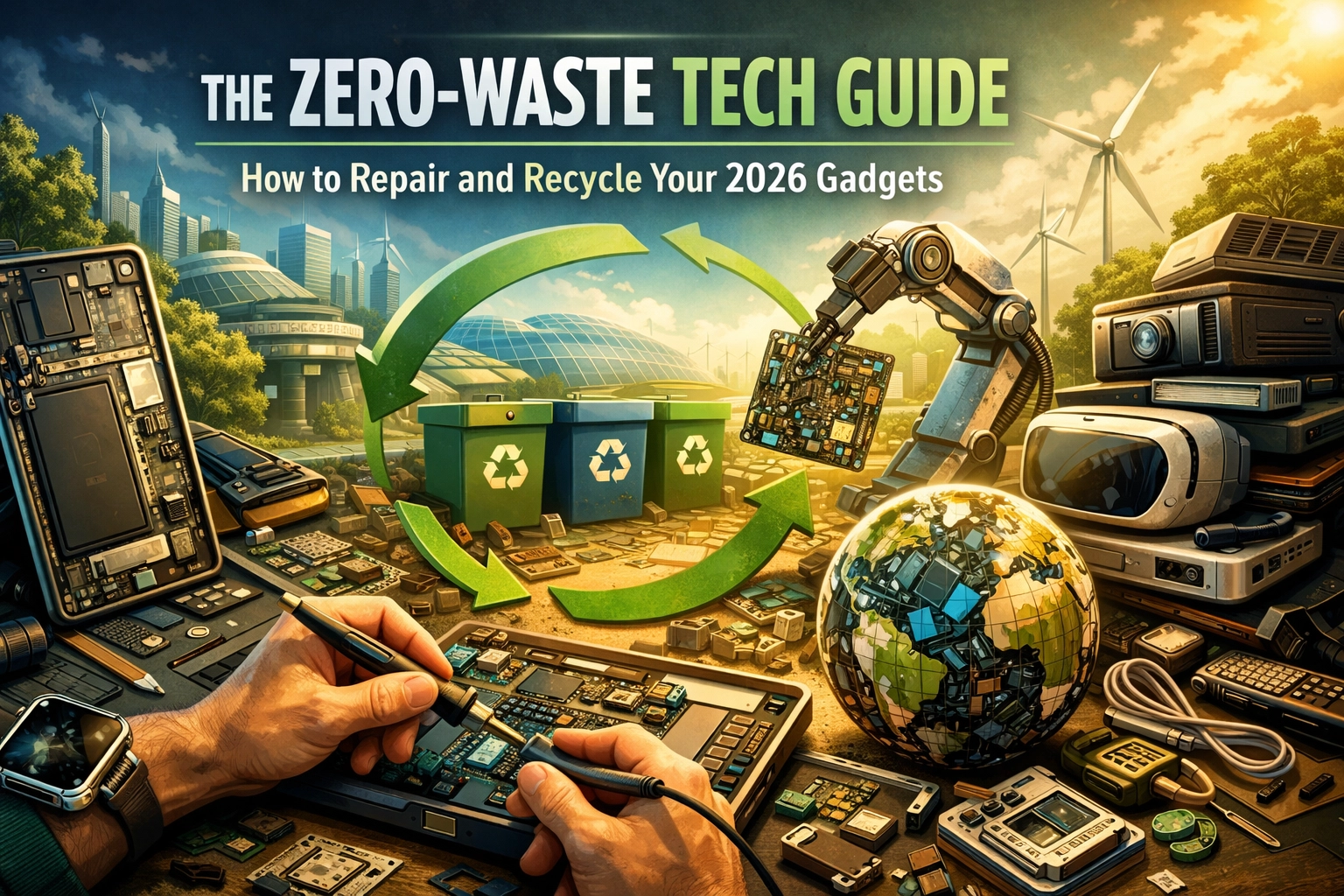
By March 2026, the global electronic waste crisis has reached a tipping point. We are currently generating over 65 million metric tons of e-waste annually. However, the narrative is shifting. We’ve moved past the era of "planned obsolescence" and into the age of the "circular tech economy." With the full enforcement of the Right to Repair Act (SB 244) and similar global mandates, the power has shifted back to the consumer.
Keeping a smartphone for five years instead of two isn't just a win for the planet; it’s a massive financial move. In 2026, the average household saves upwards of $400 annually by choosing precision repairs over hardware upgrades. This guide breaks down the technical ecosystem of modern repair and the high-tech recycling pipelines that ensure your dead gadgets don't end up in a landfill.
The Right to Repair: 2026 Legal Landscape
Two years ago, legislation like California’s SB 244 forced a massive pivot in how companies like Apple, Samsung, and Google design their hardware. As of 2026, any electronic device sold for over $50 must have available parts, specialized tools, and digital schematics for at least seven years after the last unit is manufactured.
This means you no longer need a "genius" to swap a battery or a proprietary laser to replace a cracked back glass. The democratization of repair data has led to the rise of specialized AI diagnostic tools that can scan your device via a secondary camera and pinpoint exact component failures in seconds.
The Shift to Modular Design
In the 2026 market, "modular" is no longer a niche buzzword for enthusiasts. Major manufacturers have adopted internal modularity to comply with ESG (Environmental, Social, and Governance) scores.
- Snap-fit connectors: Replacing fragile adhesive-heavy interiors.
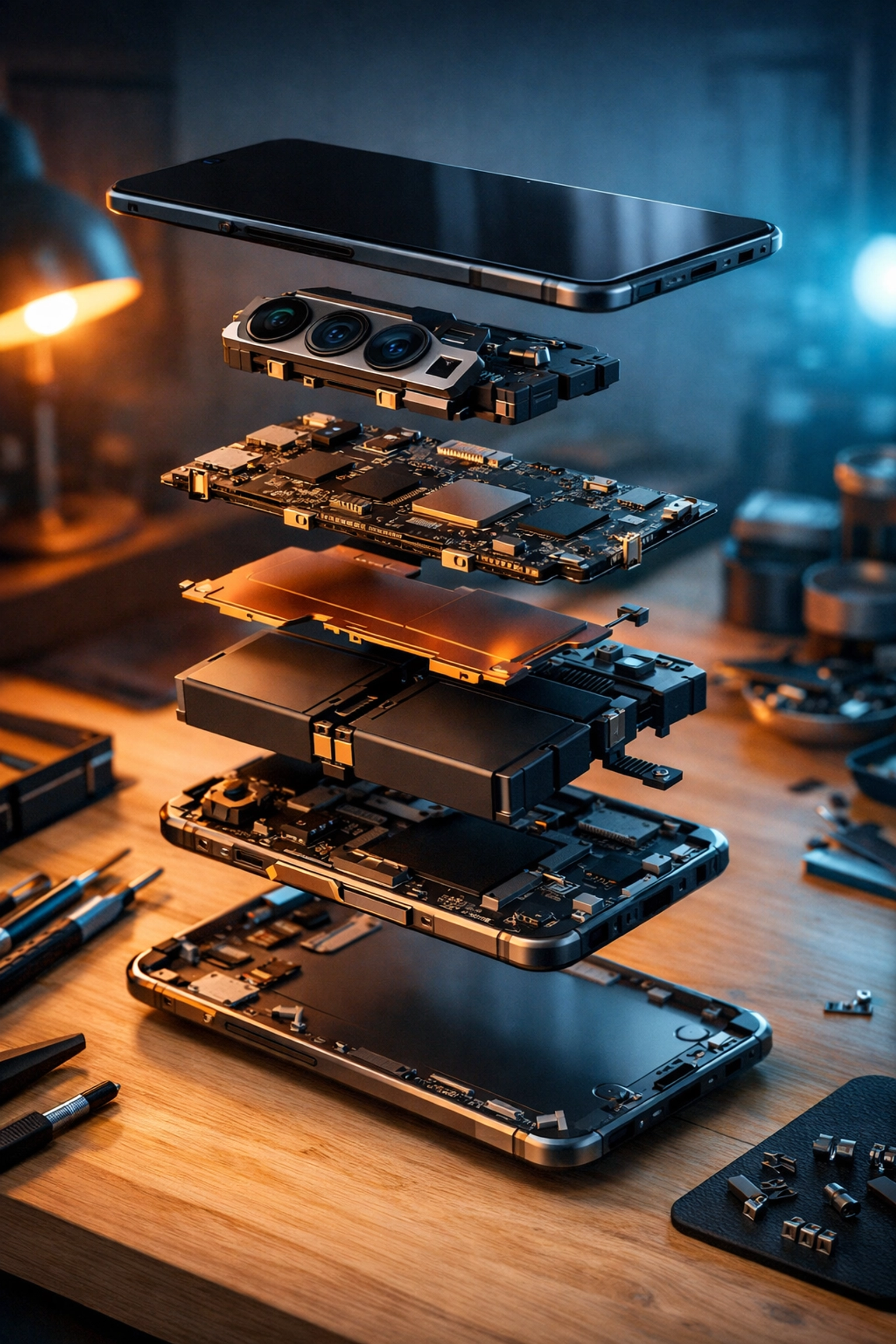
- QR-Coded Components: Every sub-assembly (camera module, haptic engine, charging port) has a unique ID linked to an official repair manual.
- User-Replaceable Batteries: Standardized by EU mandates, most 2026 handsets allow for battery swaps without heat guns or chemical solvents.
Technical DIY: Repairing Your 2026 Hardware
If you’re still using a device from 2023 or 2024, you’re likely dealing with adhesives and microscopic screws. However, for 2025 and 2026 models, the repair process has become significantly more "Lego-like."
1. AI-Assisted Diagnostics
Before you open the chassis, use an AI diagnostic suite (like the updated iFixit Smart-Scribe). These apps use the ultra-wideband (UWB) sensors in your phone to "listen" to hardware cycles or use computer vision to identify stress fractures in boards.
2. The 3D Printing Factor
In 2026, "authorized parts" often include digital files. If you lose a plastic bracket or a custom button, many brands now provide STL files for 3D printing. This eliminates the carbon footprint of shipping a 2-gram plastic part across the ocean. Local "Repair Cafés" equipped with industrial-grade resin printers have become the go-to hubs for these physical components.
3. Precision Soldering and Logic Board Recovery
Micro-soldering was once a dark art. Today, affordable digital microscopes with thermal imaging (costing under $150) allow home users to identify "shorted" capacitors. If your device won't boot, a thermal scan will often reveal a component glowing bright orange under power: that’s your culprit.
When Repair Fails: The 2026 Recycling Pipeline
Sometimes, the processor dies, or the screen substrate leaks: rendering repair more expensive than the device's residual value. This is where "Zero-Waste" recycling enters the frame.
AI-Powered Sorting Facilities
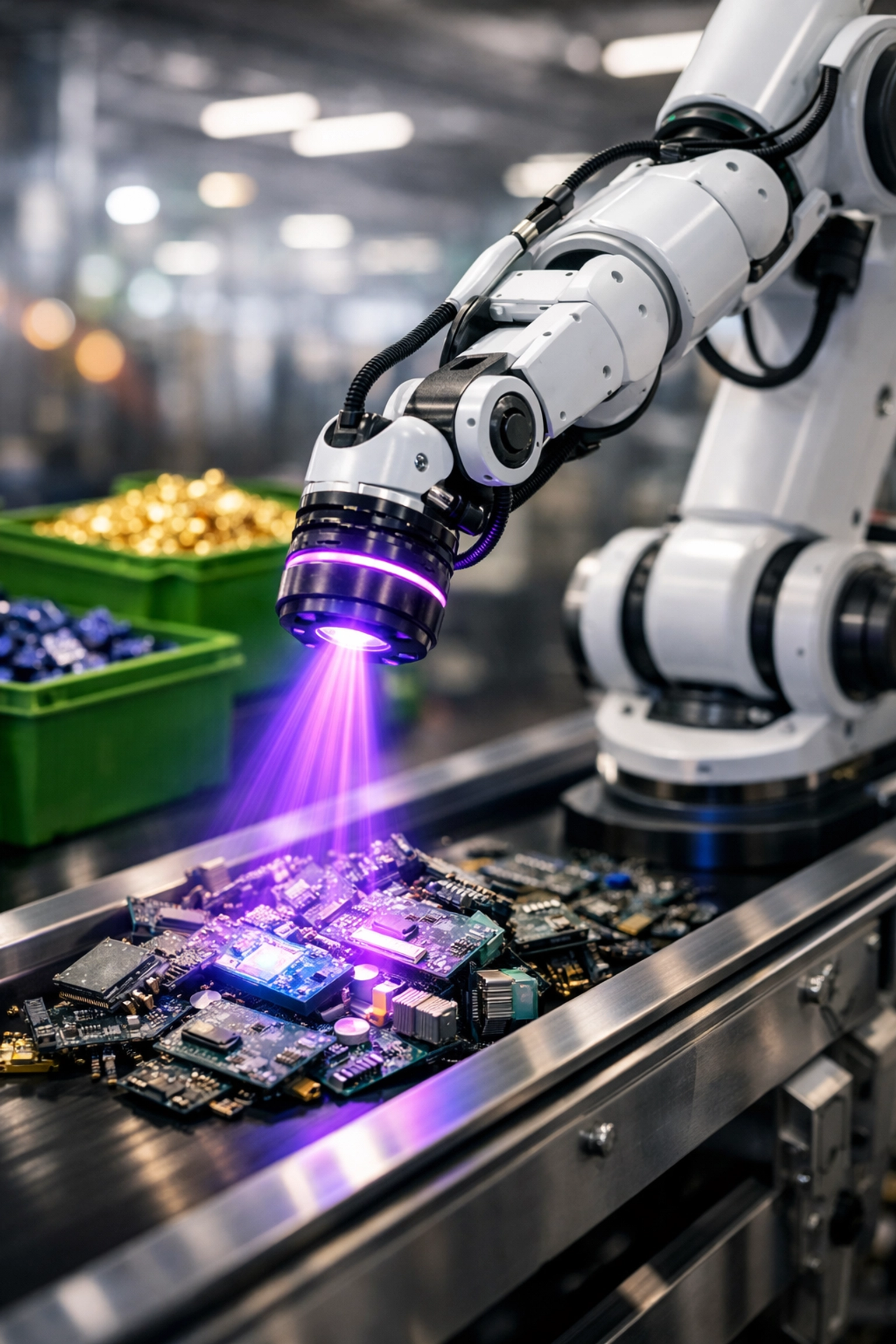
Modern e-waste facilities in 2026 utilize robotic arms equipped with hyperspectral imaging. Unlike human sorters, these robots can identify the exact chemical composition of plastics and the specific grade of lithium in a battery. This allows for a "closed-loop" system where the cobalt recovered from your old phone is pure enough to go directly back into the manufacturing line for the 2027 models.
Secure Data Destruction
One of the biggest barriers to recycling is the fear of data theft. In 2026, software-level "cryptographic erasure" is the standard. Most modern NVMe and UFS 4.0 storage modules support a command that instantly destroys the encryption keys, rendering all data on the chips complete "noise." For older devices, ensure you use a service that is NAID AAA certified. Physical shredding of the logic board is the only 100% guarantee for legacy hardware.
The Financial Logic: Why "Zero-Waste" is High-Yield
From a personal finance perspective, maintaining your tech is a high-yield strategy.
- Resale Value: A device with a documented repair history (using OEM parts) holds 30% more value on the secondary market.
- Subscription Bloat: By keeping older hardware functional, you avoid the "hardware-as-a-service" traps where you pay monthly fees for a device you never truly own.
- Tax Credits: Several regions have introduced "Repair Credits," allowing you to deduct the cost of professional electronics repair from your annual income tax.
| Component | Repair Cost (2026 Avg) | Replacement Cost | Potential Saving |
|---|---|---|---|
| Smartphone Screen | $85 | $900 | $815 |
| Laptop Battery | $60 | $1,200 | $1,140 |
| Tablet Charging Port | $45 | $500 | $455 |
Building Your Home "Repair Kit" for 2026
To embrace the zero-waste tech lifestyle, you need a basic bench setup. Forget the cheap screwdrivers that strip heads; invest in quality.
- Precision Driver Set: Look for S2 steel bits (Torx T1 through T6 are essential for modern gear).
- Electric Suction Tool: For safely lifting OLED panels without cracking the glass.
- ESD-Safe Workspace: A grounded silicone mat to prevent static discharge from frying your CPU.
- Isopropanol (99%): The universal solvent for cleaning flux and removing legacy adhesives.
The Ethics of the "Digital Twin"
In 2026, we also talk about "Digital Sovereignty." When you repair your own device, you maintain control over your "Digital Twin": the aggregate of your data, biometrics, and habits stored on the hardware. When you send a device to a generic "trade-in" program, you are essentially handing over a physical key to your life. Repairing in-house or through local, transparent shops keeps your data in your hands.
Final Thoughts: The Future is Fixable
The transition to zero-waste tech isn't just about being "green": it's about being smart. As hardware prices continue to climb due to rare-earth metal scarcity, the ability to maintain and revive your own gear is a critical survival skill for the late 2020s.
Next time your laptop fans start to whine or your phone battery dips below 80% health, don't look at a catalog for a replacement. Look for a screwdriver and a schematic. The most sustainable device is the one you already own.
About the Author: Malibongwe Gcwabaza
CEO of blog and youtube
Malibongwe Gcwabaza is a visionary leader and tech strategist focusing on the intersection of emerging technology and sustainable economics. With over a decade of experience in the digital media space, he advocates for consumer rights and the "Right to Repair" movement. Under his leadership, blog and youtube has grown into a primary resource for professionals navigating the complexities of the 2026 job market and the evolving tech landscape. When he isn't steering the company, Malibongwe can be found in his workshop, refurbishing vintage 2020s hardware and exploring the future of decentralized AI.
About the Author